The controversy surrounding Mii-chan and Yamada-san (Japanese Name: Mii-chan to Yamada-san) has taken another turn, as the Japan Autism Society has officially published an opinion statement expressing strong concerns about the upcoming anime adaptation.
The organization published the statement on September 9, 2026, following a similar opinion previously released by the National Association of Parents and Guardians of Persons with Intellectual Disabilities regarding the series.
However, the Japan Autism Society is not simply calling for the anime to be cancelled. Instead, its statement focuses on how the series portrays disability, poverty, and vulnerable people, as well as how those themes could affect people with disabilities and their families.
The organization specifically said that although the manga does not explicitly state that Mii-chan has a disability, her portrayal and statements from the author can lead readers to believe that she has intellectual or developmental disabilities.
This has become an important issue because the organization says the name “Mii-chan” is already being used in some real-world situations as a mocking or insulting term toward women with intellectual disabilities or developmental characteristics.
Japan Autism Society Says “Mii-chan” Is Already Being Used To Mock People
According to the opinion statement, the Japan Autism Society began paying attention to the online discussions surrounding the manga after receiving requests from people asking the organization to comment from the perspective of protecting people with disabilities.
The organization also said that it has received reports from families about concerns surrounding the use of the term “Mii-chan.”
In one case, a child who has a sibling with autism was reportedly worried about being teased at school.
The organization also said that people with disabilities and their families who read the manga have expressed anxiety and discomfort about the series.
The Japan Autism Society acknowledged that the author and publisher may not have intended to discriminate against people with disabilities.
However, it argued that the real-world consequences cannot simply be ignored because there was no discriminatory intention.
The Organization Criticizes How Mii-chan’s Misfortune Is Presented
One of the biggest concerns raised in the statement is the way the manga portrays the difficult circumstances surrounding Mii-chan.
The Japan Autism Society argues that problems involving the nightlife industry, poverty, and disability are real social issues that should be treated seriously. However, it believes these difficulties have instead been used as material for commercial success and entertainment.
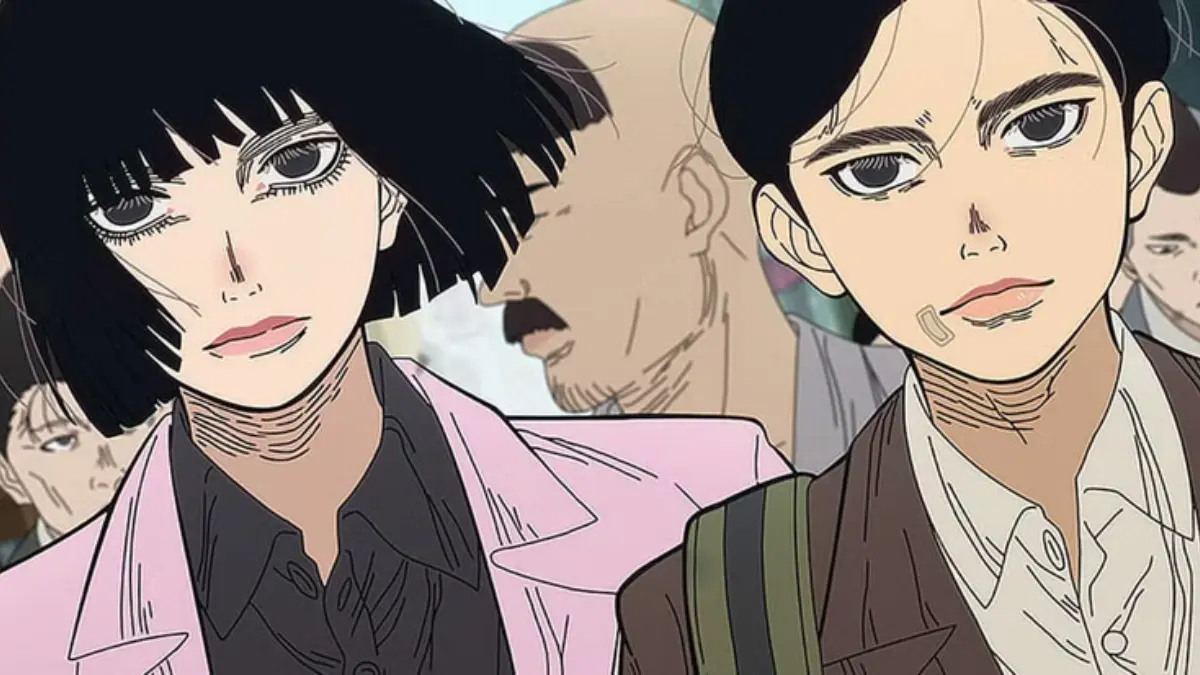
The organization also questioned the decision to portray Mii-chan’s suffering through what it described as a relatively light and casual artistic style.
According to the statement, this combination may have contributed to the character being turned into a figure used for mockery.
The organization further explained that after reading the manga through to its final chapter, it understood the overall work as a story about the relationship between Mii-chan and Yamada-san.
Much of Mii-chan’s story is ultimately presented as a manga created by Yamada-san as a memorial to Mii-chan, who has already died within the story.
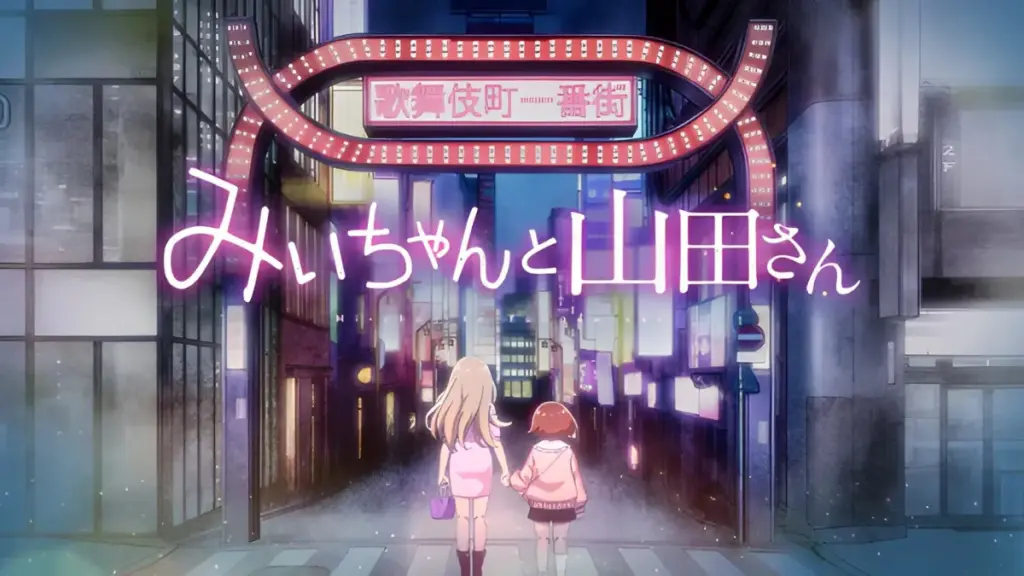
However, the Japan Autism Society argues that this does not change the fact that the majority of the manga focuses on what happens to Mii-chan and the suffering she experiences.
As a result, the organization believes that readers naturally end up evaluating and consuming Mii-chan’s tragedy as the central part of the entertainment.
Japan Autism Society Points To Comments From Young Magazine’s Official YouTube Channel
The organization also highlighted a now-private video from Kodansha’s Young Magazine editorial department official YouTube channel, “Young Magazine Nichijo Ch.”
According to the statement, a segment discussing the manga included captions such as:
“I want to see Mii-chan go through something terrible.”
“I want to see the bottom of this world.”
“Mii-chan is a character who makes you want to see how a person falls.”
The video was made private on August 1.
The Japan Autism Society argues that the fact that the editorial department itself discussed the progression of Mii-chan’s story rather than Yamada-san supports its concern that the manga came to be received primarily as “Mii-chan’s tragedy”, rather than simply Yamada-san’s memorial story.
The organization says this contributed to the perception that the suffering and downfall of a vulnerable person were being presented as entertainment.
“Real Mii-chan” Acrylic Stand Also Became A Point Of Criticism
Another issue mentioned in the statement is merchandise featuring Mii-chan.
The publisher previously offered an acrylic stand depicting a crying, partially undressed Mii-chan as a rare prize in a lottery giveaway.
The Japan Autism Society criticized this decision, arguing that the merchandise can be interpreted as the publisher assigning commercial value to the character’s misfortune.
At the same time, the organization acknowledged another side of the manga’s story.
Yamada-san, who dreams of becoming a manga artist, continues visiting Mii-chan’s grave every year despite nobody else visiting it.
The organization said this can be interpreted as representing the author’s desire to empathize with Mii-chan through Yamada-san, who was unable to save her.
However, it believes that the attitudes surrounding the manga and its commercial presentation have nevertheless allowed the work to be interpreted as turning the misfortune of a vulnerable person into entertainment, causing discomfort among people with disabilities and their families.
Concerns Over The Manga’s Online-First Publication
The Japan Autism Society also raised concerns about the way the manga was initially distributed.
Because the series was released online first, the organization questioned whether the same kind of editorial supervision and risk-management processes that traditionally exist within publishing were able to function properly.
It pointed out that the work was reportedly the author’s debut manga and deals with particularly sensitive subjects involving poverty, disability, and the nightlife industry.
The organization therefore argued that publishers need to develop stronger systems for editorial supervision and risk management in the age of online manga distribution.

Japan Autism Society Says It Has “Strong Concerns” About The Anime
In its conclusion, the Japan Autism Society made its position on the upcoming anime clear.
Importantly, the organization said that simply adding an age restriction or preventing the anime from airing on television would not solve its concerns.
Instead, it said:
“We have strong concerns about the anime adaptation being produced under the culture of those involved with this manga.”
The organization wants greater understanding and consideration so that people with disabilities are not subjected to mockery, insults, or teasing, and so that people with disabilities and their families are not targeted because of the series.
It also called for poverty and disability to be treated as real social difficulties that should lead people toward appropriate support, rather than being used as material for commercial success or entertainment based on other people’s misfortune.
This latest statement adds another major voice to the ongoing discussion surrounding the Mii-chan and Yamada-san anime adaptation.
The Japan Autism Society joins the National Association of Parents and Guardians of Persons with Intellectual Disabilities, which previously raised concerns about the anime’s portrayal of disability and requested greater transparency regarding the production and expert involvement.
The debate around the anime is therefore becoming less about whether the adaptation should simply exist and more about how the story and its sensitive themes will be handled when it moves to animation.
More information about the anime and the response from its creators and production committee is expected in the future. Bookmark Otaku Mantra for more anime news and updates!
About Mii-chan and Yamada-san
Mii-chan and Yamada-san (Japanese Name: Mii-chan to Yamada-san) is a Japanese manga written and illustrated by Nene Azuki and published by Kodansha.
The story is set in Shinjuku’s Kabukicho in 2012 and follows Yamada-san, a woman working as a hostess in a cabaret club, and Mii-chan, a cheerful but socially inexperienced newcomer who struggles to read kanji and understand the atmosphere around her.
Despite being mocked by people around her and often being labelled as “pitiful,” Mii-chan continues trying to work hard. Yamada-san gradually becomes drawn to her as their relationship develops.
The manga focuses on the nightlife industry while portraying loneliness, poverty, difficult living conditions, and the harsh realities faced by vulnerable people.
The series was serialized through Kodansha’s Magazine Pocket from September 2024 until August 16, 2026.
The manga has also been announced for a TV anime adaptation, which has become the subject of discussion among disability advocacy organizations because of the way Mii-chan is portrayed and the sensitive themes explored throughout the story.
Source: Livedoor