The newly announced Mii-chan and Yamada-san anime has become one of the most controversial anime projects announced this year, with widespread criticism emerging online just days after its 2027 adaptation was revealed.
While the anime adaptation was initially announced alongside a teaser promotional video and commemorative illustration by manga creator Nene Azuki, the conversation quickly shifted away from the announcement itself. Readers, disability advocates, anime fans, and even members of the anime industry began raising concerns over how the series portrays people with intellectual disabilities and whether adapting the manga into an anime could amplify those issues.
As criticism continued to spread across social media, an online petition calling for the anime’s cancellation began circulating, while others questioned the production committee’s handling of the adaptation. The controversy eventually prompted an official statement from the anime’s production committee, which said it would proceed with the project while consulting experts and taking additional measures to avoid encouraging prejudice or misunderstanding.
Anime Adaptation Announced for 2027
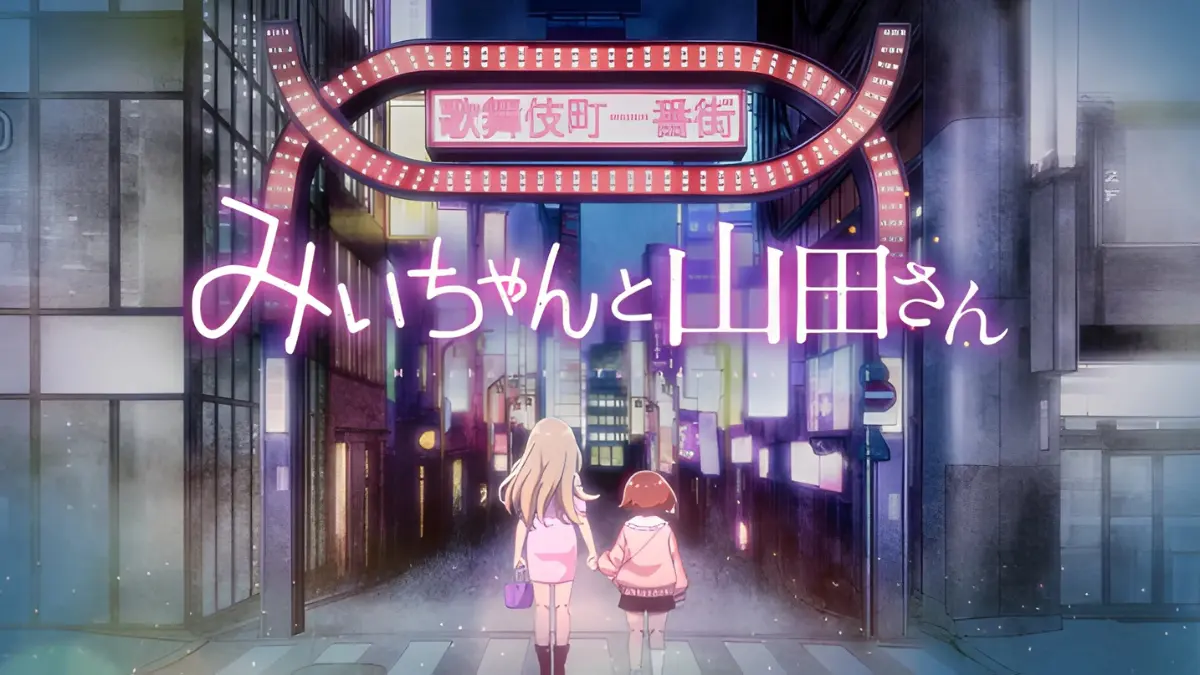
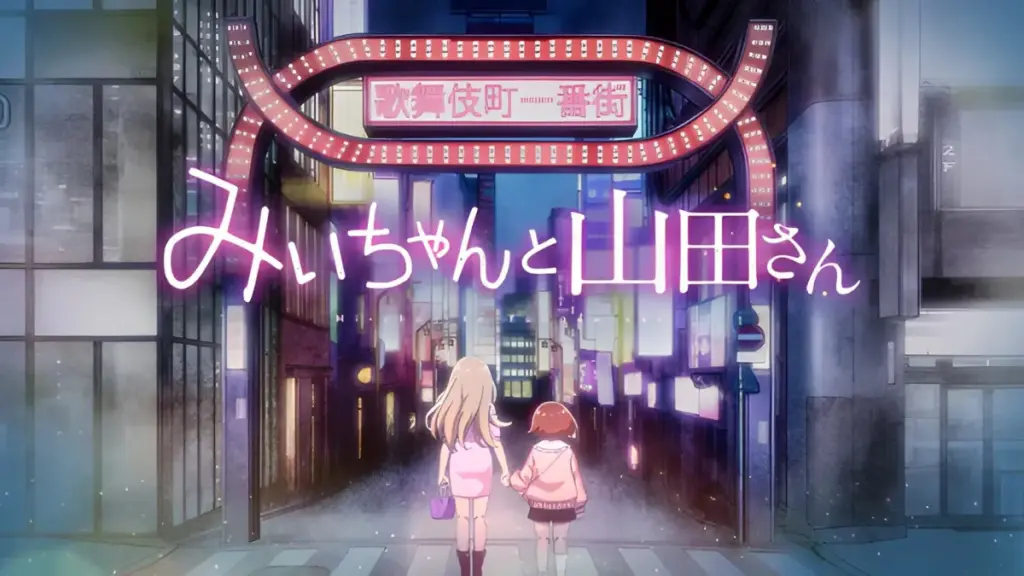
The anime adaptation of Mii-chan and Yamada-san was officially announced for 2027, accompanied by a teaser promotional video and a commemorative illustration drawn by original creator Nene Azuki.
The manga began serialization through Kodansha’s Magazine Pocket in September 2024 and currently has six published volumes. It has surpassed 2.8 million copies in circulation and ranked No. 4 in the male readers category of Kono Manga ga Sugoi! 2026. The series is scheduled to conclude with its seventh and final volume in September 2026.
However, celebration surrounding the anime announcement was quickly overshadowed by growing debate over the manga’s subject matter.
Why Is Mii-chan and Yamada-san So Controversial?
Mii-chan and Yamada-san is a dark human drama set in Tokyo’s Kabukicho district that follows university student Yamada, who works as a nightclub hostess, and Mii-chan, a young woman with an intellectual disability who begins working alongside her.
From the beginning, the story establishes that it follows the final year of Mii-chan’s life before she is eventually murdered. Throughout the manga, she experiences bullying, exploitation, discrimination, and abuse while struggling to navigate a society that repeatedly takes advantage of her vulnerability.
Since the anime announcement, critics have argued that while stories exploring disability and social injustice are important, the series’ depiction of Mii-chan relies too heavily on exaggerated stereotypes associated with intellectual disabilities.
Others have expressed concern that an anime adaptation could introduce those portrayals to a much larger audience than the manga ever reached, potentially reinforcing harmful misconceptions rather than encouraging understanding.
At the same time, supporters of the series argue that the manga intentionally presents an uncomfortable portrayal of exploitation and prejudice, with Mii-chan’s treatment serving as a criticism of society rather than an endorsement of those attitudes.
The debate has since expanded far beyond existing readers of the manga.
Calls for Cancellation and Growing Public Criticism
Following the adaptation announcement, criticism rapidly spread across Japanese social media, with many users questioning whether the series should receive an anime adaptation at all.
An online petition calling for the anime’s cancellation also began circulating, with supporters arguing that adapting the manga into a visual medium could further normalize harmful stereotypes surrounding people with intellectual disabilities.
Many critics stressed that their concerns were not about depicting disability in fiction, but about the manner in which the story portrays Mii-chan and whether that portrayal ultimately treats her as a fully realized character or as a spectacle built around shock value.
Others questioned whether the anime would be suitable for younger audiences despite its mature subject matter, calling for clear age restrictions and content warnings if production continued.
Anime Industry Members Also Spoke Out
The controversy soon extended beyond fans, drawing responses from members of the anime industry.
Among the most notable voices was veteran animator Terumi Nishii, whose credits include Death Note, Kimi ni Todoke, Mawaru Penguindrum, JoJo’s Bizarre Adventure: Diamond Is Unbreakable, and Jujutsu Kaisen.
In a series of posts on social media, Nishii strongly criticized the adaptation, saying she despised everyone involved in the project and particularly those responsible for approving it. She argued that they had abandoned sensitivity in favor of popularity and financial success.
In another post, Nishii compared the work to historical “freak shows,” arguing that the issue was not whether people with disabilities could be depicted in fiction, but the perspective from which they were portrayed. According to her, the series risks turning people with disabilities into a spectacle rather than depicting them with dignity.
Her comments quickly spread online and became one of the most widely shared reactions to the anime announcement.
Many industry members also called out this adaptation: “It is utterly repugnant to act as if the anime adaptation of a manga that is, even now, generating new discriminatory terms and slurs and wounding those directly affected somehow carries “social significance.” I’m not denying the work itself—just leave things as they are in the current state, isn’t that enough? The impact of an anime adaptation is enormous. It spreads around the world in the blink of an eye. Kodansha, of all publishers?“
Many Japanese people pointed out that “those defending the original mangaka of this series are completely ignoring the fact that “there is already real harm being done, with many people being called ‘Mii-chan’ in an insulting way.” Is it because they know that admitting this would put them at a disadvantage?“
Production Committee Issues Official Statement
As criticism continued to grow, the Mii-chan and Yamada-san Anime Production Committee released an official statement addressing the backlash.
The committee acknowledged that the anime announcement had generated significant concern regarding both the manga’s content and the decision to adapt it into animation.
It stated:
“Following the announcement of the anime adaptation, various concerns and opinions have been expressed regarding the work’s content and its adaptation into a visual medium. As the production committee, we sincerely take these concerns to heart.”
The statement continued by explaining that the committee believes there is value in expressing the original work through animation while respecting its themes and message.
According to the committee:
“While respecting the themes and message of the original work, we will proceed carefully with production, consulting experts and including appropriate age ratings and content warnings so as not to encourage prejudice or misunderstanding.”
The statement concluded by thanking fans for their continued support of the project.
The Statement Sparked Another Wave of Discussion
Rather than ending the controversy, the production committee’s response generated another round of debate online.
While some welcomed the decision to consult specialists and include content warnings, others argued that the statement failed to address the criticism directed at the manga itself.
Another point of discussion centered on the committee’s identity.
Many users questioned why the statement was issued solely under the name of the Production Committee, without identifying the individual producers or companies responsible for the adaptation. Some argued that if the committee believed in adapting the manga despite the controversy, the people behind the decision should publicly stand behind it instead of responding collectively through an anonymous committee statement.
As a result, calls for greater transparency began circulating alongside the broader debate surrounding the adaptation itself.
A Debate That Extends Beyond One Anime
Although the controversy began with Mii-chan and Yamada-san, the discussion has expanded into a broader conversation about disability representation in anime and manga, the responsibilities of creators adapting sensitive stories, and how difficult subject matter should be presented to wider audiences.
Supporters of the adaptation argue that dark stories should not be dismissed simply because they make viewers uncomfortable and that the completed anime should be judged on its execution rather than assumptions made before release.
Critics, meanwhile, maintain that the concern is not the presence of tragic or disturbing themes, but whether adapting the manga into animation risks reinforcing harmful stereotypes surrounding people with intellectual disabilities.
With production still in its early stages and no cast or staff members publicly announced beyond the adaptation itself, the debate surrounding Mii-chan and Yamada-san shows little sign of slowing down.
Bookmark Otaku Mantra for more anime news and updates!
About Mii-chan and Yamada-san
Mii-chan and Yamada-san is a Japanese manga series written and illustrated by Nene Azuki. The series began serialization on Kodansha’s Magazine Pocket in September 2024 and quickly gained attention for its emotionally heavy storytelling and its portrayal of life in Tokyo’s Kabukicho entertainment district.
The story follows university student Yamada, who works as a nightclub hostess, and Mii-chan, a young woman with an intellectual disability whose arrival changes Yamada’s life. Through their relationship, the manga explores themes including exploitation, discrimination, poverty, abuse, loneliness, and the treatment of vulnerable people within society. The series is structured around the knowledge that it depicts the final year of Mii-chan’s life before her eventual murder.
The manga has surpassed 2.8 million copies in circulation, ranked No. 4 in the male readers category of Kono Manga ga Sugoi! 2026, and is scheduled to conclude with its seventh volume in September 2026. An anime adaptation was announced for 2027, bringing renewed attention to the series while also sparking widespread discussion over its depiction of disability and the challenges of adapting such sensitive subject matter.
Source: X