Japan’s anime industry is standing at a crossroads as artificial intelligence begins making its way into animation production. While studios continue to deal with labor shortages, rising production demands, and copyright concerns, a new television report has revealed that many companies are already preparing for an AI-assisted future, even if the topic remains highly controversial.
One of the most talked-about moments from the report came from veteran animator Nakano Akiko (Who also worked as an episode director in the Liar Game anime), who has spent 46 years working in the anime industry.
When asked how much AI she could accept in anime production, Nakano gave a response that quickly spread across social media.
“I think the industry must accept AI as Studios Prepare for Its Future. Because that’s the flow of the times—even if my own job disappears because of it, I think that’s just how it is.”
However, her comments came as part of a much broader discussion on how AI is changing anime production rather than an endorsement of replacing animators altogether.
Anime Production Is Under More Pressure
The report begins by breaking down just how labor-intensive anime production has become. A single cut passes through multiple artists, including key animators, animation directors, second key animators, and in-between animators before it reaches the screen. Even after all of that work, the completed footage shown in the report lasts only 1.5 seconds.
Depending on the production, a single anime episode can require anywhere from 4,000 to more than 10,000 drawings, while productions often involve well over 100 staff members and can take months—or even years—to complete.
Despite the industry’s continued growth, studios say finding enough animators remains one of their biggest challenges.
Why Are Studios Interested in AI?
Because of these growing production demands, some studios have begun researching whether AI can assist with certain parts of the animation pipeline.
However, one studio representative explained that copyright concerns remain the biggest obstacle.
According to the report, many AI models cannot clearly prove what material they were trained on or whether generated artwork may resemble copyrighted works. Bringing that kind of content into a commercial production could become a serious legal risk, with the possibility that a completed anime might even be unable to air if rights issues emerge.
The report also showcased several AI-powered production tools designed specifically for the anime industry.
One company demonstrated an AI system trained exclusively on data provided with permission from animation studios, avoiding many of the copyright concerns surrounding publicly trained models.
The software can automatically generate in-between animation, helping bridge movement between key frames.

According to the company, work that normally takes an animator 30 minutes to an hour per cut can be accelerated dramatically, with AI assisting in generating around 200 drawings in just 10 to 20 minutes.
Other tools shown in the report included AI-assisted lip-sync, automatic eye blinking, facial expressions, clothing and hair movement, as well as background style conversion.
Despite these advancements, the company emphasized that humans remain responsible for the finished animation, saying the goal is to support artists rather than replace them.
AI Anime Has Already Faced Backlash
One company featured in the report even produced an anime using these legally cleared AI tools.
Although the production addressed copyright concerns before release, it still received heavy criticism online.
Critics argued that AI could undermine the future of creative industries, harm the development of new artists, and show disrespect toward professional animators.
The reaction highlighted that even legally compliant AI projects continue to face significant resistance from parts of the anime community.
Nakano Akiko Believes Humans and AI Should Work Together
Although Nakano admitted she fears a future where completely AI-generated anime could eliminate traditional drawing roles, she does not believe that outcome is inevitable.
Instead, she argued that human creators will continue to play an essential role by adding emotion, personality, and artistic judgment that AI cannot fully replicate.
“I don’t mean it disappears completely. I think if humans add a bit more of a touch, make it look more human, bring in various adjustments so the emotion comes through, and we’re able to make things together with AI, then it won’t turn into a situation where people get weeded out.”
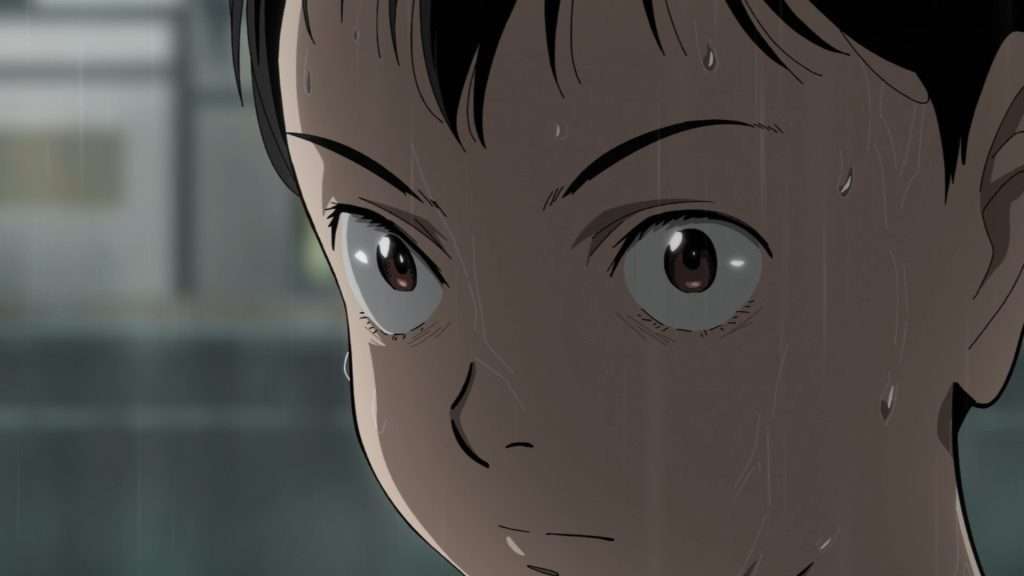
Nakano also believes today’s animators should become the bridge between traditional production and AI-assisted workflows while audiences and the technology itself continue to mature.
Many Studios Are Quietly Preparing for AI
Perhaps one of the report’s biggest revelations came from producer Yamazaki, who said several studios and creators declined interview requests as soon as they learned the topic was AI.
According to Yamazaki, simply being associated with AI can currently trigger backlash among anime fans and creators, making some companies reluctant to discuss their work publicly.
He added that while many studios are already researching AI behind the scenes, they are waiting for clearer industry rules and broader public acceptance before openly introducing the technology into production.
AI Could Become Either “Poison or Medicine”
The report concludes by arguing that AI itself is neither inherently good nor bad, it depends entirely on how it is used.
Yamazaki suggested that responsible AI adoption could ease impossible production schedules, give creators more time to focus on higher-quality work, and even create new opportunities across the industry.
At the same time, he warned that using AI purely to reduce costs or maximize short-term profits could ultimately harm both creators and the long-term future of anime.
As Japan’s animation industry continues to debate AI’s role, one thing has become increasingly clear: the conversation is no longer about whether AI will influence anime production, but how the industry chooses to use it. Bookmark Otaku Mantra for more anime industry news and updates.






One Response
The same arguments about technology easing the schedules of overworked animators, and giving creators time to focus on more quality work, and yadayada where used when the industry started to shift from cell animation to digital. And in the end nothing of sort happened. What happened is that the corpo’s heard that studio’s can produce more in less time and cheaper, and they started to demand anime in tighter schedules than before. The state in which the anime industry is now, with insane overwork and crunches and slave pay, is a direct result of that transition. The same will happen with AI. The increase in productivity will just make the corpo’s demand more in quantity and payment for the studios will lower, because more than anything the corpo see AI as a cost cutting tool.
AI exists only to benefit the corpo’s and the parasite class that want to squeeze every last cent left that is not in their accounts. All this talking about benefiting workers ad industries is snake oil and propaganda pushed to keep us compliant until it will be too late.
Also, I don’t give a crap that some 60’something years old close to retirement is not worried about losing his job to a machine. I am so tired of those fossilized boomers talking about a future they have so little off to experience.