The rapid rise of generative AI has opened up new possibilities for creators, but it has also raised growing concerns about the unauthorized use of people’s voices. Now, Japan is taking a major step toward protecting voice actors, singers, and public figures from AI voice cloning.
Japan’s Ministry of Justice has released a draft guideline stating that a person’s voice should be treated as a legally protected part of their identity, following increasing cases where AI has been used to imitate celebrities and public figures without permission.
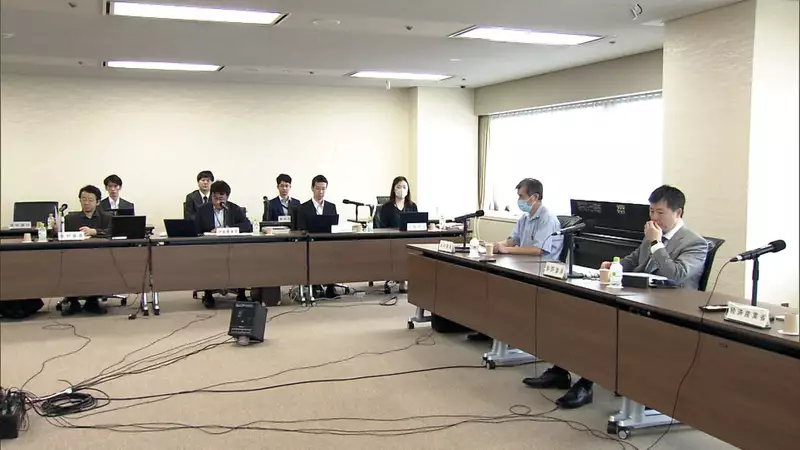
The ministry began discussing the issue after the widespread adoption of generative AI led to a surge in cases involving unauthorized use of famous voices and likenesses. As part of the process, the government held hearings with voice actors and other industry professionals before drafting the new guidelines.
Japan Says Voices Deserve Legal Protection
One of the biggest changes in the draft is that it explicitly recognizes a person’s voice as something that symbolizes their identity.
The Ministry of Justice states that voices should be protected under “Publicity Rights” as well as the right not to have one’s voice used without permission. Until now, Japan did not have clear guidance specifically addressing voices in relation to AI-generated content.
This marks one of the country’s clearest positions yet on how existing rights should apply to AI-generated voice cloning.
AI Covers Using Voice Actors Could Become an Infringement
The ministry also provided a specific example of what could constitute an infringement.
According to the draft, using AI to recreate a voice actor’s voice, making it sing another person’s song without permission, uploading it to social media, and generating revenue from that content could be considered an infringement of the voice actor’s rights.
The example directly addresses one of the fastest-growing uses of AI voice technology, where cloned voices are used to create covers, songs, or other content without the original person’s consent.
Why This Matters for the Anime Industry
The proposed guideline could have significant implications for the anime industry, particularly for professional voice actors whose voices have increasingly become targets of AI cloning tools.
If adopted, the guidance could influence how AI-generated voice content featuring anime voice actors is treated, especially in commercial or monetized situations.
While the draft does not introduce a new law, it clarifies how Japan believes existing legal rights should apply to AI-generated voices and unauthorized voice imitation.
The Ministry of Justice is expected to publish the finalized guideline in August 2026 after completing its review process.
Bookmark Otaku Mantra for more anime industry news and updates.
Source: News.jp