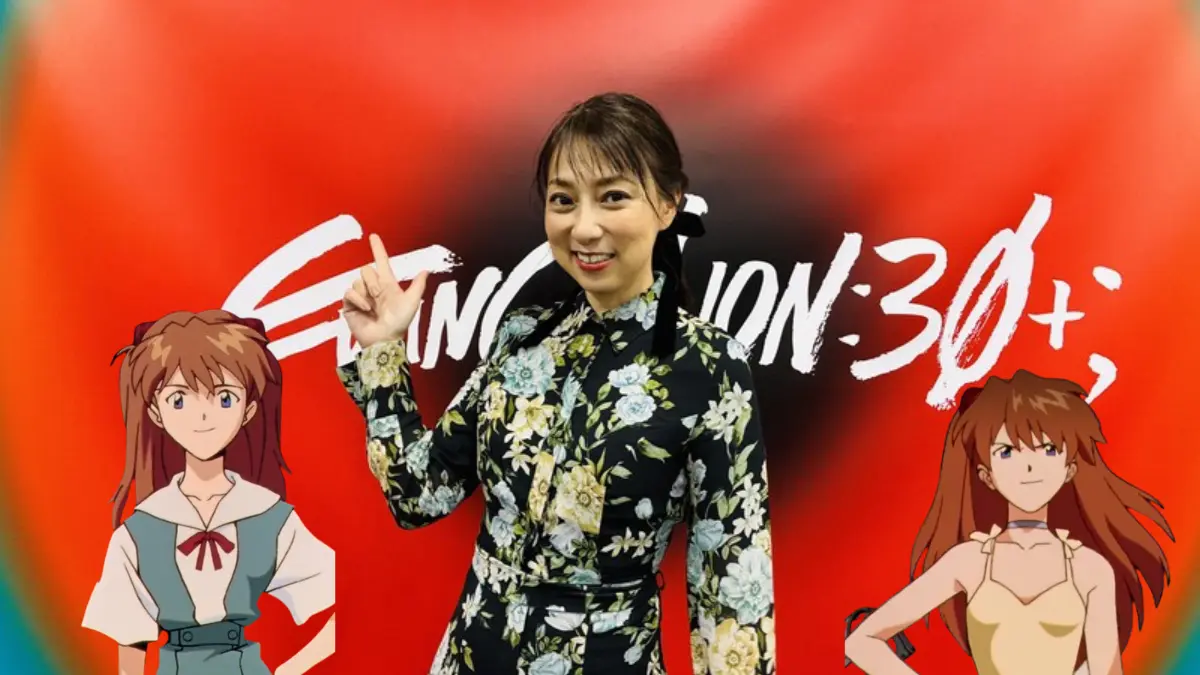
Being an anime fan today is completely different from what it was decades ago. Anime has become one of Japan’s biggest cultural exports, voice actors regularly appear on television, and millions of fans proudly share their collections, cosplay, and conventions online. But according to legendary voice actress Yuko Miyamura, that wasn’t always the case.
Yuko Miyamura, best known as the voice of Asuka Langley Soryu in Neon Genesis Evangelion, recently reflected on how anime fandom, voice actors, and otaku culture have changed over the past 40 years in a personal column.
She explained that while she considered herself an otaku since childhood, she no longer feels confident calling herself one because modern fandom has changed so much.
“What I want to say is that the definition of ‘otaku’ in otaku and subculture has changed, hasn’t it? Otaku are no longer seen as people living in the shadows.”
Anime Fans Once Had to Hide Their Hobby
Miyamura recalled growing up in the 1970s and 1980s, when anime was still largely viewed as children’s entertainment before gradually expanding to teenagers and adults through adaptations of hit manga such as Captain Tsubasa, Saint Seiya, Touch, and Urusei Yatsura.
She also remembered visiting Animate stores during those days, saying they were often hidden away from busy streets, making fans feel as though they had to keep their hobby a secret. She even shared that she was once chased by a molester after leaving an Animate store where she had purchased Saint Seiya merchandise.
According to Miyamura, anime fans often hid their collections because revealing they were anime fans could lead to ridicule.
“I secretly wanted to display the goods I bought like they were on a shrine. But if people found out I belonged to the ‘anime otaku religion,’ I’d be treated like a heretic. So I hid everything deep inside my drawers.”
She also described herself as a “weak otaku,” saying she admired fans who openly expressed their hobbies despite social stigma.
“Voice Actors Were Treated Like Exotic Animals”
As her voice acting career began during the 1990s, Miyamura said attitudes toward voice actors weren’t much better. She explained that despite anime’s growing popularity, television still treated voice actors and anime fans as something strange.
“Whenever we were invited to appear on popular TV variety shows, voice actors were treated like exotic animals. We were treated as novelty acts, spoken down to, and our otaku fans were mocked and treated discriminatorily.”
The TV Show That Left Her Traumatized
One incident left a lasting impression on her.
“When I was invited to appear on a popular variety show, during the planning meeting, the director enthusiastically described a concept built around everyone mocking otaku and ridiculing my fans and the anime community, saying, ‘That’s entertaining television, isn’t it?’ I remember thinking, ‘Wow… does the TV industry have a bully mentality?'”
Miyamura refused to participate unless the producers changed the program. Although they agreed, she said the production team kept the original concept anyway.
“I told them I couldn’t participate if that was the concept, so they agreed to change it, and I said I’d participate if they did. But when I arrived for the recording, the concept hadn’t changed at all. I felt completely tricked. It was so awful that I asked them not to air it. Back then, television was genuinely traumatic for me.”
She also recalled another media appearance where reporters claimed they wanted to cover the popularity of anime radio programs, only for the final broadcast to instead portray otaku as people suffering from “tech addiction.”
Anime Has Changed for the Better
Despite those painful experiences, Miyamura believes the industry has changed dramatically for the better.
She pointed out that anime is now recognized worldwide, celebrities openly talk about being anime fans, and voice actors have finally earned respect as professionals.
“But don’t worry! These days, thanks to the growing number of celebrities and TV staff who openly say they love anime, voice actors have earned respect as professionals, and I’ve been fortunate to work in places where I’m treated with respect. I’m truly grateful. It really feels like we’re living in a wonderful time, and I feel very fortunate.”
Miyamura’s Concern About Modern Otaku Culture
However, Miyamura also expressed some concerns about modern fandom. While she’s happy anime is no longer looked down upon, she feels some fans have become a little too open compared to earlier generations.
She argued that older fans understood there were certain boundaries and etiquette because they had spent years enjoying anime as a niche hobby. Today, she worries that some of those unwritten rules have disappeared as anime has become mainstream.
Using examples such as increasingly revealing cosplay and fanservice-heavy anime scenes, Miyamura questioned whether fandom has become “too open,” though she emphasized that she still supports people enjoying what they love.
Looking back on four decades of anime culture, Miyamura painted a picture of an industry that transformed from a niche hobby often hidden from public view into one of Japan’s biggest cultural exports.
While she celebrates how far anime and voice actors have come, she hopes fans continue enjoying the medium while remembering the respect and etiquette that helped shape the community in its earlier years. Bookmark Otaku Mantra for more anime industry news and updates.
Source: Hanasone Mainichi