Solo Leveling left a mark that’s hard to shake. The leveling system, the dungeon raids, Jinwoo going from weakest to untouchable, it all came together in a way that very few anime manage. Finding something that hits the same way is not easy, but there are shows that get close.
This list focuses on anime that share at least one of Solo Leveling’s core strengths: strong progression, an overpowered or growing protagonist, dungeon and monster mechanics, or a genuinely dark and serious tone. Some check all the boxes. Some check two or three. But every pick here is worth your time.
What Makes an Anime Like Solo Leveling?
Before the list, it helps to understand what actually made Solo Leveling special.
The progression is what hooks you first. Watching Jinwoo climb from E-rank to something beyond any rank feels earned. Every fight, every dungeon, every shadow he adds to his army builds toward something. Then there is the power fantasy. No holding back, no last-minute power-ups from friendship, Jinwoo just gets stronger, and it stays satisfying every time. And the atmosphere holds it all together. The world has real stakes. Dungeons are dangerous. People die. Jinwoo carries a cold, quiet intensity that makes him genuinely fascinating to watch.
The anime on this list share some version of that. Not all of them are identical in tone or structure, but each one has a clear reason for being here.
15 Best Anime Like Solo Leveling
15. Hell’s Paradise
Episodes: 13 Streaming: Crunchyroll
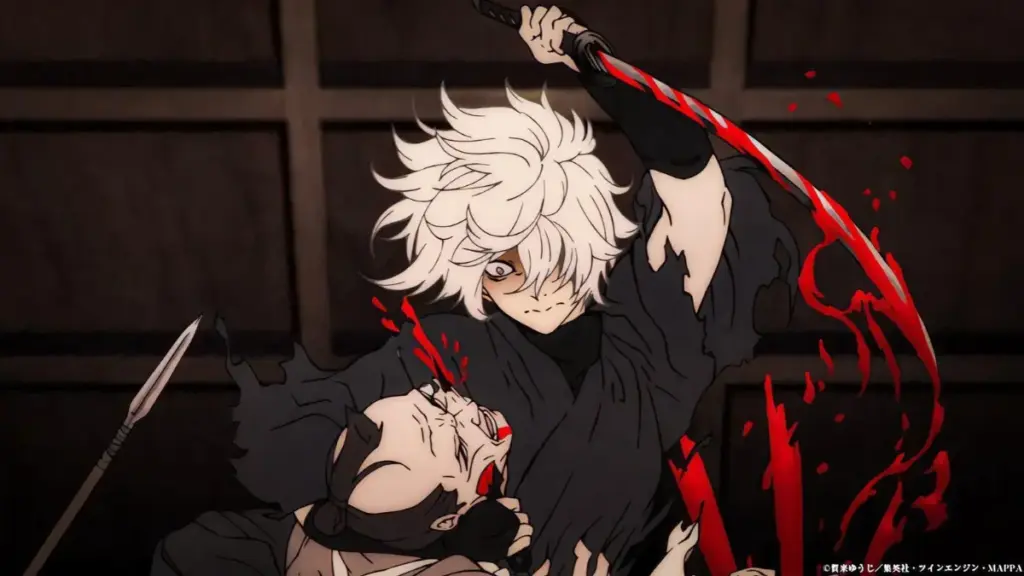
Hell’s Paradise is for the viewers who connected most with Solo Leveling’s darker side: the body horror, the genuinely threatening monsters, and the cold efficiency of the main character.
Gabimaru is a legendary shinobi who has been sentenced to death and somehow cannot die. He gets sent to a cursed island with other condemned criminals, all competing to bring back an elixir of immortality in exchange for a pardon. The island is a nightmare. The creatures on it are unlike anything in the natural world, and the show does not soften what happens to people who underestimate them.
Gabimaru’s energy is very Jinwoo — quiet, precise, and terrifyingly capable when pushed. The world feels genuinely dangerous in a way that a lot of action anime do not manage, and the show never lets you forget what is at stake for anyone on that island.
14. Black Clover
Episodes: 170 Streaming: Crunchyroll
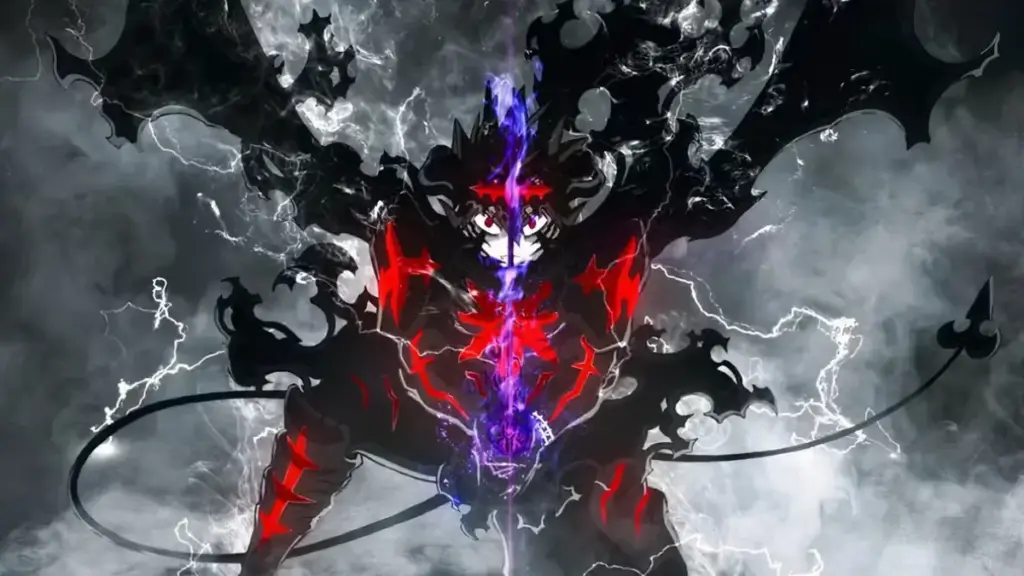
Black Clover is the most traditional shonen on this list, and the longest. But if you want the most complete underdog-to-top progression journey in the genre, few anime do it as consistently.
Asta has no magic in a world where magic determines everything. He compensates with physical training and an anti-magic ability that lets him cut through spells. Over 170 episodes, you watch him go from a complete outsider to someone who stands in the same room as the strongest characters in the series, not by inheriting power, but by outlasting everyone who wrote him off. The animation improves noticeably as the series progresses, and the Spade Kingdom arc in particular delivers on the buildup.
The connection to Solo Leveling is mostly in the premise: a protagonist written off by their world who refuses to stay at the bottom. Black Clover is louder and more emotionally driven than Solo Leveling, but the satisfaction of watching someone keep climbing when everyone expects them to fail is the same.
13. That Time I Got Reincarnated as a Slime
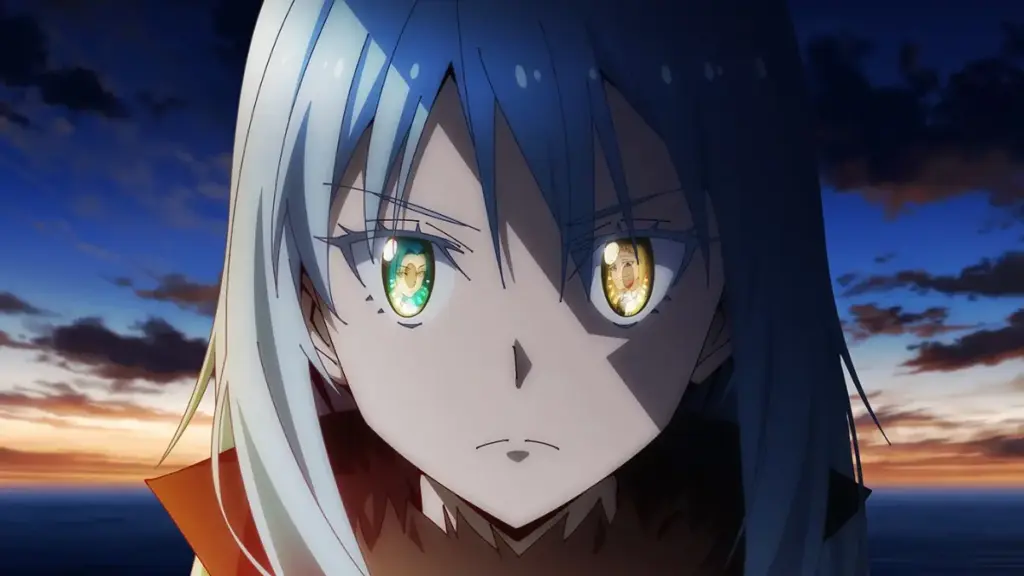
Episodes: 48 across 2 seasons + films Streaming: Crunchyroll, Netflix
TenSura opens with one of the most unlikely starting points in isekai: the main character reincarnates as a slime. Not a warrior, not a mage. A slime. And then spends the rest of the series becoming one of the most powerful beings in the world.
Rimuru absorbs abilities from everything he defeats, which gives the series a power-scaling structure that should feel familiar coming from Solo Leveling. The more he fights and wins, the stronger he gets, and the show does not rush that process. What separates TenSura from most power fantasy anime is the nation-building layer, Rimuru is not just getting stronger, he is building a home, leading a people, and turning a patch of forest into something significant.
The shadow army parallel is hard to miss, Rimuru builds his own group of powerful subordinates, and the moments where that group is put to use carry real weight. The tone is lighter than Solo Leveling, but the scale of the power fantasy is comparable.
12. Welcome to Demon School! Iruma-kun
Episodes: 65+ across 3 seasons Streaming: Crunchyroll
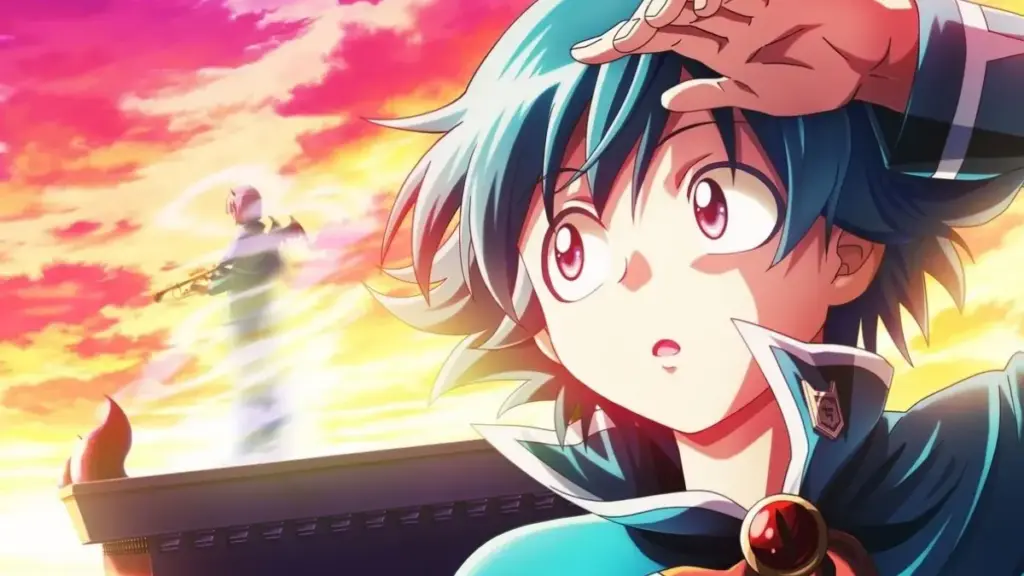
This one is aimed at a younger audience and carries a mostly wholesome tone, which makes it the most unexpected entry on the list. But its progression is some of the best in the genre, and that is exactly why it belongs here.
Iruma is a human sold to a demon by his own parents and enrolled in a demon school where he has no power and has to hide what he is. His growth across three seasons is steady, consistent, and genuinely rewarding — every arc builds on the last, and every rank he earns means something. There is also a standout mid-series arc where Iruma’s personality shifts completely and you briefly get a cold, calculating version of him that reads very differently from his usual self. That arc alone is worth watching.
If what you valued most about Solo Leveling was the journey itself rather than just the fights, Iruma-kun is a surprisingly strong recommendation.
11. Kaiju No. 8
Episodes: 12 Streaming: Crunchyroll
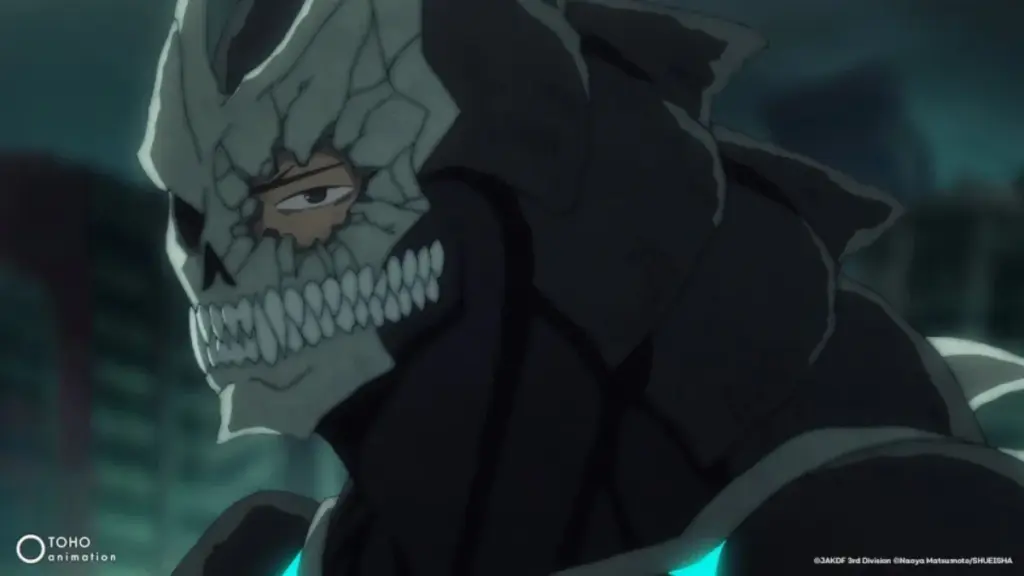
The setup is immediately familiar to Solo Leveling fans. Massive creatures appear and threaten humanity. An organisation exists specifically to fight them. Strength determines rank. The question is where a particular character fits in that structure.
Kafka Hibino has been trying to join the Defense Force for years without success. Then he gets infected by a small kaiju and gains the ability to transform into one himself, becoming Kaiju No. 8, a monster that the entire Defense Force is actively trying to destroy. He is now trying to earn a place in the same organisation that is hunting him.
The double identity angle connects clearly to Jinwoo operating beyond what the world around him understands. Kafka’s arc, an older character finally getting the power he always wanted, with real consequences attached gives the show an emotional grounding that most monster-hunting anime skip entirely.
10. One-Punch Man
Episodes: 36 across 3 seasons Streaming: Crunchyroll, Netflix
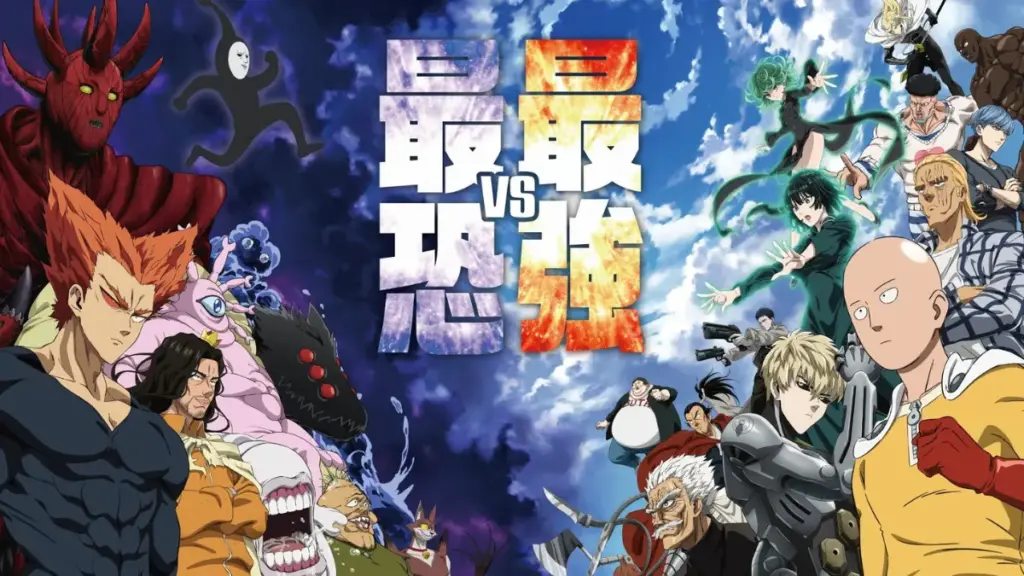
One-Punch Man is the definitive take on what happens when a protagonist becomes too powerful. Saitama trained so hard he lost his hair and the ability to feel excitement in a fight because he can end any confrontation with a single punch. No enemy comes close. No fight is in doubt.
Season 1 in particular is excellent. The action animation from Madhouse is spectacular, the comedy lands consistently, and the commentary on power fantasies and hero culture is sharper than the premise suggests. What connects it to Solo Leveling is not the progression; Saitama starts at the ceiling but the feel of watching someone operate on a completely different level from everything around them. That is exactly where Jinwoo ends up, and Season 1 of One-Punch Man is the sharpest version of that idea in anime.
9. Mashle: Magic and Muscles
Episodes: 24 across 2 seasons Streaming: Crunchyroll
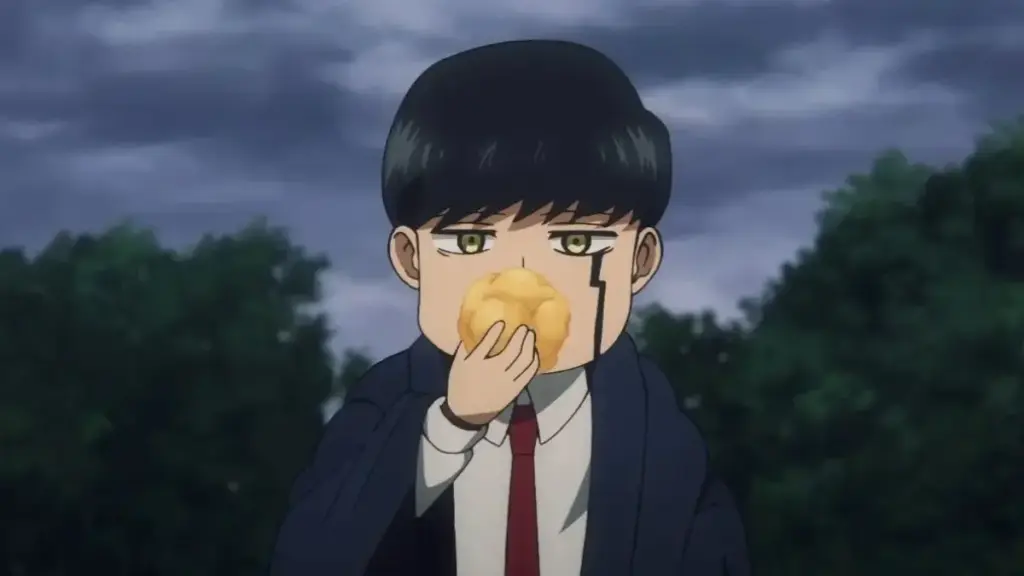
Mashle is deliberately absurd. In a world where magic determines your worth and non-magic users have no rights, Mash Burnedead has zero magical ability. His solution to every magical threat is to punch it until magic stops being a factor. This works without exception.
It is part Harry Potter parody, part shonen parody, and genuinely funny throughout. But the reason it belongs on a Solo Leveling list is the protagonist energy. Mash operates with complete calm in situations that would destroy anyone else around him. Everyone panics. He does not. That effortless, unshakeable dominance is very close to how Jinwoo carries himself in Solo Leveling’s later episodes.
The tone is completely different, Mashle is a comedy first but the feeling of watching an MC who simply cannot be touched by the world’s standards is the same.
8. DanMachi – Is It Wrong to Try to Pick Up Girls in a Dungeon?
Episodes: 50+ across 4 seasons + spinoff Streaming: Crunchyroll
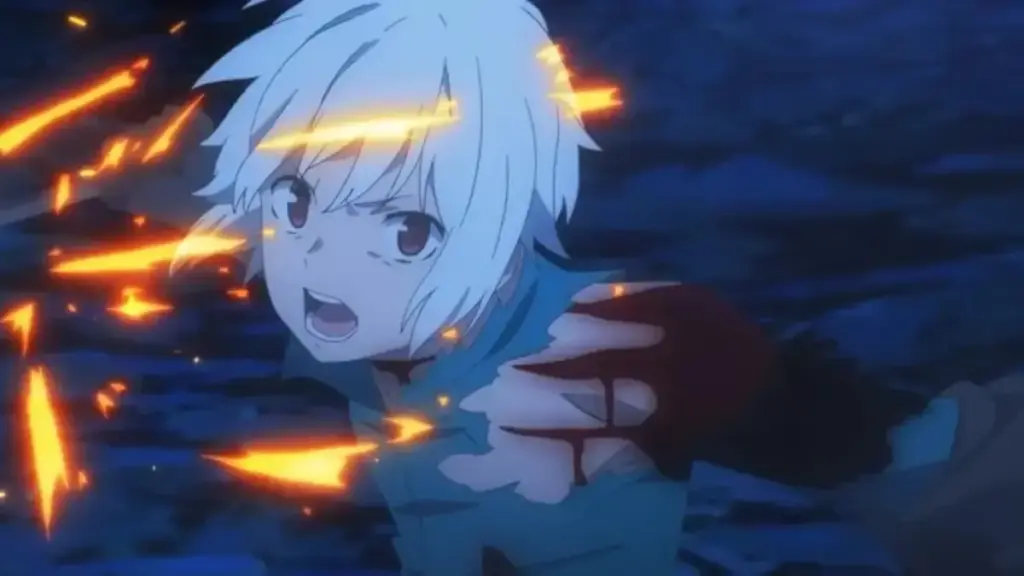
If the dungeon structure was your favourite part of Solo Leveling, DanMachi is the clearest recommendation on this list.
Bell Cranel is a rookie adventurer in a city where gods live among humans and adventurers descend into a massive dungeon beneath Orario. The dungeon has floors, monsters, rare drops, and a visible stat system that reads like an RPG. The deeper you go, the more dangerous it gets. Bell starts weak, genuinely weak, but carries a unique ability that lets him grow faster than anyone in recorded history.
The dungeon exploration here has real weight. Floors matter. New depths feel like genuine achievements. Monsters are not just obstacles, reaching a level that was previously out of reach is treated as significant, which gives the progression the same satisfying quality as watching Jinwoo push into higher-ranked gates. The world around the dungeon has enough depth in its gods, factions, and rivalries to keep things interesting between the action.
7. Overlord
Episodes: 52 across 4 seasons Streaming: Crunchyroll
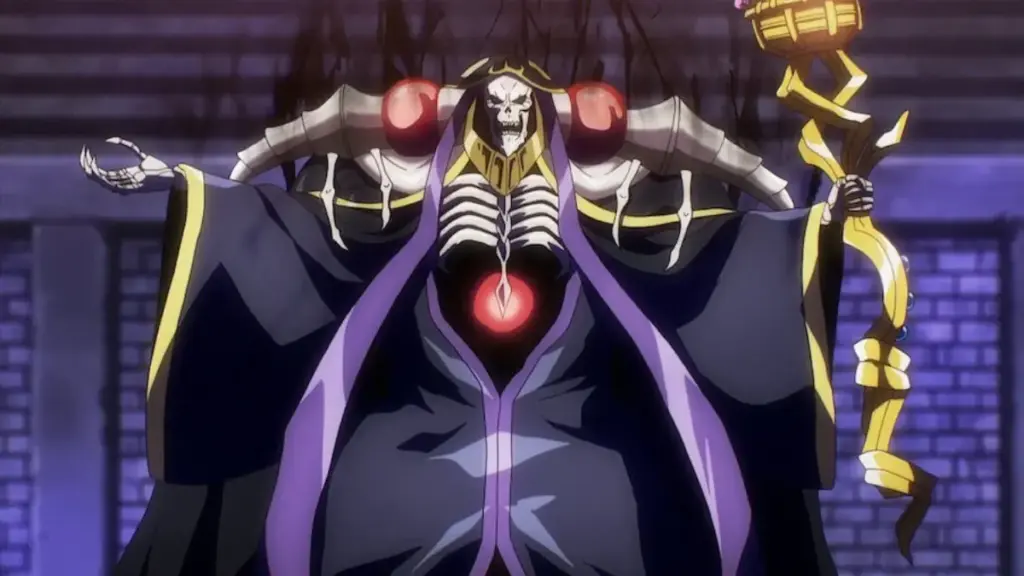
Overlord is the purest power fantasy on this list. Momonga is a player trapped inside a virtual game world after its servers shut down. His character is a maxed-out undead wizard, and nothing in this new world is close to his level. He does not struggle. He does not lose. The question is never whether he will win but how far ahead of everyone else he actually is.
The appeal is watching an already godlike character navigate a world that has no idea what it is dealing with. The side characters are interesting, the world is well-constructed, and Ainz’s political manoeuvring is genuinely entertaining to follow. It also has the shadow army parallel, Ainz commands an organisation of powerful subordinates, and watching that structure expand has the same satisfaction as Jinwoo’s growing shadow army.
If what you loved most about Solo Leveling was its endgame, Jinwoo walking through everything without breaking a sweat, Overlord is four seasons of exactly that feeling.
6. The Rising of the Shield Hero
Episodes: 50+ across 3 seasons Streaming: Crunchyroll

Very few anime handle the underdog starting point as well as Shield Hero’s first season. Naofumi gets summoned to another world as one of four heroes and is immediately betrayed, framed, and left with nothing. No money, no allies, barely any combat ability, and a world that actively works against him.
What follows is a slow, earned climb from the bottom. Naofumi builds his own path, forms his own team, and forces the world to take him seriously. The bitterness and determination he carries through the early episodes is very close to early Jinwoo, both characters have something to prove, and both make you want to see them prove it. The darker tone of Season 1 also matches Solo Leveling’s atmosphere better than most isekai.
The later seasons are inconsistent, but Season 1 specifically is one of the strongest underdog arcs in anime.
5. Tower of God
Episodes: 13 (Season 1), 26 (Season 2) Streaming: Crunchyroll
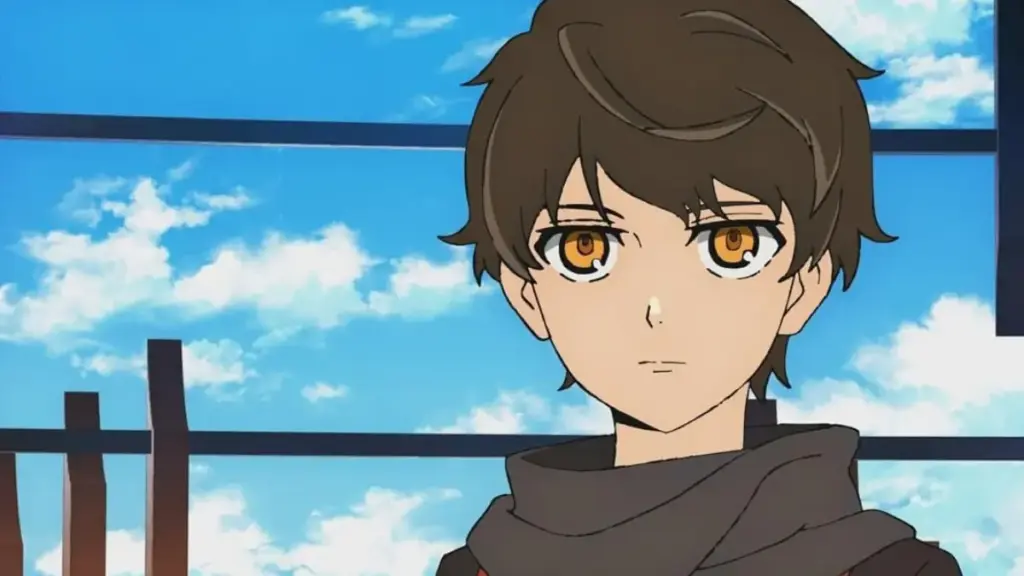
Tower of God has no dungeons and no traditional leveling system, but if the sense of climbing, floor by floor, challenge by challenge, with a bigger mystery waiting at the top, was what pulled you through Solo Leveling, this is the closest structural match on the list.
Bam enters a mysterious tower to find his only friend, Rachel. To climb it, you have to pass tests. The tests get harder as you go higher. The politics get more complicated. And Bam, who starts with practically nothing, grows in ways that keep surprising you well into Season 2. The worldbuilding is genuinely layered, every floor feels different, every faction has its own logic, and the mystery of what the tower actually is keeps pulling you forward.
It is less action-heavy than Solo Leveling, but the progression and world depth more than compensate. Season 2 ran for 26 episodes and finished in December 2024, so there is a substantial amount to watch.
4. The Eminence in Shadow
Episodes: 37 across 2 seasons. Streaming: Crunchyroll, HIDIVE
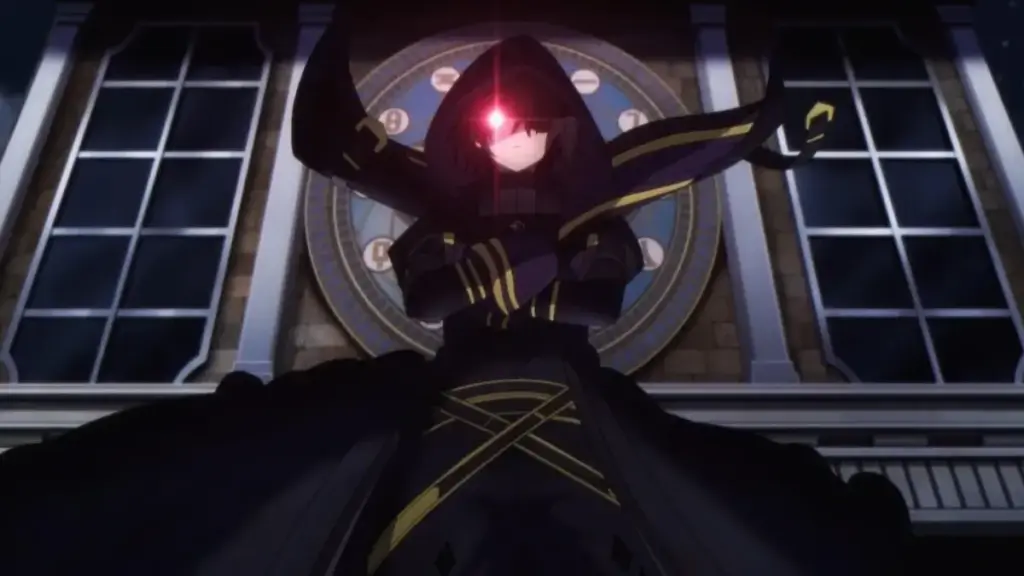
The Eminence in Shadow is a comedy, but the OP MC energy is genuine and consistent throughout.
Cid Kagenou’s dream is to be a “background character” who is secretly the most powerful person alive. He reincarnates into a fantasy world and accidentally builds a real shadow organisation fighting a real evil cult, except Cid has no idea any of it is real. He thinks he is roleplaying an elaborate fantasy. Everything around him is completely serious. He is not.
The gap between what Cid believes is happening and what is actually happening drives most of the comedy. But underneath the humour is a protagonist who is genuinely frightening when he moves. The action sequences are very well animated, and the feeling of watching someone operate effortlessly above everyone else around him is the same energy Jinwoo has just wrapped in a layer of complete self-delusion. It is one of the most entertaining isekai of the last few years.
3. Sword Art Online
Episodes: 100+ across multiple seasons and films. Streaming: Crunchyroll, Netflix
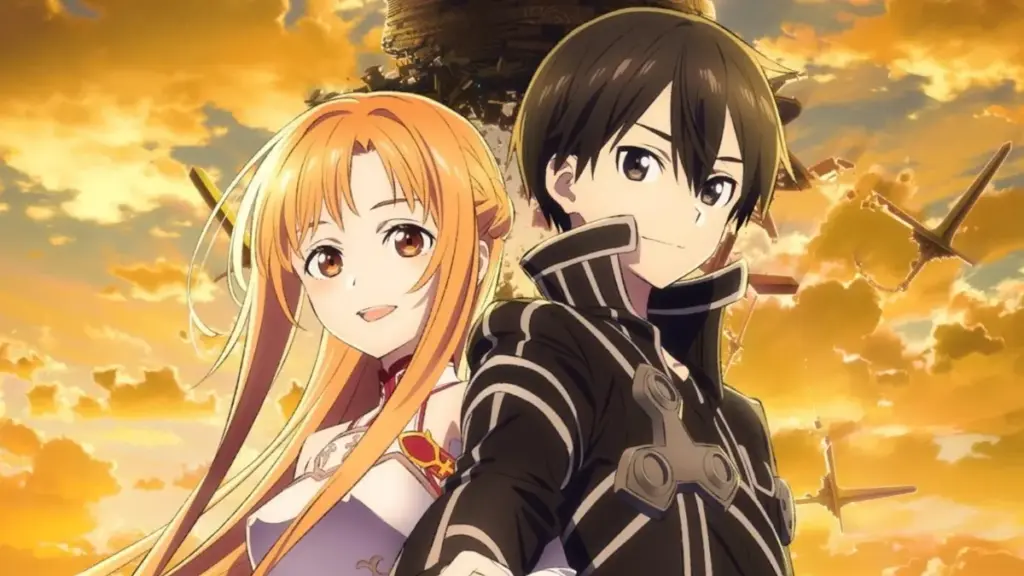
SAO takes criticism that is sometimes deserved, but if what you are looking for is the game-system feel — stats, skills, levels, high-stakes combat with a clear progression structure, SAO built that template before almost anyone else.
Kirito gets trapped in a virtual reality game where dying in-game means dying in real life. He is a solo player, skilled well beyond most others, navigating the game with a quiet confidence that feels familiar if you liked Jinwoo’s approach. The Aincrad arc particularly carries that dungeon-floor-by-floor structure, where every cleared level brings you one step closer to the top. It directly influenced a lot of what came after it in the genre, including the manhwa that became Solo Leveling.
Some arcs are stronger than others, and the series is a long commitment. But as the foundation of the game-system anime sub-genre, it still holds up well.
2 GATE
Episodes: 24 Streaming: Crunchyroll
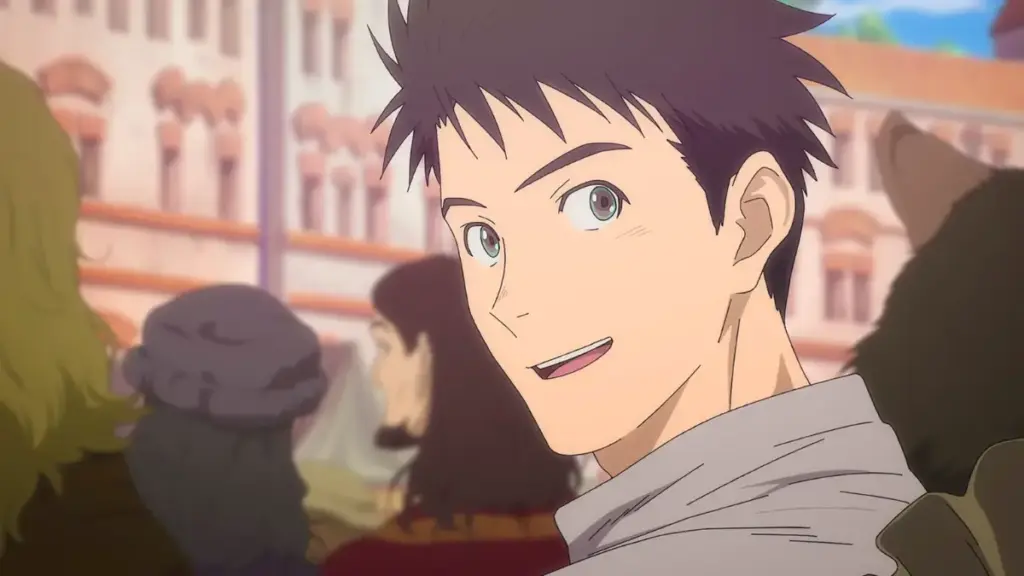
The gate concept is central to Solo Leveling — mysterious portals open, monsters come through, and specialised fighters go in to deal with them. GATE flips the premise: the gate opens in central Tokyo, and this time the Japanese Self-Defense Force goes through to the other side.
What they find is a medieval fantasy world with swords, magic, dragons, and kingdoms. The JSDF, armed with modern military equipment, is vastly more powerful than anything they encounter on the other side. The show plays with that gap in a way that is consistently entertaining. It is not a deep character study, but if what you loved about Solo Leveling was the gate system itself, the monster threats, and the feeling of watching a clearly superior force handle what others cannot — GATE delivers that with real conviction.
1 Shangri-La Frontier
Episodes: 25 (Season 1) + 25 (Season 2), Season 3 announced. Streaming: Crunchyroll
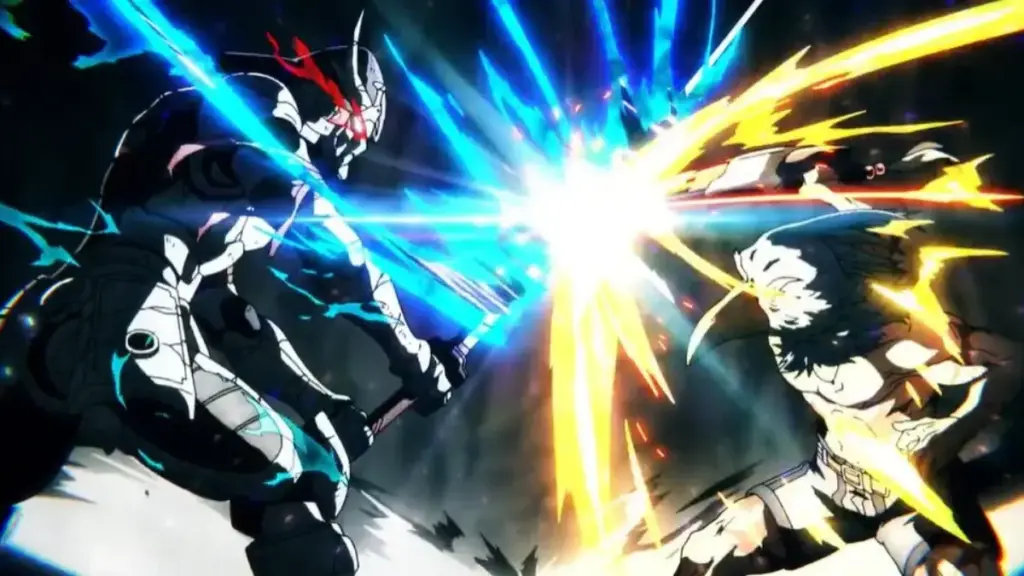
If there is one anime to recommend first to someone who finished Solo Leveling, it is Shangri-La Frontier. Both series make progression feel genuinely satisfying, especially when the protagonist faces something that should be impossible and finds a way through anyway.
Rakuro Hizutome is a gamer who specialises in clearing terrible, broken VR games. When he takes on Shangri-La Frontier, a massive, high-quality game, he approaches it differently from everyone else. His experience with bad, unbalanced games has trained him to read patterns, exploit mechanics, and adapt to situations that normal players would not survive. That approach lets him take on enemies that top-tier players struggle to handle.
What makes Shangri-La Frontier such a natural follow-up to Solo Leveling is the emphasis on boss battles, rare discoveries, and the escalating challenge of going further than anyone expected. The Wethermon fight in Season 1 is, in my opinion, one of the most well-executed boss sequences in recent anime, the kind of fight that makes the buildup feel completely worth it. The progression has that same quality as Jinwoo’s dungeon climbs, you feel every step of it.
The setting is different. Jinwoo’s world is dangerous and real, while Rakuro’s is inside a game with a lighter overall tone. But the core loop: a protagonist who outthinks and outlasts opposition that should be beyond him, is the closest any anime on this list comes to matching what Solo Leveling does best.
What to Watch After Solo Leveling
If you have already seen some of these and are figuring out where to start, the short version: Shangri-La Frontier is the closest match to the game-system progression feel. Overlord is the pick for pure power fantasy. DanMachi covers dungeon exploration better than anything else on the list. Hell’s Paradise matches the dark atmosphere. And Shield Hero Season 1 is the best underdog arc.
The Solo Leveling manhwa also continues well past where the anime ends — if you do not mind reading, it is worth finishing.
The Final Phase
There is no single anime that replicates everything Solo Leveling does. It carved out its own space in the genre, which is why the search for something similar is so specific.
Every anime on this list takes a different part of what made Solo Leveling work and runs with it. Start with whatever matches what you valued most about Jinwoo’s story. You will probably work through more than one.