The future of the upcoming anime adaptation of Mii-chan and Yamada-san is now uncertain, as publisher Kodansha and the anime’s production committee are discussing whether to proceed with the project following concerns raised by several Japanese advocacy organisations.
In a response sent to the Association for Protecting Vulnerable Children and Adults on October 30, Kodansha acknowledged that the controversy surrounding the adaptation had raised issues requiring further consideration. The publisher confirmed that it and the other companies involved in the production committee are discussing the project’s future, including whether the anime should move forward at all.
Kodansha also stated that it does not intend to proceed with the adaptation without first addressing the submissions and requests made by the association and three other organisations.
The development marks a change from the production committee’s July 27 statement, which maintained that the anime would proceed while denying any intention to discriminate and promising to seek expert advice.
Why Are Advocacy Groups Opposing the Mii-chan and Yamada-san Anime?
The anime adaptation of Mii-chan and Yamada-san was announced on July 26, 2026. However, the project faced criticism from members of the public and several organisations representing people with disabilities and their families.
The Association for Protecting Vulnerable Children and Adults submitted a petition to Kodansha on October 5, calling for a review of the adaptation. The organisation had also collected 4,287 signatures between August 1 and September 30, 2026.
Importantly, the association clarified that it was not demanding a blanket ban on artistic expression. Instead, it wants the anime to be reconsidered so that portrayals that could harm people with intellectual and developmental disabilities are not reproduced without addressing the concerns raised by affected communities.
The organisation highlighted several issues with the source material, including the possibility of reinforcing stereotypes that portray people with intellectual or developmental disabilities as troublesome or particularly vulnerable to sexual exploitation.
It also raised concerns about the name “Mii-chan” reportedly being used as a derogatory term against people with developmental traits and women who experience difficulties in their daily lives.
Another point of criticism concerns the manga’s depiction of sex work and exploitation. The association argues that the story risks making the exploitation of vulnerable individuals appear as entertainment while leaving the power imbalance between those buying and selling sexual services insufficiently addressed.
The group also questioned merchandise depicting Mii-chan crying and partially undressed, arguing that such products commercialise the character’s suffering.
Three Other Japanese Organisations Have Also Raised Concerns
The association’s petition also highlighted concerns raised by three national organisations.
The National Association of Parents of Children with Intellectual Disabilities did not take a blanket position against the anime adaptation in its August 19 statement. However, it raised concerns about the protagonist’s portrayal, the reported use of “Mii-chan” as a derogatory term, and statements made by the production side. It also requested explanations about the significance of the adaptation, the experts involved in providing advice, and the proposed age rating.
The National Mental Illness Persons Group, in its August 21 statement, opposed an adaptation that faithfully reproduces the original material without examining its potential to reinforce existing prejudices and misunderstandings about people with disabilities.
Meanwhile, the Japan Autism Association expressed strong concerns in its September 9 statement, noting that people with autism and their families had reported anxiety about the adaptation and the possibility of children being teased at school. The organisation also argued that age restrictions or limiting the anime to certain broadcast platforms would not, by themselves, address the issues.
These organisations have expressed different positions and requests, but their statements have contributed to the wider discussion surrounding the project.
Kodansha Seeks Further Discussions Before Making a Decision
In its October 30 response, Kodansha also informed the association that it was arranging discussions with additional external organisations.
These include groups representing foster care networks, people affected by mental illness, and psychiatric healthcare institutions. The publisher said it hopes to hear a wider range of opinions before making further decisions about the anime.
The association had requested a written response to its public questions by November 30, 2026. However, Kodansha explained that it was difficult to provide definitive answers at this stage because several aspects of the situation remained uncertain. It requested additional time while assuring the organisation that it would provide a response.
The association subsequently acknowledged Kodansha’s response and said it would continue monitoring the discussions and request updates on the project’s progress.
As of November 5, 2026, no final decision has been announced regarding whether the Mii-chan and Yamada-san anime will proceed, be revised, postponed or cancelled. Discussions between Kodansha, the production committee and the relevant organisations are ongoing.
Bookmark Otaku Mantra for more anime news and updates!
About Mii-chan and Yamada-san
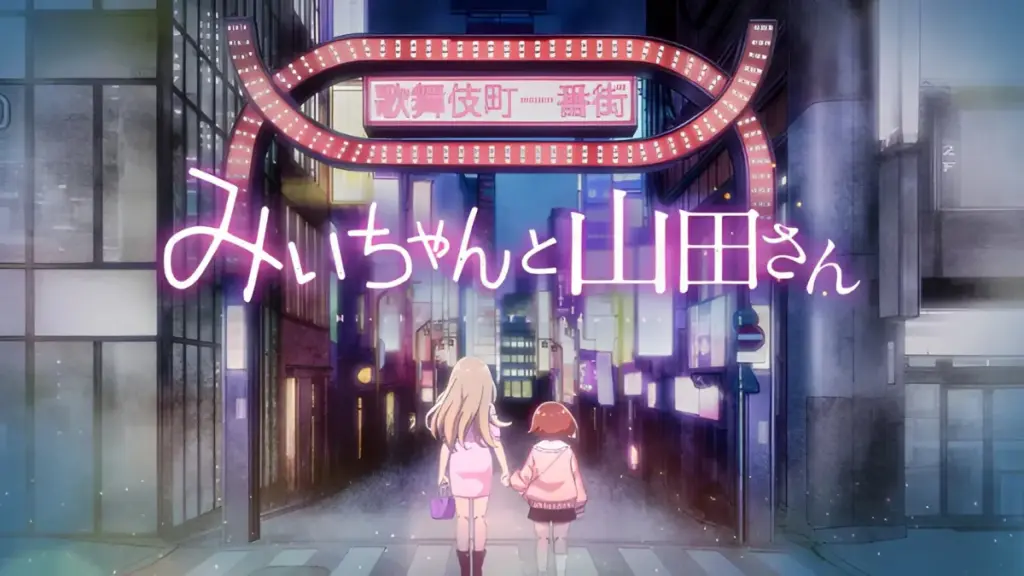
Mii-chan and Yamada-san is a manga series written and illustrated by Azuki Nene. Set in Tokyo’s Kabukicho district in 2012, the story follows Mii-chan, a newcomer working at a hostess club, and Yamada, a more experienced colleague who tries to look after her.
Mii-chan is portrayed as having intellectual and developmental characteristics that affect her ability to understand social situations and navigate everyday interactions. As the story progresses, she faces ridicule, exploitation and increasingly difficult circumstances, while her relationship with Yamada develops into a complicated, co-dependent friendship.
The manga’s dark subject matter and portrayal of disability, vulnerability and sexual exploitation have become central to the debate surrounding its planned anime adaptation.
Sources: Association for Protecting Vulnerable Children and Adults – October 31 Update