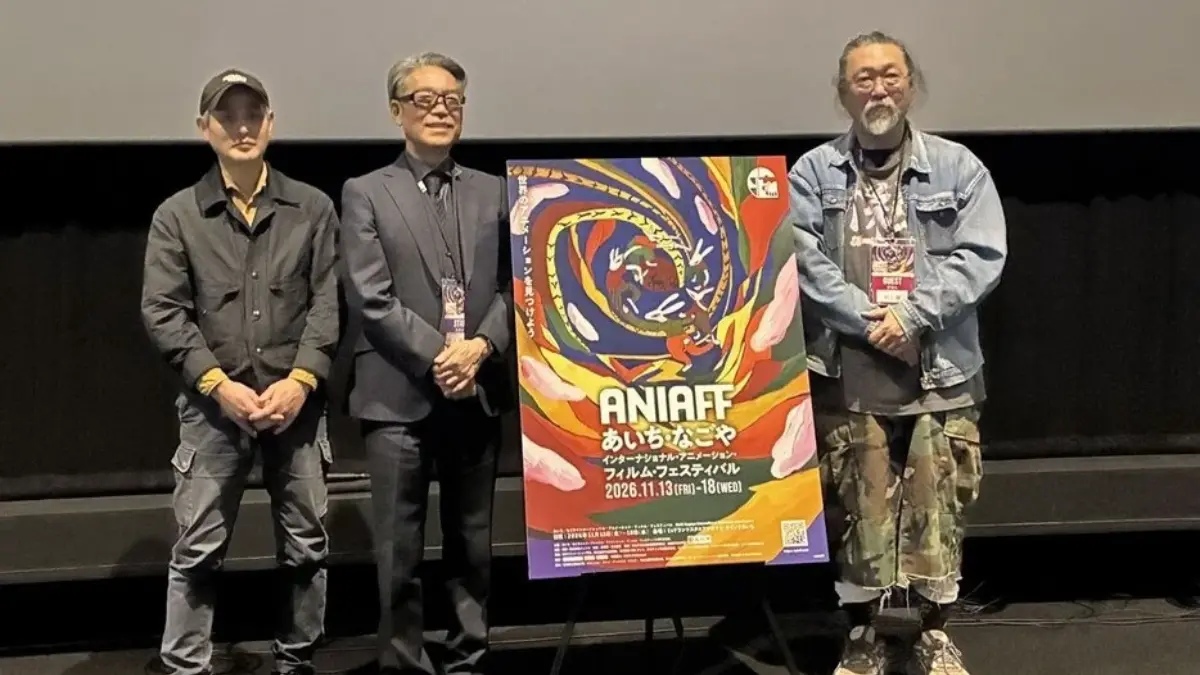
AI can generate illustrations in minutes, imitate artistic styles, and help people create animation and games without the traditional production process. But does the ability to reproduce existing creative work mean that AI can replace the human experiences behind it? Ghost in the Shell director Mamoru Oshii has a rather different perspective. He believes AI can reproduce culture endlessly, but it cannot create history because it lacks something fundamental to human creativity: the memories and experiences that come from actually living.
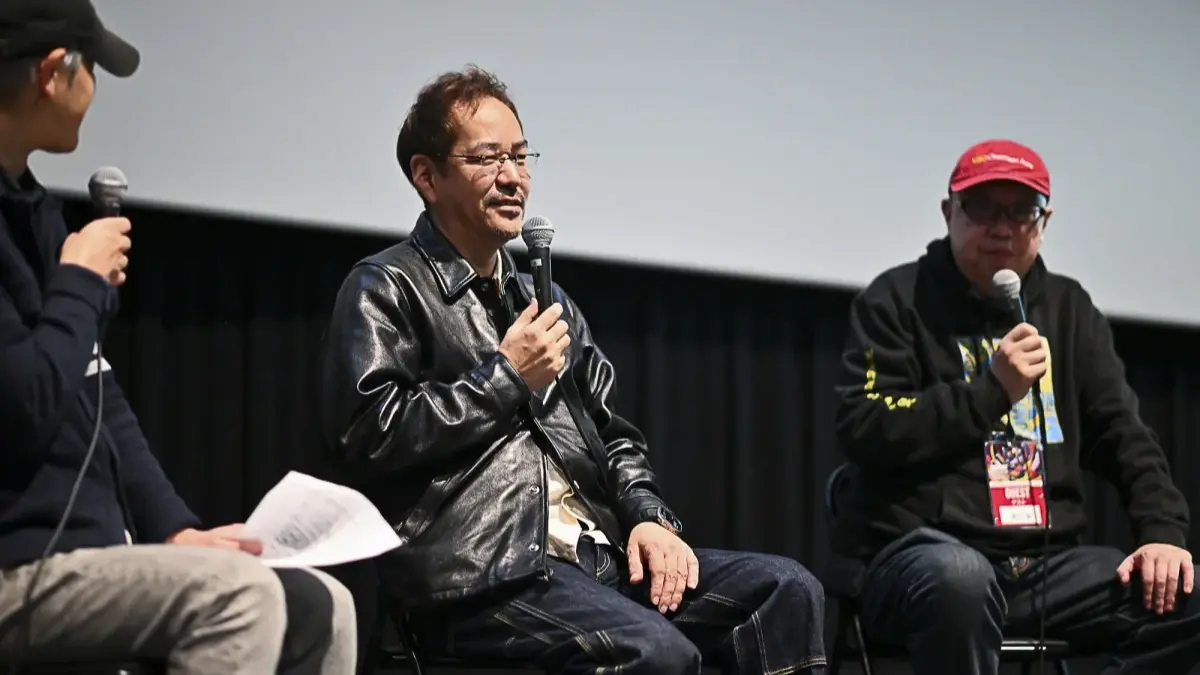
In a new interview discussing his upcoming Armored Trooper VOTOMS: Grey Witch, Oshii offered his thoughts on AI, originality, plagiarism, and the influence that previous generations have on modern creators. Rather than treating AI as a technology that will simply take jobs away from animators and filmmakers, he believes its emergence has revealed something important about why human creators still matter.
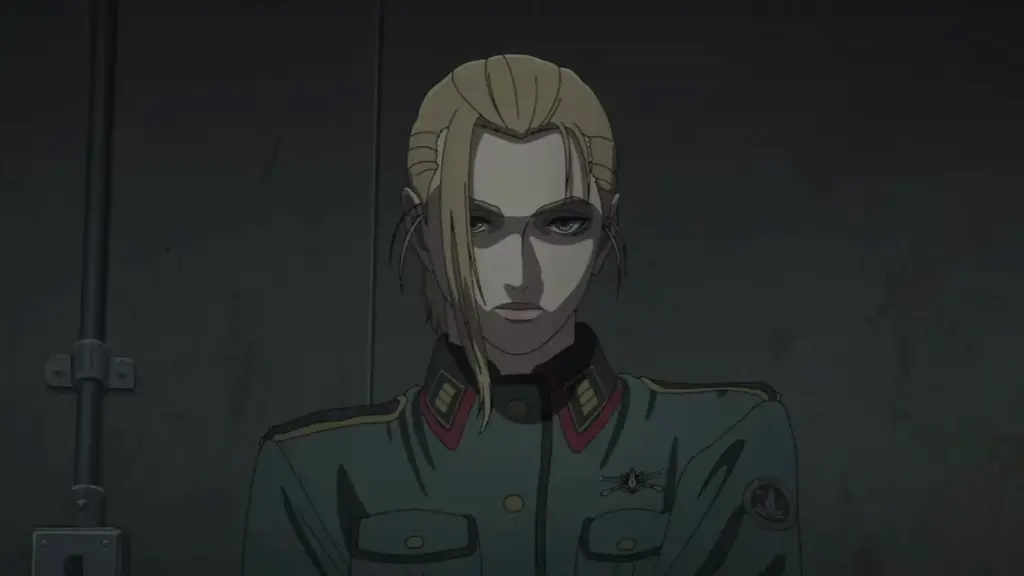
Oshii described AI as a massive meme-reproduction machine, arguing that it can take existing creative material and produce countless variations. However, he believes that no matter how deeply AI integrates into society, it will never leave the kind of historical mark that humans can.
Mamoru Oshii Calls AI a Massive Meme-Reproduction Machine
Oshii believes the growing accessibility of AI has changed how people think about creative work. Anyone can now make illustrations within minutes, while animation and game creation have also become more accessible through emerging tools.
That raises an interesting question about originality. When people can generate countless variations of existing ideas, Oshii wonders what terms such as plagiarism and fake even mean anymore.
He explained:
“I think AI is a massive meme-reproduction machine. It’s a mechanism for proliferation, isn’t it? We’re now living in an era where anyone can make anime, anyone can make games, and illustrations can be created in just a few minutes. In this day and age, I find myself wondering what meaning words like ‘plagiarism’ and ‘fake’ even have.”
However, Oshii doesn’t believe that AI-generated works and human-created works are ultimately the same thing. He argues that people can recognise the difference because human beings create from their experiences and memories.
“You can immediately tell that AI-generated works are different from those created by humans. That’s because humans are living beings. We live through our memories. This is something that AI still hasn’t been able to overcome, and probably never will.”
According to Oshii, this is precisely where human creativity retains its value. People don’t simply reproduce what they have seen. Their experiences, memories, and personal perspectives influence how they interpret the world and turn those observations into creative work.
He even considers this one of AI’s greatest achievements. Rather than proving that human creators have become unnecessary, AI has helped reveal what makes their contributions different.
Oshii Doesn’t Believe AI Will Replace Animators and Film Directors
Despite his criticism of AI’s creative limitations, Oshii isn’t arguing that the animation industry should reject the technology.
In fact, he expects AI to become an essential part of creative production. He believes animators will continue to find work and film directors will still make a living, but working without AI may eventually become difficult.
He explained:
“That’s why animators won’t be put out of work, and film directors will still be able to make a living. However, as a tool, AI is already indispensable. I think it will become difficult to work without it.”
His position is more nuanced than simply supporting or opposing AI. He recognises its usefulness as a production tool, while questioning whether it can develop the human experiences that give creative works their deeper meaning.
Oshii also argued that AI cannot create history because it draws its resources from the past.
“In a sense, AI has no significance beyond being a resource drawn from the past. No matter how deeply it becomes integrated into society, it cannot create history. Only humans can leave their mark on history. I think AI’s greatest achievement has been making that fact clear.”
For Oshii, the distinction matters because culture isn’t just an endless collection of content. It reflects what human beings value and how they express those values through their experiences. Even if technology makes content creation almost unlimited, the fundamental questions surrounding culture and creativity remain unchanged.
Mamoru Oshii Believes Originality Has Always Come From Reinterpreting Existing Works
Oshii’s comments about AI connect directly to another interesting part of the interview: his thoughts on originality and how creative ideas pass between generations.
He discussed the concept of memes in a broader cultural sense, describing them as variations that emerge from things people love. These could be ideas, designs, artistic styles, or creative works that inspire someone to develop something different.
He pointed out that every creator draws inspiration from previous generations. Oshii himself learned from earlier films and directors, and he recognises that his own work carries those influences.
In his view, there is no such thing as a completely original starting point in modern culture. Everyone borrows, references, and reinterprets existing ideas. That process is a natural part of how creative media develops.
The real question, according to Oshii, isn’t whether someone has borrowed an idea. It’s what values they bring to the work and how they transform those influences into something of their own.
He believes creators need to understand what kind of cultural influences shaped them, why they developed those influences, and what they want to express through their work.
Oshii explained that recognising oneself as part of this chain of cultural influence is also part of understanding the meaning of creating something.
“If there is no awareness of that, you end up with nothing more than a copy. Among countless copies, if someone is going to appreciate your work while you’re alive, you need to show them the reasons behind it.”
He also pointed out that this applies to far more than film directors. Manga artists, novelists, and editors all face the same question when they create something influenced by existing works.
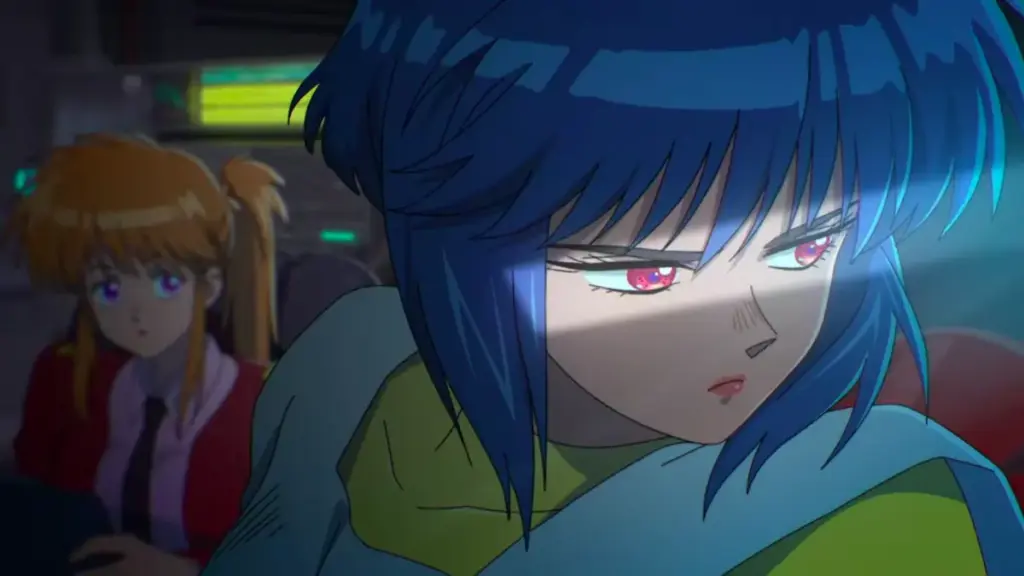
Oshii doesn’t consider the boundaries between mainstream culture and subculture, or between academic subjects and entertainment, particularly important either. He believes the interesting part often comes from the unclear boundaries between them.
This perspective also helps explain why some of his films move between conventional entertainment, challenging ideas, and artistic expression. He says he doesn’t necessarily set out to make something deliberately difficult or artistic. Those qualities emerge naturally from the momentum of the work.
Why Mamoru Oshii Didn’t Make Chirico the Protagonist of His New VOTOMS Project
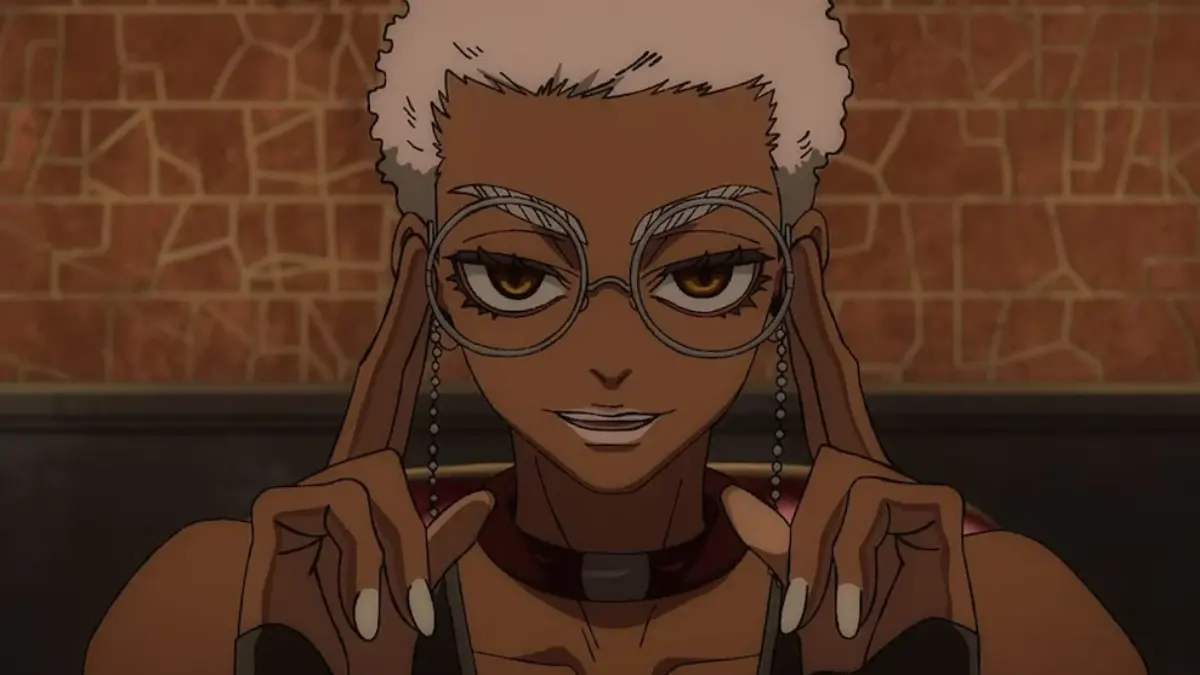
The interview also offers a closer look at Oshii’s approach to Armored Trooper VOTOMS: Grey Witch, his new project based on the long-running Armored Trooper VOTOMS franchise.
Oshii revealed that the project had been in development for nearly three years. He joked that the production had already celebrated his birthday twice, although the process had felt surprisingly quick despite its length.
He said he had always expected that he would eventually work on VOTOMS, so the opportunity didn’t come as a complete surprise. However, adapting an established franchise brought its own difficulties.
Oshii understood that he was taking responsibility for a property associated with Sunrise and Bandai Namco. He didn’t approach the project with absolute confidence that he couldn’t make mistakes. Instead, he admitted that he felt uncertain about how the production would turn out.
One of his biggest decisions involved the characters.
Oshii knew that VOTOMS had an established character identity, including its familiar image of a rather gloomy protagonist and a strong-willed female character. However, he said those character types didn’t appeal to him, so he wanted to approach the characters differently.
He deliberately chose not to make Chirico the protagonist.
Oshii believes Chirico belongs to original VOTOMS director Ryosuke Takahashi. Rather than taking over that character’s story, he decided to begin with a different person, a different era, a different battlefield, and different characters.
This gave him room to tell a story that reflected his own approach without simply repeating what Takahashi had already created.
He also challenged the idea that an adaptation must preserve every detail of its source material. Oshii believes the expectation that creators shouldn’t change even a single detail is misguided.
For him, adapting an established work requires more than copying its existing elements. A director needs to understand the original material, take inspiration from it, and reshape those influences through their own creative perspective.
Oshii Says Every Film Is a Copy of Something That Came Before It
Oshii’s approach to VOTOMS connects directly to his views on originality.
He argued that completely original works don’t really exist in filmmaking because directors inevitably draw from their memories of other films. The distinction between copying, plagiarism, and paying respect to an earlier work becomes less important than what the filmmaker does with those influences.
He explained:
“A truly original work doesn’t exist anywhere, especially when it comes to film. At the stage of making a film adaptation, the original work itself is already, in some way, a copy of something else. When expressing something, particularly in film, I think you can only create films from your memories of cinema.”
Oshii believes a director’s job involves editing those influences and turning them into something that reflects their own perspective.

That’s also why he doesn’t see the decision to change VOTOMS as an attempt to disrespect its original identity. He understands that fans have strong attachments to established franchises and that some viewers may enjoy his work while still arguing that it doesn’t feel like VOTOMS.
He has faced similar reactions before. When he worked on Patlabor: The Movie, some viewers also questioned whether his approach truly represented the franchise.
Oshii said he has long since stopped feeling particularly interested in making original films of his own. Even when he worked on Ghost in the Shell, he felt that adapting existing source material made the creative process easier.
He also joked that his original works, including Tachiguishi-Retsuden and Gosenzosama Banbanzai!, tend to receive unfavourable reviews. He personally likes those works, but understands that they don’t appeal to everyone.
Rather than worrying about criticism, Oshii believes a director needs the courage to make decisions and take responsibility for them.
He said he doesn’t particularly care whether people attack him personally. What matters more is that the staff who supported the production don’t suffer because of his decisions. For him, a director’s fundamental responsibility is to take responsibility for the work and the people who helped create it.
Working on VOTOMS Meant Getting Approval From Its Original Director
Oshii also discussed his relationship with Ryosuke Takahashi, the original VOTOMS director.
The two had met several times, and Oshii understood from the beginning that their creative interests weren’t exactly the same because they belonged to different generations.
That difference actually made the collaboration easier. Takahashi gave Oshii the freedom to approach the project in his own way, telling him to do what he wanted.
Nevertheless, Oshii didn’t want to create something that would leave the original director uncomfortable.
He recalled feeling nervous during the first screening because Takahashi sat right beside him. Once the screening ended, Oshii immediately looked towards him and asked what he thought.
Takahashi didn’t offer a detailed discussion of the story or its themes at the time. Instead, he thanked Oshii for making the work carefully.
The response reassured Oshii, although he hopes to meet Takahashi again and hear his thoughts more casually over a drink.
The conversation also touched on something Oshii finds increasingly difficult about working in the animation industry. At 75, he has become one of the oldest directors on many productions. His own mentor passed away more than a decade ago, and only a handful of directors from older generations remain.
He explained that it’s now difficult to receive honest feedback from someone who shares the same position but belongs to an older generation. Producers may look at a film differently, while fellow directors can sometimes find it difficult to criticise another director’s work openly.
For Oshii, that loss of creative exchange between generations is significant.
Oshii Says Human Lifespans Are Too Short to Pass Experiences Between Generations
Towards the end of the interview, Oshii shared a particularly thoughtful observation about age, memory, and the difficulty of communicating experiences to younger generations.
He believes younger people often worry about their identities and what they should create because they haven’t yet recognised the influences that shaped them.
Oshii suggested that people gain a clearer understanding of their own lives as they grow older. They eventually recognise that their experiences often follow paths that others have travelled before them.
He also discussed how the same work can create entirely different experiences depending on when someone encounters it.
A film or book that someone reads during their youth may feel completely different when they revisit it in their forties or fifties. The work itself hasn’t changed, but the person’s accumulated experiences have changed how they understand it.
Oshii said he has recently found himself returning to books he read when he was younger instead of constantly seeking out new writers. Revisiting those works allows him to discover meanings he couldn’t recognise earlier because he hadn’t yet experienced enough of life.
However, he believes people cannot easily pass those experiences on to someone from another generation.
He expressed that thought with one of the most striking observations in the interview:
“To pass a certain thought on to a different generation, human lifespans are far too short. That’s why humans repeat the same mistakes.”
It’s a fitting conclusion to his wider discussion about AI and human creativity. Technology can reproduce existing ideas, generate variations, and make creative tools more accessible. But the memories and experiences that shape how people interpret those ideas remain tied to human lives.
For Oshii, that’s what separates endlessly reproducing existing content from creating something that leaves a mark on history.
What do you think about Mamoru Oshii’s argument? Can AI ever develop the kind of cultural understanding that comes from human experiences, or will it always remain a tool for reproducing what already exists?
Bookmark Otaku Mantra for more anime industry news, creator interviews, and stories exploring the people and ideas shaping Japanese animation.
Source: Akane Magazine