Yu-Gi-Oh! nearly lost its anime adaptation before it became a global phenomenon, according to a newly published interview with former anime producer Yoshiro Kataoka. The producer revealed that Kazuhiko Torishima, the Weekly Shonen Jump editor-in-chief at the time, threatened to revoke Dragon Ball’s secondary usage rights from Toei Animation to push the company to allow another Yu-Gi-Oh! anime adaptation.
In an interview published by Kaishi Professional University, Kataoka recalled how the first Yu-Gi-Oh! TV anime ended after failing to achieve strong television ratings, even as the manga was gaining popularity among Weekly Shonen Jump readers.
Torishima did not want the anime to end at that point. He approached Kataoka, who was working at advertising agency Asatsu-DK, and asked him to get another Yu-Gi-Oh! anime produced and broadcast as quickly as possible.
However, the situation was complicated by existing broadcast and secondary usage rights held by Toei Animation and TV Asahi. According to Kataoka, Torishima responded by using Shueisha’s influence over its major anime properties to force the issue.
Yu-Gi-Oh! Anime Was Cancelled After Poor TV Ratings
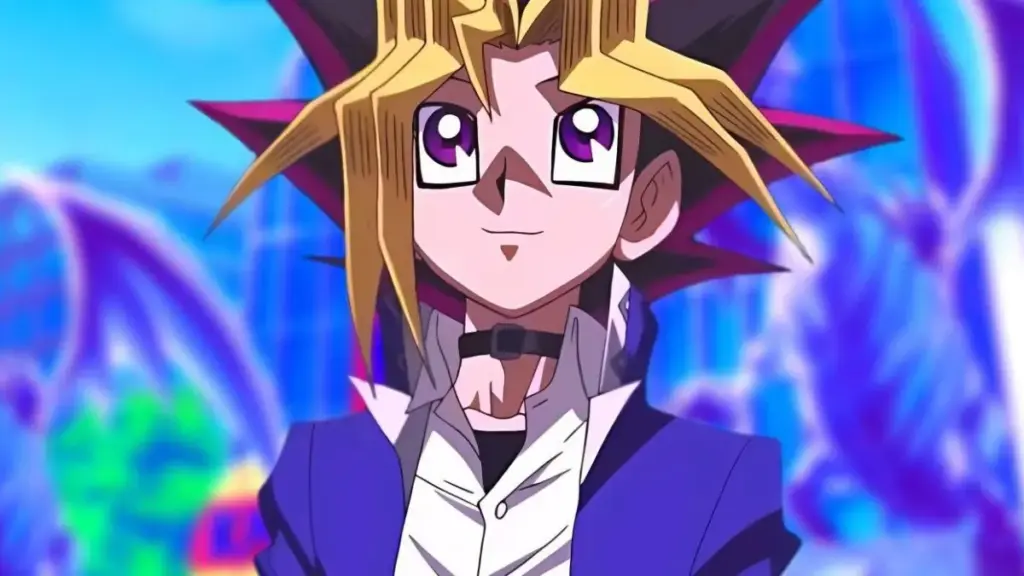
The first Yu-Gi-Oh! TV anime premiered in April 1998, airing on TV Asahi with animation production by Toei Animation. The series ran for six months and produced 27 episodes before its broadcast ended because of poor ratings.
However, the manga’s popularity was heading in a different direction.
Kataoka recalled that Weekly Shonen Jump reader surveys were performing extremely well at the time. He believed it made little sense to stop the anime just as the manga was gaining traction with readers.
Torishima, who served as Weekly Shonen Jump‘s editor-in-chief, shared that concern. He approached Kataoka at Asatsu-DK and asked him to find a way to continue the anime.
Kataoka recalled Torishima telling him:
“The Yu-Gi-Oh! anime is going to end, but the Jump reader surveys are doing incredibly well. It’s ludicrous to stop broadcasting the anime at a time like this. So, please turn this into an anime and get it on air, no matter what.”
Kataoka agreed that Asatsu-DK could likely secure a broadcast slot on TV Tokyo and find sponsors through its industry connections. But there was a serious obstacle: the existing rights arrangements made it difficult to produce another anime under the same title.
Shonen Jump Editor Threatened To Revoke Dragon Ball Rights
Kataoka explained that under the broadcasting industry’s arrangements at the time, TV Asahi retained the rebroadcast rights to Toei’s 27 Yu-Gi-Oh! episodes for approximately two and a half years after the series ended.
During that period, Toei also controlled merchandising and other secondary uses of the existing anime. That made it difficult for a different production arrangement to launch another Yu-Gi-Oh! anime while the original rights remained in effect.
Kataoka warned Torishima that moving the series to TV Tokyo could provoke a serious dispute with both Toei and TV Asahi.
Torishima’s response, according to Kataoka, was that he would handle the negotiations himself.
When Torishima approached Toei Animation, the company reportedly rejected his proposal. He then made an extraordinary threat involving one of Shueisha’s most valuable franchises.
Kataoka recalled Torishima saying:
“Are you sure you want to say that? If that’s how you want to play ball, then here’s my trump card: I’ll revoke all secondary usage rights for Dragon Ball.”
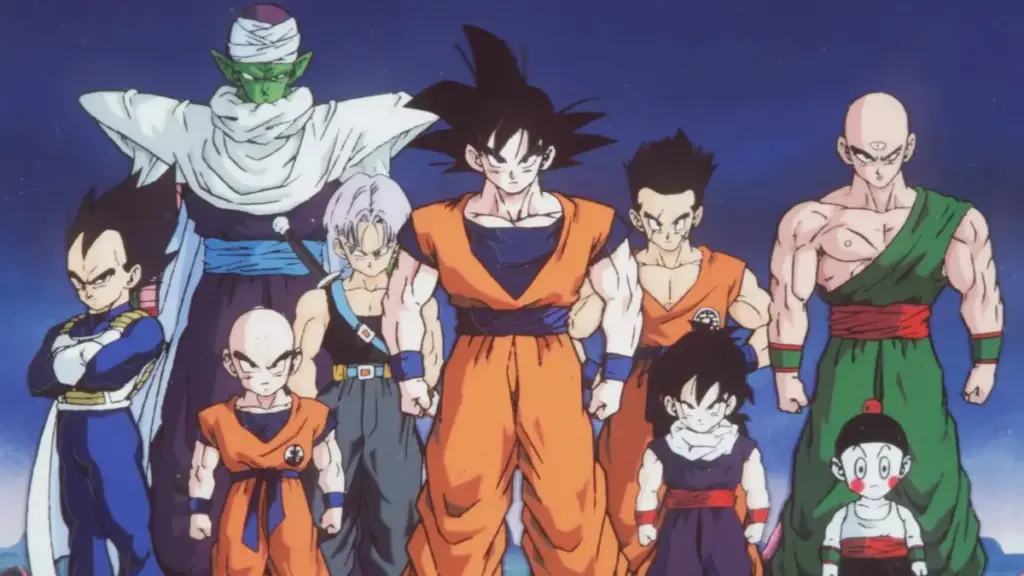
Torishima also threatened to pull anime titles that TV Asahi was broadcasting under arrangements connected to Shueisha’s manga properties. Kataoka specifically mentioned Hell Teacher: Nube among the shows involved.
According to the producer, Torishima used the influence of Weekly Shonen Jump and Shueisha to push Toei and TV Asahi to back down.
Kataoka said he only learned about the confrontation afterward. He was not directly involved in those discussions and had not known what Torishima was doing behind the scenes.
How Yu-Gi-Oh! Duel Monsters Became A Hit
With the way cleared for a new adaptation, Kataoka helped produce Yu-Gi-Oh! Duel Monsters, the anime that would go on to become the franchise’s best-known television series.
The production team approached the new anime differently from its predecessor. Kataoka said he instructed the staff to make a series that would help viewers understand how to win the Yu-Gi-Oh! card game.
He brought people familiar with the trading card game into the production process so they could explain winning strategies and effective card combinations. The team then incorporated that knowledge into the anime. Kataoka said that approach helped the new series become a major hit.
Yu-Gi-Oh! Duel Monsters went on to establish the card game as a central part of the franchise’s identity, helping the series expand beyond manga and television into a global trading card game phenomenon.
The anime also introduced the world to Shunsuke Kazama as the voice of Yugi Mutou. Kataoka discussed the casting process in the interview as well, but the most consequential decision behind the anime’s revival was securing the opportunity to produce the new series in the first place.
Kazuhiko Torishima’s Intervention Changed Yu-Gi-Oh!’s Future
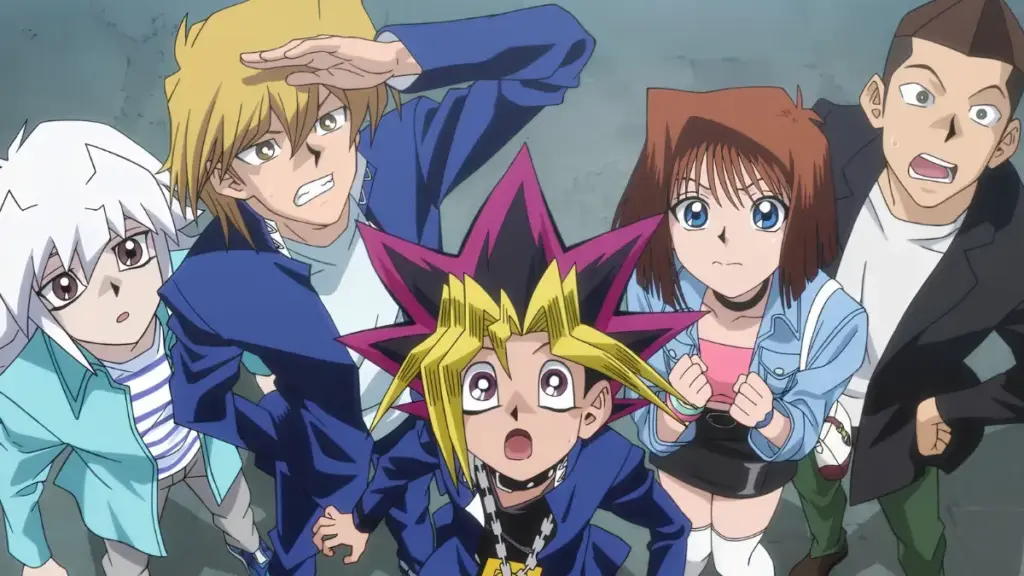
Torishima’s involvement highlights how much influence manga editors and publishers could wield over anime production during that period.
At the time, the original Yu-Gi-Oh! anime had ended after a relatively short run, even though the manga was gaining momentum. Without another adaptation, the franchise might have taken a very different path.
Torishima pushed for a second anime because he believed the manga’s growing popularity deserved another opportunity on television. When existing rights arrangements threatened that plan, he used Shueisha’s relationship with Toei and TV Asahi to challenge the situation.
Kataoka’s account suggests that the revival of the Yu-Gi-Oh! anime was not simply a matter of a production committee deciding to try again. It required negotiations over broadcast rights, sponsors and the business relationships linking major Japanese media companies.
The producer’s recollection also offers a glimpse into the industry’s behind-the-scenes power dynamics, where a senior manga editor could leverage the importance of one franchise to help secure the future of another.
Yu-Gi-Oh! Could Have Had A Very Different Future
Today, Yu-Gi-Oh! is recognized worldwide for its anime adaptations, trading card game and extensive merchandise. It is difficult to imagine the franchise without Duel Monsters and its iconic duels between characters such as Yugi Mutou and Seto Kaiba.
However, Kataoka’s interview reveals that the anime’s path was far from guaranteed. The original Toei adaptation ended after 27 episodes, and existing rights arrangements complicated efforts to launch a replacement.
Torishima’s intervention helped clear the way for another adaptation, while the new production’s focus on the mechanics and strategies of the card game gave Duel Monsters a distinct identity.
The story is a reminder that even franchises that later become global successes can face critical turning points early in their history.
Without Torishima’s determination to get the anime back on television, Yu-Gi-Oh! might have developed very differently. His reported threat to revoke Dragon Ball’s secondary usage rights remains one of the most striking details in Kataoka’s account of how the anime found a second chance. Bookmark Otaku Mantra for more anime news and updates!
About Yu-Gi-Oh!
Yu-Gi-Oh! is a Japanese manga franchise created by Kazuki Takahashi. The original manga follows Yugi Mutou, a teenager who becomes connected to an ancient Egyptian spirit and uses his skills in games to challenge opponents.
The first television anime adaptation, produced by Toei Animation, aired in Japan in 1998 and ran for 27 episodes. Yu-Gi-Oh! Duel Monsters, which premiered in 2000, became the franchise’s best-known anime adaptation and helped popularize the Yu-Gi-Oh! trading card game internationally.
The franchise has since expanded through multiple anime series, films, video games, trading card products and other media, becoming one of the most recognizable card-game entertainment brands worldwide.
Source: Kaishi Professional University