Why do some manga become anime almost immediately, while other popular series never receive an adaptation? According to anime producer Yusuke Onuki, the answer often has less to do with how good or popular a manga is and more to do with the business structure behind modern anime production.
Onuki, president of Bushiroad Move and an anime producer who has worked on numerous projects, explains the changing anime business in his book Anime Business: Anime Knowledge That Makes Manga, Novels, and Anime 100 Times More Interesting.
One of the biggest factors he highlights is the growing importance of overseas streaming platforms.
Overseas Streaming Money Can Decide Whether An Anime Gets Made
When people hear “overseas streaming platforms,” they might immediately think of services such as Netflix or Disney+.
However, Onuki points out that anime-focused international streaming platforms also have significant influence over the industry. Multiple platforms compete to acquire overseas streaming rights for anime, and the amount they are willing to pay can directly affect an anime project’s financial viability.
In the industry, producers pay close attention to how much an overseas platform is willing to offer for a title.
Onuki explains that the amount of MG (Minimum Guarantee) a platform offers can become important enough to determine whether a project moves forward.
In some cases, even a manga that is already popular in Japan may struggle to attract enough production committee investors if the expected overseas MG is low.
On the other hand, a manga that has not yet become particularly popular in Japan could still see its anime project progress if overseas platforms offer strong financial terms.
That means Japanese popularity alone does not necessarily guarantee an anime adaptation.
What Is MG In Anime Streaming?
One of the key terms in the anime business is MG, or Minimum Guarantee.
An MG is money that a streaming company pays to the rights holder in advance based on its expectations for how much the content will be watched.
In practical terms, it can function somewhat like an upfront purchase price for an anime episode or series.
For example, a streaming platform may guarantee payment based on an expected level of viewing before the anime even begins streaming.
If the anime performs beyond the amount covered by the MG, additional payments can come through a revenue-sharing arrangement, depending on the contract.
How Revenue Share Works
The other major concept is revenue share.
Rather than relying entirely on an upfront guarantee, a platform can distribute additional payments based on the amount of viewing generated by the anime.

Some contracts can establish an MG covering a certain amount of viewing, with additional viewing generating further payments.
Other arrangements can operate without an MG and rely on revenue sharing instead.
Onuki compares the concept to the general idea behind YouTube’s revenue model, where earnings can increase as viewing increases.
Together, MG and revenue sharing form an important part of the financial relationship between streaming platforms and anime rights holders.
A 12-Episode Anime Can Cost Around ¥350 Million
The financial pressure becomes clearer when looking at the cost of producing an anime.
According to Onuki, a typical 12–13 episode late-night anime season costs around ¥350 million in total production expenses on average.
A large portion of that money needs to be secured before the anime begins airing.
The production side has to cover expenses such as:
- Animation production
- Studio costs
- Animator work
- Voice recording
- Sound production
- Photography and compositing
- Music production
- Promotion and advertising
This is why production committees need to carefully consider where the project’s revenue will come from before committing to an adaptation.
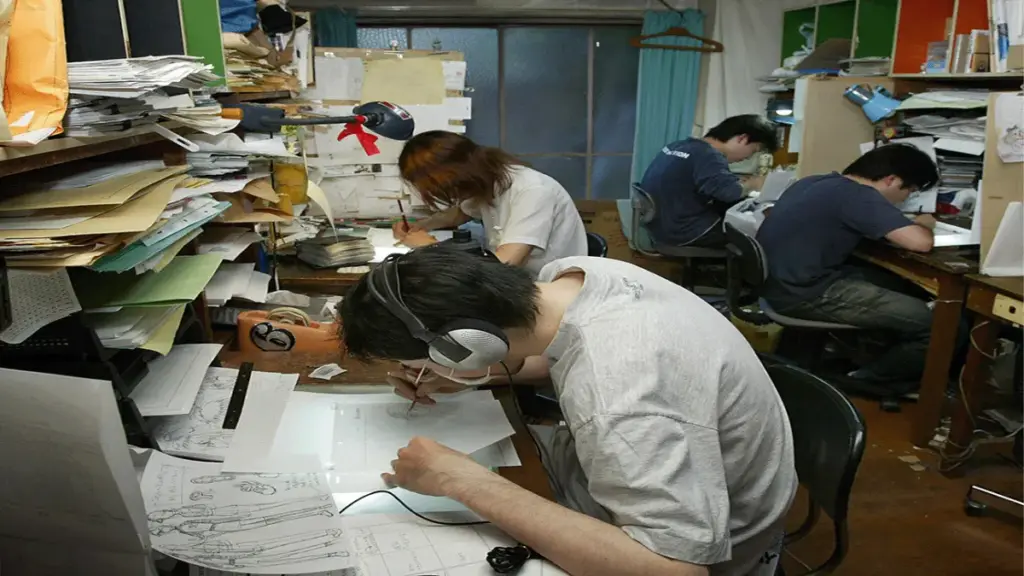
An overseas streaming deal can therefore become an important part of the financial equation.
The Importance Of An Anime’s Streaming Window
Another term Onuki highlights is the “streaming window.”
Simply put, a streaming window determines where, when, and in which regions an anime becomes available.
An anime could have a deal where:
- Netflix receives exclusive streaming rights.
- A platform streams episodes before television broadcasts.
- An anime becomes available simultaneously around the world.
- A specific overseas anime streaming service receives exclusive rights in certain regions.
These arrangements can significantly affect an anime’s revenue.
Why Streaming Exclusivity Matters
The value of an anime can change depending on its streaming conditions.
For example, an exclusive streaming deal can offer significant value to a platform because popular content can potentially encourage viewers to sign up for the service.
From the platform’s perspective, anime isn’t simply another piece of content. A highly anticipated series can also become a tool for attracting subscribers.
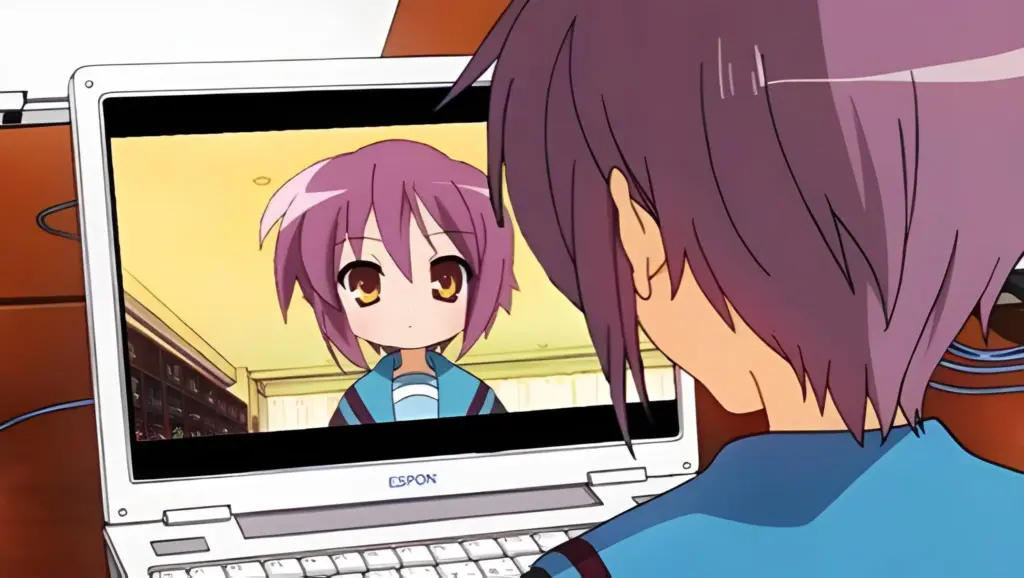
This is why streaming platforms may offer different financial terms depending on the title, its expected popularity, and the conditions surrounding its distribution.
At the same time, an anime that becomes available across numerous services simultaneously has less exclusive value for any individual platform.
The exact financial conditions still depend on the individual project and its contracts.
Why Popular Manga Can Still Miss Out On An Anime
This helps explain why a popular manga doesn’t automatically receive an anime adaptation.
A production committee has to consider much more than the manga’s readership.
It needs to determine whether enough funding can be secured, how the anime will generate revenue, which markets it can reach, and what kind of distribution agreements are available.
If the expected overseas streaming revenue does not provide enough financial support, attracting the necessary investors can become difficult.
Meanwhile, a title that has not yet become a huge domestic hit could potentially attract stronger overseas interest and receive better financial terms from international platforms.
In other words, the question isn’t simply “Is this manga popular?”
The industry also has to ask:
“Can this anime project make financial sense?”
Overseas Audiences Have Become Increasingly Important
The growing influence of overseas streaming reflects how much the anime business has changed.
Anime is no longer financially dependent only on its Japanese television broadcast and domestic audience. International streaming, merchandise, music, theatrical releases, and other businesses can all contribute to an anime’s overall revenue structure.
For producers, understanding the international market has therefore become an important part of deciding which projects can move forward.
Onuki’s explanation also offers fans a different way to look at anime adaptations.
The next time you find yourself wondering why a popular manga has never received an anime, its popularity in Japan may only be one part of the answer.
The project’s overseas streaming potential, MG offers, distribution strategy, and overall production economics can all play a role in determining whether an adaptation becomes financially viable.
Bookmark Otaku Mantra for more anime news and updates!
About Anime Business
Anime Business: Anime Knowledge That Makes Manga, Novels, and Anime 100 Times More Interesting is a book by Yusuke Onuki, president of Bushiroad Move and an anime producer.
The book explores the business structure behind modern anime, including the relationship between manga, novels, anime production, overseas streaming, social media, music, merchandising, and other revenue sources.
Onuki’s discussion highlights how anime adaptations involve financial and distribution considerations beyond a manga’s popularity, with overseas streaming platforms, Minimum Guarantees, revenue sharing, and streaming windows playing important roles in the modern anime business.
Source: Gendai Media