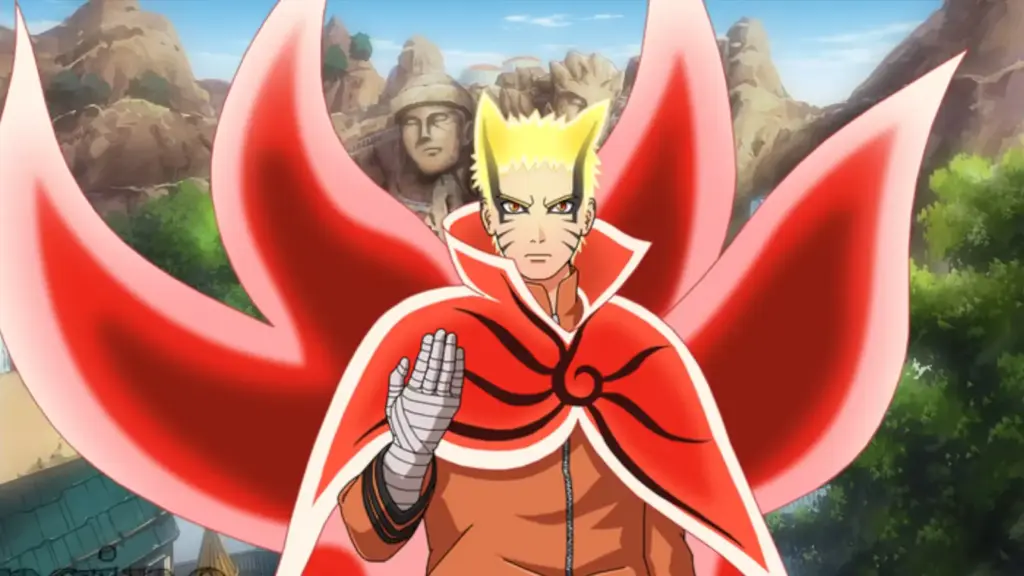
Kenshi Yonezu, one of Japan’s most celebrated musicians and the artist behind theme songs for numerous anime, has revealed that Masashi Kishimoto’s Naruto was the first Weekly Shonen Jump manga he ever read and the series that inspired him to dream of becoming a manga artist before ultimately leading him toward a career in music.
Yonezu shared the story as part of Shueisha Manga Expo, where he selected memorable manga that shaped his life and career. Alongside Naruto, he also reflected on Hikaru no Go and Death Note, while recommending Chainsaw Man, My Hero Academia, and Kingdom to readers today.
Naruto Inspired His Childhood Dream of Becoming a Manga Artist
Reflecting on his childhood, Yonezu revealed that Naruto was the very first Jump manga he ever read. The series had such a profound impact on him that it inspired him to pursue a career as a manga artist during elementary school.
However, he admitted that the same series also convinced him that he could never match Masashi Kishimoto’s artistic talent.
“Naruto was the first Jump manga I ever read. It was also the manga that inspired me to become a manga artist when I was in elementary school—and, at the same time, the one that gently made me give up on that dream.”
Yonezu recalled spending countless hours drawing Naruto characters in his sketchbooks.
“Back then, I used to copy Naruto’s characters into my sketchbook all the time. But the more I copied them, the more I realized just how unbelievably good Kishimoto’s artwork was, and I was completely stunned.”
As a child, he believed only exceptionally gifted artists could become professional manga creators.
“I convinced myself that only someone extraordinary enough to produce artwork like that every single week could become a manga artist. So I ended up choosing to become a musician instead—as if I were running away.”
Looking back now, Yonezu says he sees things differently.
“Now that I’m an adult, I also find myself wondering just how many manga artists are actually as skilled at drawing as Kishimoto.”
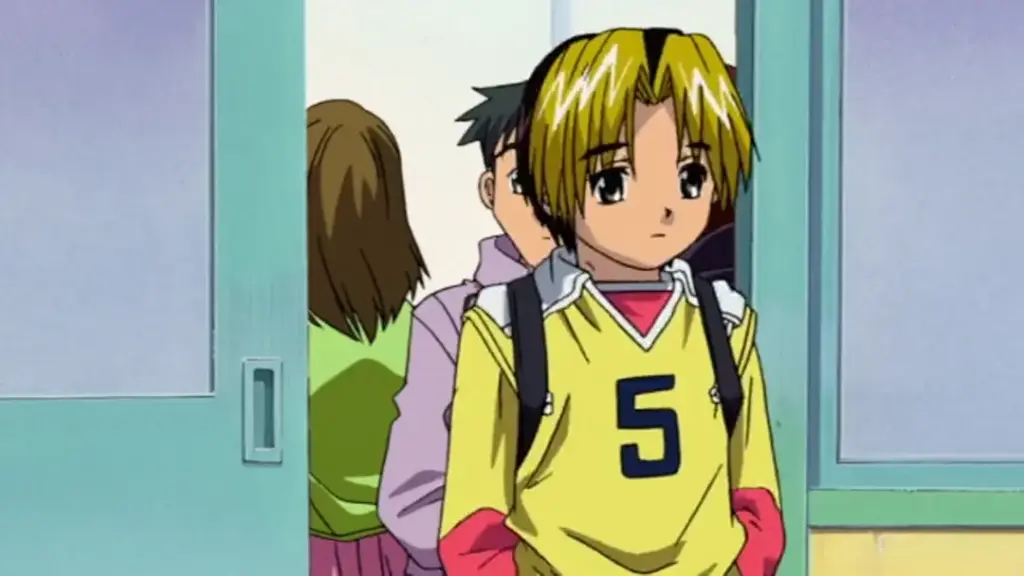
Hikaru no Go Left a Different Impression as an Adult
Yonezu also spoke about Hikaru no Go, recalling how the series became a huge phenomenon among his classmates when he was in middle school.
“When I was in middle school, Hikaru no Go became incredibly popular around me, and I remember my friends starting to play Go because of it.”
He explained that rereading the manga as an adult completely changed the way he viewed the story.
“The impression I had of Hikaru no Go as a child was completely different from the impression I had after reading it again as an adult.”
According to Yonezu, the manga’s themes of growth and loss resonated much more deeply later in life.
“As we grow older, we inevitably experience losing things that once meant a great deal to us. Hikaru’s journey of becoming stronger after experiencing such a great loss has a beauty that adults can truly understand.”
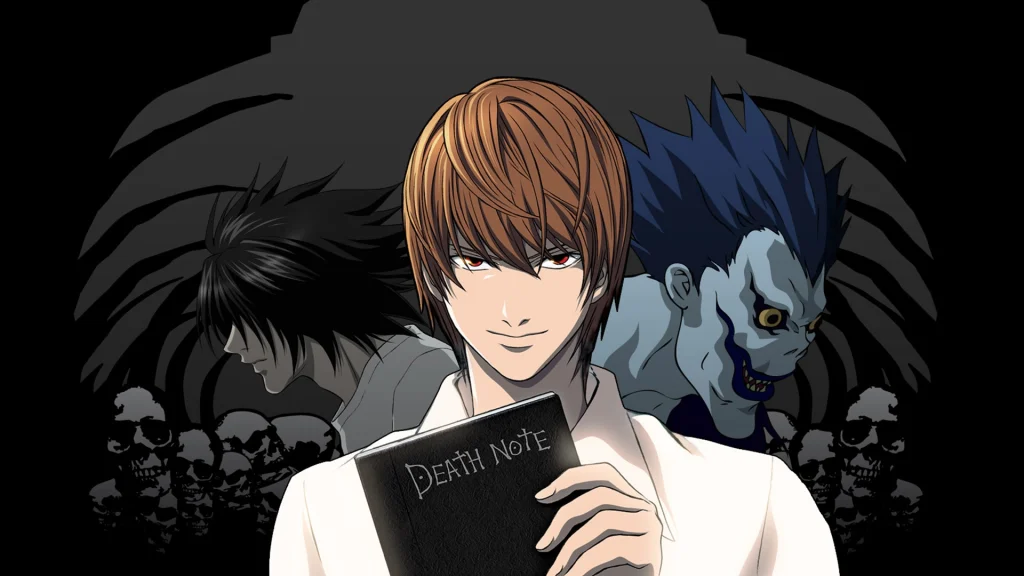
Death Note Still Influences the Way He Creates Music
When discussing Death Note, Yonezu shared a memorable story from his school days that continues to influence his creative process even now.
He recalled that the manga was immensely popular while he was in middle and high school, with classmates talking about each new chapter every week.
Rather than focusing on the series itself, he remembered one particular classmate who had been reading Death Note weekly but somehow missed one of the manga’s biggest developments.
“After the first part ended and the second part had already begun, one of my classmates who read Death Note every week suddenly asked, ‘Did L die?'”
Yonezu believed his classmate had skimmed through the manga’s dialogue and internal monologues, causing him to miss one of the story’s most significant moments.
That memory has remained with him ever since.
“Whenever I’m making music, I often remember him. I find myself wondering whether my work reaches people like it reached him, or whether, like Death Note, it offers different ways for different people to enjoy it.”
From Manga Fan to One of Anime’s Biggest Musicians
Although Yonezu ultimately chose music over manga, he would go on to become one of Japan’s most influential artists, creating songs for numerous anime and film projects.
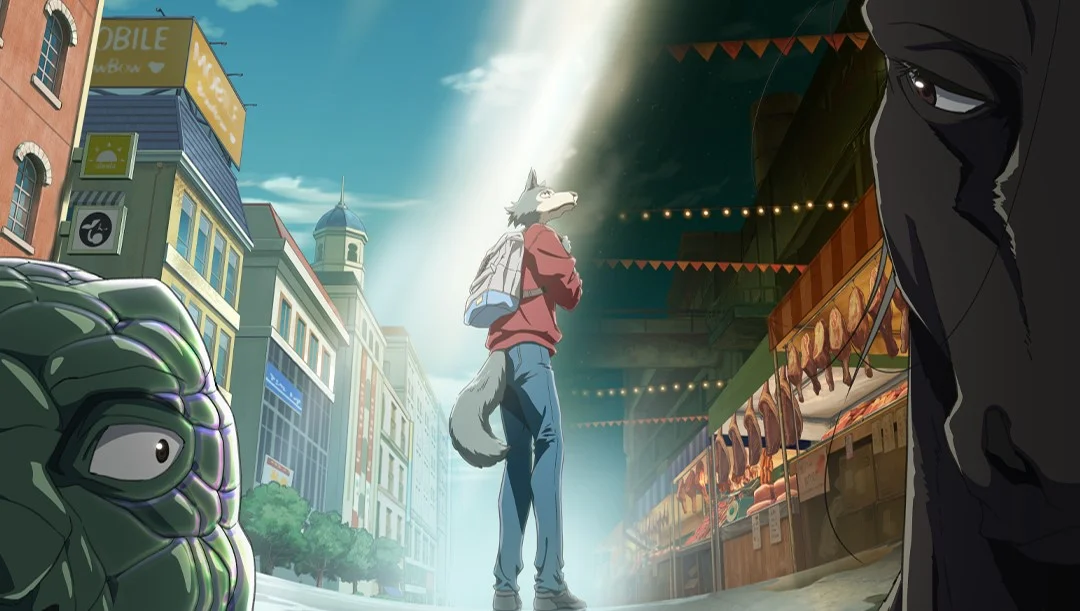
His anime works include Peace Sign for My Hero Academia, KICK BACK for Chainsaw Man, Spinning Globe for The Boy and the Heron, BOW AND ARROW for Medalist, and Plazma for Mobile Suit Gundam GQuuuuuuX.
More recently, he composed Karasu as the official theme song for NHK Soccer 2026 and Yotaka for the live-action film Kingdom: Tamashii no Kessen. He is also set to begin his Kenshi Yonezu 2026 TOUR / GHOST later this year.
His reflections for the Shueisha Manga Expo offer fans a rare glimpse into how some of Weekly Shonen Jump’s most iconic manga helped shape not only his childhood but also the creative philosophy that continues to guide his music today.
Bookmark Otaku Mantra for more anime news and updates!
About Kenshi Yonezu
Kenshi Yonezu is a Japanese singer-songwriter, composer, producer, and illustrator. He first gained recognition under the name Hachi as a Vocaloid producer before launching a solo career that has made him one of Japan’s most successful contemporary artists.
His hit songs include Lemon, Paprika, Peace Sign, KICK BACK, Uma to Shika, Spinning Globe, BOW AND ARROW, and Plazma. Over the years, he has contributed theme songs to numerous anime, films, and television productions, earning both domestic and international acclaim. Beyond music, Yonezu is also known for his illustration work and his long-standing appreciation for manga, which has frequently influenced his creative journey.