Legendary manga creator Tetsuya Chiba, best known for the iconic boxing manga Ashita no Joe, has died at the age of 87. His death was announced on October 27, 2026, marking the loss of one of the most influential figures in Japanese manga history.
Chiba, whose real name was Tetsuya Chiba, passed away at a Tokyo hospital on October 22, according to a statement released by his family. Over a career spanning nearly seven decades, he created stories that captivated generations of readers, helped shape sports manga, and left an enduring mark on Japanese popular culture.
From the struggle and determination of Joe Yabuki in Ashita no Joe to the adventures of Ore wa Teppei, Chiba’s work celebrated perseverance, ambition, and the human spirit. His legacy extends far beyond the pages of his manga, inspiring readers and fellow creators who grew up with his stories.
Tetsuya Chiba Leaves Behind a Legacy That Shaped Manga History
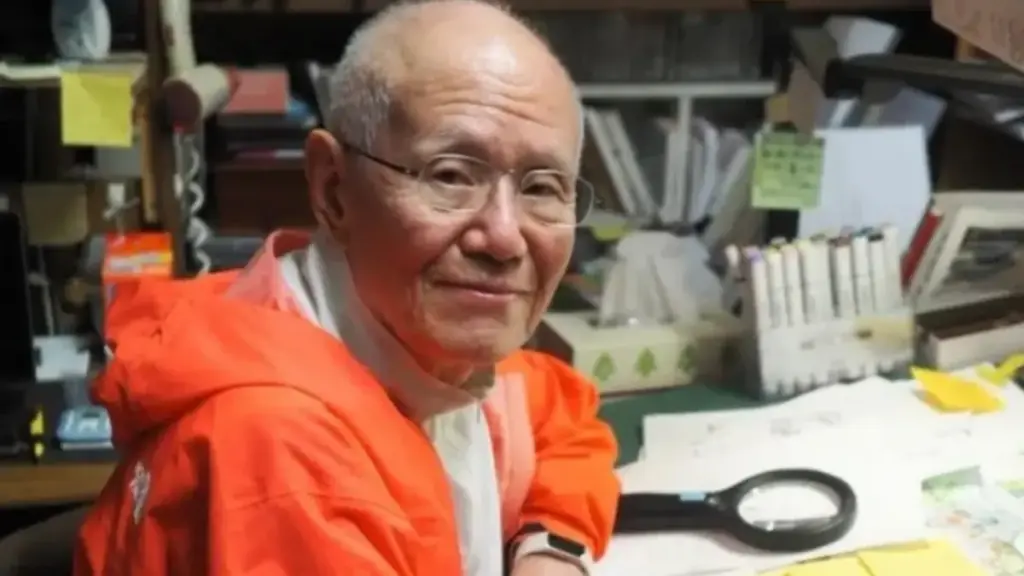
Born on January 11, 1939, in Tokyo, Chiba experienced a turbulent childhood shaped by the Second World War. His family moved to Japanese-controlled Manchuria when he was young, and they returned to Japan in 1946, after the war ended.
Chiba began developing his interest in manga as a child. In 1950, he joined a manga circle formed by a friend, taking his first steps toward the career that would eventually make him a household name in Japan.
He made his professional debut in 1956 and began serializing manga in magazines in 1958. His early works helped him establish himself as a storyteller capable of bringing energy, emotion, and personality to his characters.
Over the years, Chiba became known for far more than a single genre. His works explored baseball, boxing, golf, sumo wrestling, and other subjects, often following young protagonists confronting difficult circumstances as they pursued their ambitions.
Among his major works are Ashita no Joe, Ore wa Teppei, Harris no Kaze, Shiden-kai no Taka, Ashita Tenki ni Naare, Notari Matsutaro, Yuki’s Sun, and 1, 2, 3 and 4, 5, 6.
Yet one work would become inseparable from his name and establish his place among manga’s most celebrated creators.
Ashita no Joe Became a Landmark in Sports Manga
Created by Chiba alongside writer Ikki Kajiwara, who also used the name Asao Takamori, Ashita no Joe follows Joe Yabuki, a troubled young man who discovers boxing and dedicates himself to becoming a professional fighter.
The series became a cultural phenomenon through its depiction of poverty, personal struggle, fierce competition, and the sacrifices demanded by ambition. Joe was not a conventional hero who always made the right decisions. He was impulsive, flawed, and frequently forced to confront the consequences of his own choices.
That humanity helped make his journey resonate with readers. The boxing matches were not simply contests of strength; they became emotional battles about pride, identity, survival, and the price of pursuing a dream.
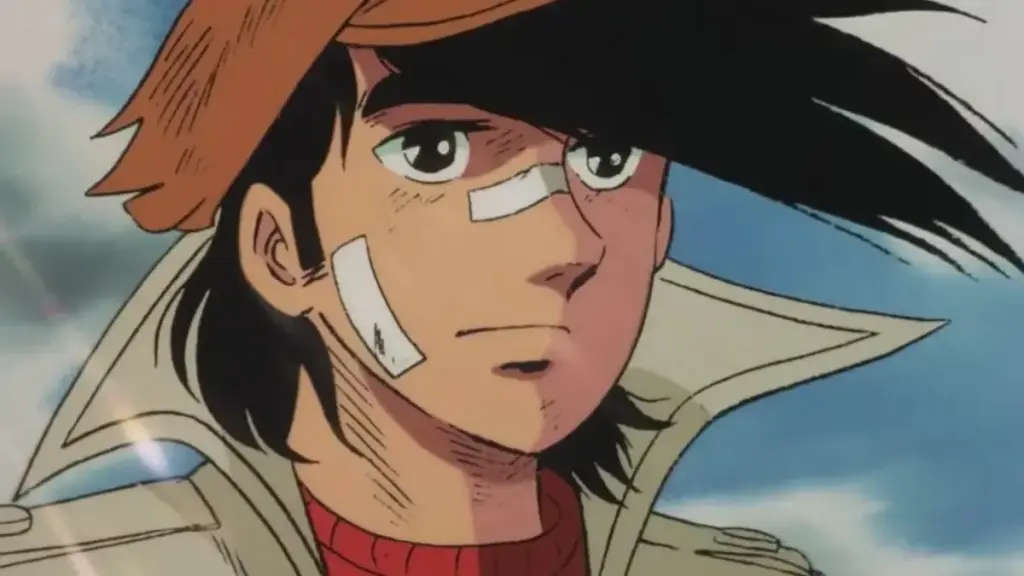
The series also produced some of the most unforgettable moments in manga history. The death of Joe’s rival, Toru Rikiishi, became such a significant event that it inspired a real-life memorial service, demonstrating just how deeply readers had connected with the fictional characters.
Ashita no Joe helped establish sports manga as a powerful storytelling genre, proving that athletic competition could provide the foundation for stories dealing with much larger questions about life and human determination.
Its influence continues to be felt in manga and anime that explore the psychological and emotional costs of competition. For countless readers, Joe Yabuki remains one of the medium’s most recognizable sporting protagonists.
From Ore wa Teppei to Notari Matsutaro, Chiba Created More Than One Classic
Although Ashita no Joe remains his most internationally recognizable work, Chiba’s creative legacy extends across numerous beloved manga.
Ore wa Teppei follows Teppei Uesugi, a spirited boy whose journey into the world of kendo combines comedy, competition, and personal growth. The series became another major entry in Chiba’s long career and demonstrated his ability to bring the same energy to a different sporting discipline.
Harris no Kaze explored school life and youthful rebellion, while Notari Matsutaro followed the world of sumo wrestling. Ashita Tenki ni Naare turned to golf, further highlighting Chiba’s versatility as a storyteller.
His works were united less by a single subject than by their attention to characters and their struggles. Whether his protagonists were boxers, baseball players, or young people navigating everyday challenges, Chiba gave them personalities and aspirations that made their journeys memorable.
He was a creator who could make readers laugh, worry, celebrate, and grieve alongside his characters, often within the same story.
Tetsuya Chiba Received Japan’s Highest Cultural Recognition
Chiba’s contributions were recognized throughout his career with some of Japan’s most prestigious cultural honors.
He received the Purple Ribbon Medal in 2002 and the Order of the Rising Sun, Gold Rays with Rosette, in 2012. In 2014, he was recognized as a Person of Cultural Merit.
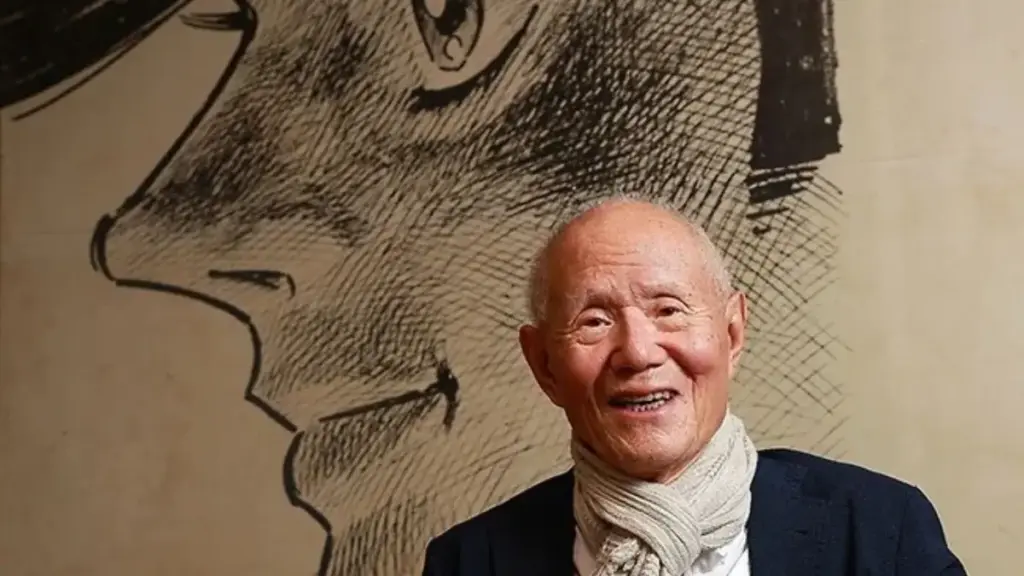
In 2024, Chiba received the Order of Culture, becoming the first manga artist to receive the honor. The recognition reflected how far manga had travelled from a medium once widely viewed as entertainment primarily for children to an art form appreciated by readers across generations.
When he learned of the honor, Chiba expressed surprise and humility in a message on his personal blog. He reflected on nearly 70 years spent drawing manga and noted how people of all ages now read and enjoy the medium.
His words offered a glimpse of how he viewed his own career: not simply as a series of personal achievements, but as part of manga’s broader journey toward cultural recognition.
Chiba also served as president and chair of the Japan Cartoonists Association, contributing to the industry beyond his own creative work.
A Manga Legend Who Believed in the Power of Stories
Chiba’s own experiences also informed the way he approached storytelling. Having experienced the upheaval of war as a child, he later spoke about peace and freedom of expression, while drawing on difficult memories in autobiographical works.
His career spanned enormous changes in Japanese publishing, animation, and popular culture. He witnessed manga become an essential part of everyday life in Japan and gain recognition around the world.
Throughout those changes, his stories continued to focus on people: their failures, their determination to keep going, their relationships, and their desire to find meaning in their struggles.
That is part of what makes his passing so significant. Chiba did not simply create popular characters. He helped establish a storytelling tradition in which the effort to overcome hardship could be just as compelling as victory itself.
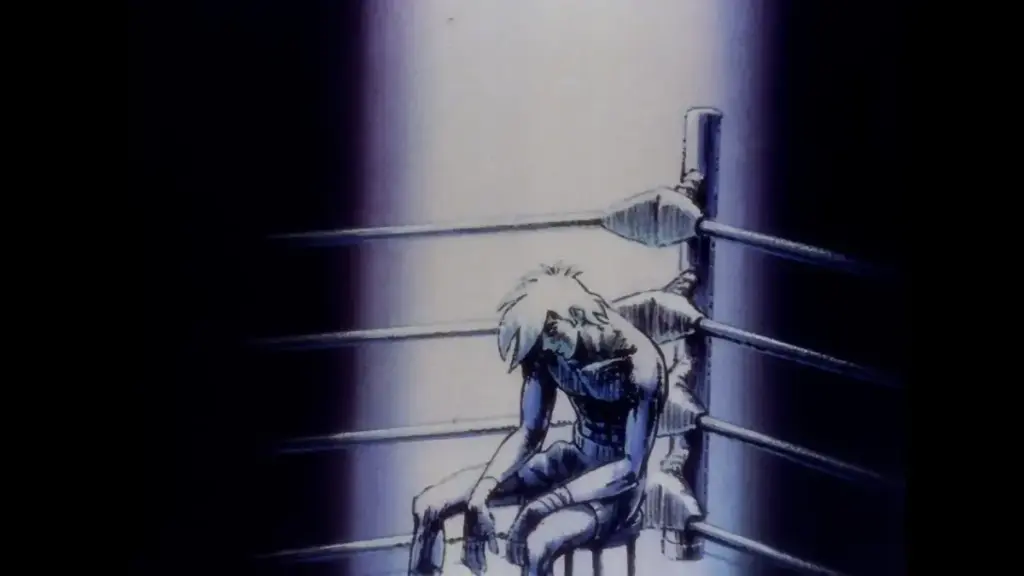
His work gave generations of readers characters to admire, argue about, laugh with, and mourn. Few creators can leave behind a body of work that has meant so much to so many people across such a long period.
According to his family, Chiba lived an active life as a manga artist for 87 years, with approximately seven decades devoted to his craft. They expressed gratitude to the readers and colleagues who supported him and his work throughout that journey.
His funeral was held privately in accordance with his wishes, with a memorial gathering being considered.
Tetsuya Chiba’s death marks the end of an extraordinary life, but the stories he created will continue to live on. Joe Yabuki’s determination, Teppei’s spirited adventures, and the many characters who filled Chiba’s pages remain part of manga history.
Rest in peace, Tetsuya Chiba-sensei. Thank you for giving generations of readers stories worth remembering.
Bookmark Otaku Mantra for more updates.
About Tetsuya Chiba
Tetsuya Chiba (January 11, 1939 – October 22, 2026) was a Japanese manga artist best known for Ashita no Joe, the influential boxing manga he created with writer Ikki Kajiwara. He made his professional debut in 1956 and went on to produce a wide range of celebrated works spanning sports, comedy, and coming-of-age stories.
His notable manga include Ore wa Teppei, Harris no Kaze, Shiden-kai no Taka, Ashita Tenki ni Naare, and Notari Matsutaro. Chiba received numerous honors for his contributions to Japanese culture, including the Order of Culture in 2024. He also served as president and chair of the Japan Cartoonists Association, leaving behind a lasting legacy as one of the most respected creators in Japanese manga.