Imagine being so impressed by an anime that it makes you give up on creating animation yourself. That’s exactly what happened to renowned contemporary artist Takashi Murakami after watching Neon Genesis Evangelion. Rather than simply feeling inspired by the series, Murakami said he was left with a sense of despair, believing there was nothing left for him to contribute to the anime industry.
Murakami revealed this during a discussion at the second Aichi Nagoya International Animation Film Festival (ANIAFF) on November 15 in Nagoya, Japan. The conversation also explored the legacy of legendary animation director Osamu Dezaki, with Murakami expressing his hope that Dezaki’s work will receive greater recognition both in Japan and overseas.
The discussion was held ahead of a screening of Aim for the Ace! The Movie. Murakami appeared alongside festival director Shinichiro Inoue and artistic director Naoshi Sudo, while animation researcher Ryusuke Hikawa joined the conversation by phone.
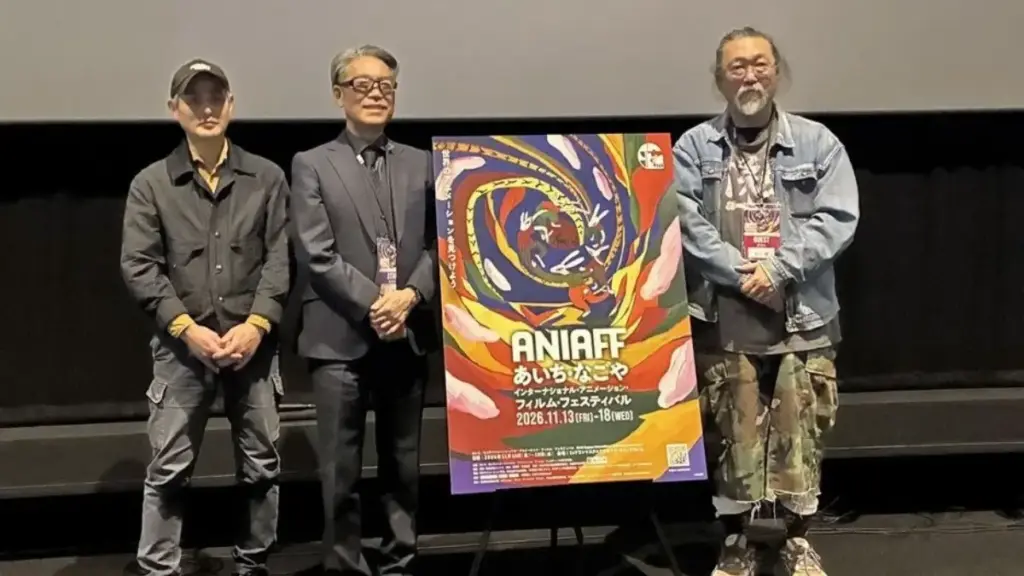
Neon Genesis Evangelion Made Murakami Give Up on Making Anime
Murakami described himself as part of the first generation of otaku, having grown up watching television anime and remaining passionate about the medium throughout his life.
He explained that he belonged to a generation that experienced the changing perception of anime firsthand. While animation was once widely treated as entertainment for children, he believes the idea that anime is only for children has become increasingly outdated.
However, Murakami admitted that he did not always openly present himself as an anime fan. He explained that the otaku culture of his generation placed considerable importance on knowledge and memory of science fiction. Since he felt he had fallen behind in that particular culture, he was not particularly vocal about his interest in anime.
That did not stop him from trying to become part of the industry. During university, Murakami served as the president of his university’s anime research club. He also attempted to create animation himself and even applied for animator recruitment.
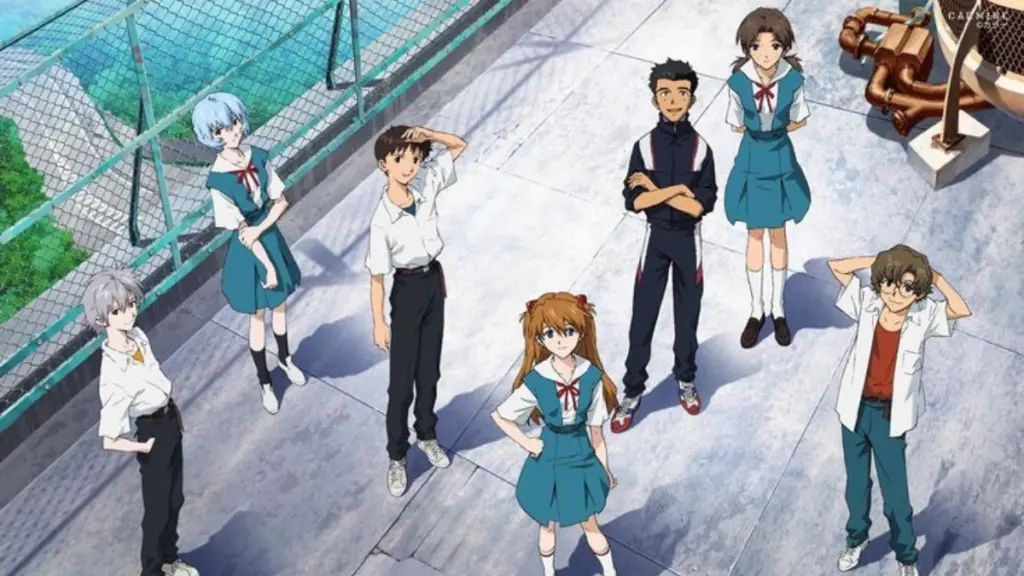
His ambitions eventually changed after watching Neon Genesis Evangelion.
Murakami had already seen Nadia: The Secret of Blue Water, another anime directed by Hideaki Anno, but he said the impact of Evangelion was completely different. The series felt like the culmination of everything his generation of otaku had been building towards.
Recalling his reaction, Murakami said:
“I felt that the culmination of the first generation of otaku had finally come to fruition here. It was so wonderful that I felt despair rather than being moved. I thought there was nothing left for me to do. That became the reason I gave up on pursuing a career in the anime industry.”
He added that, at the time, he felt he was only working on the fringes of the anime industry. After seeing what Anno had accomplished with Evangelion, he decided to give up on that path.
It’s an interesting admission, especially considering that Murakami would go on to become one of the most internationally recognised figures in contemporary art.
Takashi Murakami Wants Osamu Dezaki to Be Recognised Alongside Japan’s Greatest Anime Directors
The discussion then shifted towards Osamu Dezaki, the late director whose works are being highlighted in this year’s ANIAFF Director Focus programme.
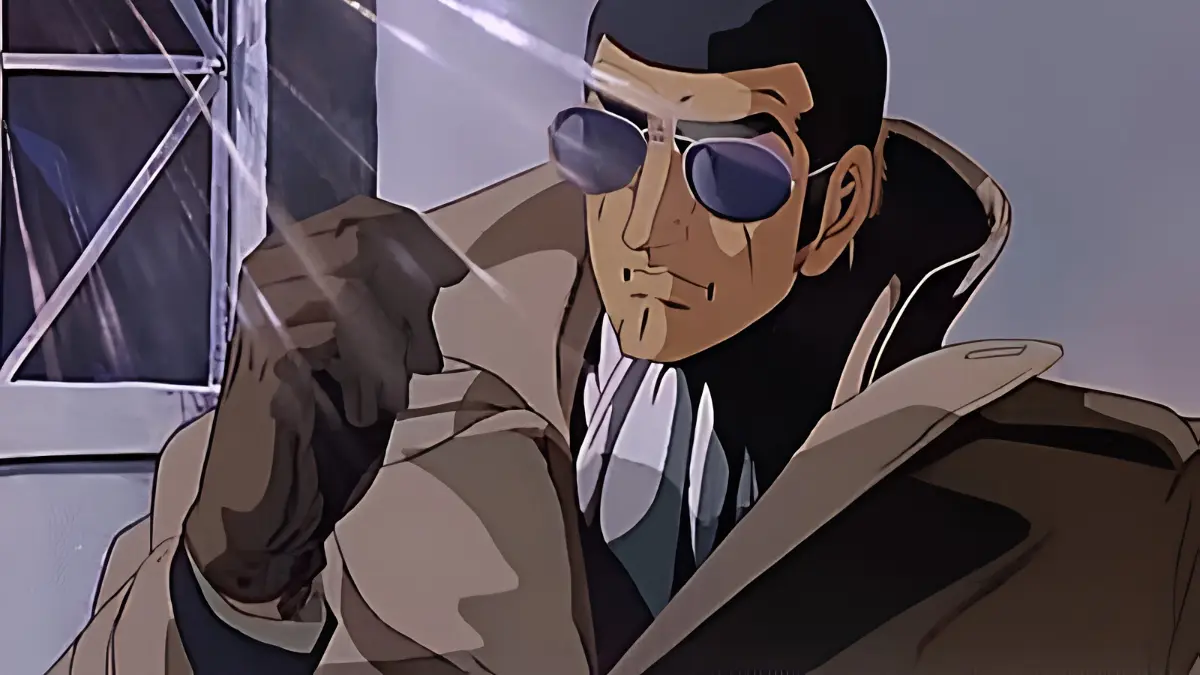
Dezaki passed away in 2011 and is known for directing influential works such as The Rose of Versailles, Black Jack, and Golgo 13: The Movie. Through this special programme, the festival is giving audiences an opportunity to revisit his contributions to Japanese animation.
Artistic director Naoshi Sudo explained that selecting Dezaki for an international film festival might seem like an unexpected choice to some people. However, he believes Dezaki deserves to stand alongside internationally recognised Japanese directors such as Mamoru Hosoda, Hayao Miyazaki, Isao Takahata, and Mamoru Oshii. Hosoda was among the directors highlighted during the festival’s first edition.
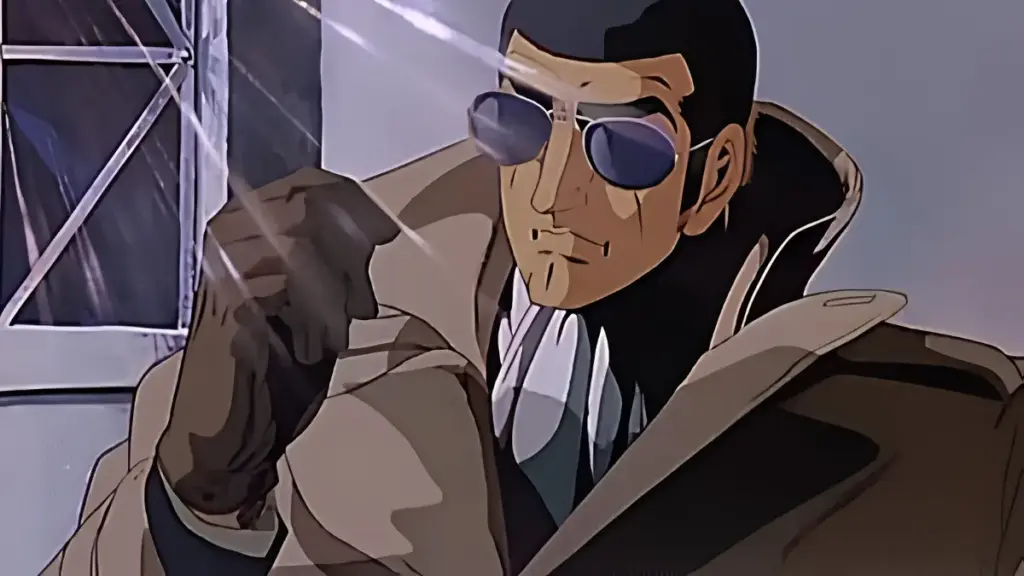
Sudo hopes that featuring Dezaki at an international festival will help bring more attention to his work and legacy.
Murakami shared the same sentiment, pointing out that directors who adapted manga into anime have not always received the respect they deserve in Japan.
He believes this is partly because manga has traditionally occupied a central position in Japanese popular culture, while the directors responsible for bringing those stories to animation have not always received equal recognition.
Murakami hopes that introducing Dezaki to international audiences will help change that perception, allowing people outside Japan to recognise him as a first-class director.
Why TV Anime Directors Deserve More Recognition
The conversation also explored why Dezaki’s international reputation may not fully reflect his influence on Japanese animation.

Inoue pointed out that Dezaki’s work was largely centred on television anime rather than theatrical films. This may have affected how widely his achievements were recognised internationally, particularly when compared with directors whose filmographies include more theatrical releases.
He suggested that things might have turned out differently if Dezaki’s television works had been distributed around the world through the kind of streaming platforms available today.
Murakami also questioned how television anime directors are positioned within the international animation industry. He noted that the role of a TV anime director is quite unique, which may have made it difficult for them to receive the recognition they deserve.
He argued that creating original anime should not be the only standard by which directors are judged. Television anime directors have had an enormous influence on the medium, and their contributions deserve to be reconsidered when looking at the foundations of the modern anime industry.
Inoue also stressed just how much later creators owe to Dezaki, suggesting that Japanese animation might not have developed to the same extent without his influence.
Anime’s Influence Extends Beyond the Animation Industry
Hikawa, who joined the discussion by phone, brought up another interesting point: the generation that grew up watching anime has gone on to influence a wide range of industries beyond animation.
He pointed to Murakami himself as an example, noting how someone inspired by anime eventually became a professional artist. He also mentioned engineers involved in developing the Hayabusa asteroid probe, whose passion for science and technology was influenced by the spirit of anime.
Hikawa believes this wider social influence of anime deserves much more attention.
He also praised Murakami’s presence in the art world, describing him as someone who had changed the rules of contemporary art and saying that his success was a source of encouragement.
The discussion highlighted how anime’s influence is not limited to the people who make or watch animation. Its impact can also be seen in art, science, technology, and other creative fields.
Murakami Calls Aim for the Ace! The Movie Dezaki’s Greatest Masterpiece
Towards the end of the event, Murakami turned his attention to Aim for the Ace! The Movie, which was being screened at the festival.
He did not hold back his praise, calling it “Dezaki’s greatest masterpiece.”
Murakami described the film as an extraordinary work that brought together an exceptional staff and captured the creative energy of its time. He felt that the entire production came together to express something powerful, with the film carrying an especially strong message.
He was particularly impressed by its art direction and visual presentation. Murakami recalled being surprised by the artwork when he first encountered the film and encouraged audiences to pay attention to its visual details during the screening.
The second Aichi Nagoya International Animation Film Festival began in 2025 and is running until November 18, 2026, at venues across Nagoya, including Midland Square Cinema 2. Bookmark Otaku Mantra for more updates!
With its focus on Osamu Dezaki, this year’s festival is also an opportunity to revisit a director whose influence helped shape Japanese animation, even if his contributions have not always received the international recognition they deserve.