Japanese animation has come a long way, but some of the people responsible for shaping the industry rarely get enough attention outside dedicated anime circles. Animation producer Masao Maruyama, who founded Madhouse and MAPPA, recently looked back at two influential figures from his career, Osamu Tezuka and Osamu Dezaki, explaining why he believes Japanese animation wouldn’t have reached its current position without them.
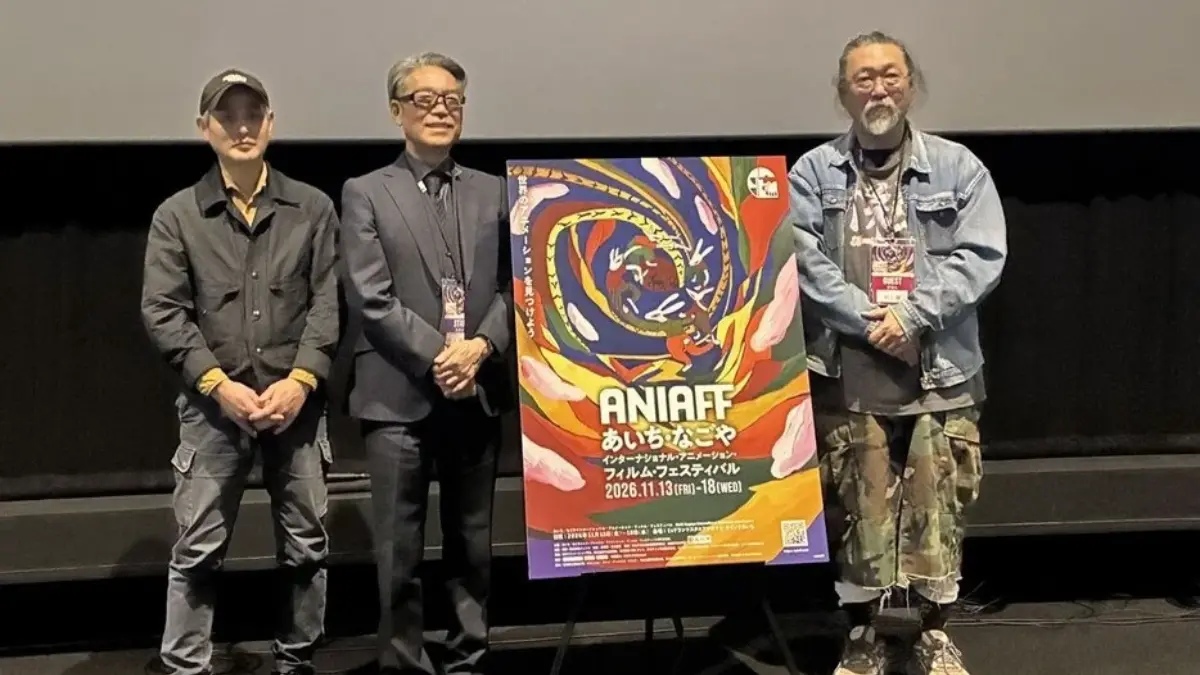
Maruyama shared these memories on November 14 during the second Aichi Nagoya International Animation Film Festival (ANIAFF), where he appeared alongside animation historian Masahiro Haraguchi for a special screening dedicated to Dezaki, who passed away in 2011.
The discussion included memories of their time working at Mushi Production, stories from the production of Ashita no Joe, and the directing techniques that made Dezaki such an influential figure in Japanese animation.
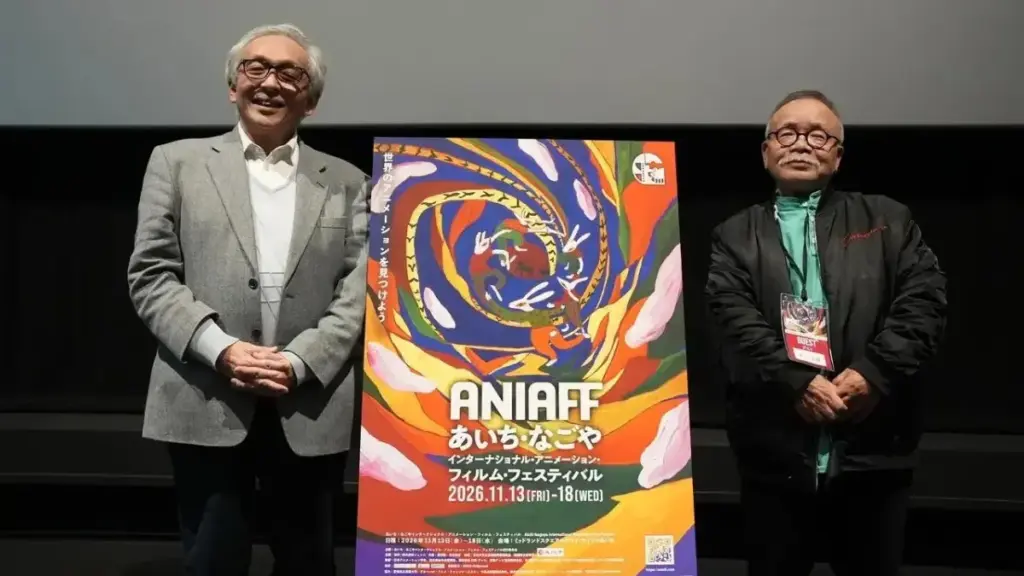
MAPPA Founder Recalls Working With Osamu Tezuka at Mushi Production
During the discussion, Maruyama recalled his time at Mushi Production, the animation studio founded by Osamu Tezuka. He joined the studio around the production period of W3 (Wonder Three), alongside Dezaki.
Looking back at the studio’s working environment, Maruyama described Mushi Production as an unusual company, particularly because of Tezuka’s ambitious approach to animation.
“Other companies made only one theatrical film every two or three years, but Osamu Tezuka said he would make one every week. It was Mushi Production, where a crazy person started doing something that everyone knew was impossible,” Maruyama recalled.
He also explained how Tezuka entrusted inexperienced staff members with responsibilities that they might not normally have received elsewhere.
“What’s amazing about Tezuka and Mushi Production is that they even let amateurs like me do the work,” Maruyama said.
According to him, Tezuka would reassure staff by saying, “It’s okay, I’ll fix it.” However, Maruyama jokingly added that Tezuka never actually ended up fixing anything.
He then credited both Tezuka and Dezaki for their contributions, saying that Japanese animation would not have come this far without the two of them.
How Ashita no Joe Influenced Osamu Dezaki’s Directing Style
Maruyama also shared a story about Ashita no Joe, one of the most important anime projects associated with Osamu Dezaki.
Both Maruyama and Dezaki were fans of the original manga from the time it began serialization. They had discussed how they could bring the story to animation themselves, eventually leading Dezaki to suggest creating a pilot film.
Maruyama recalled that Dezaki used cutouts of the original manga illustrations, pasted them onto storyboard paper and filmed them to create a short pilot.
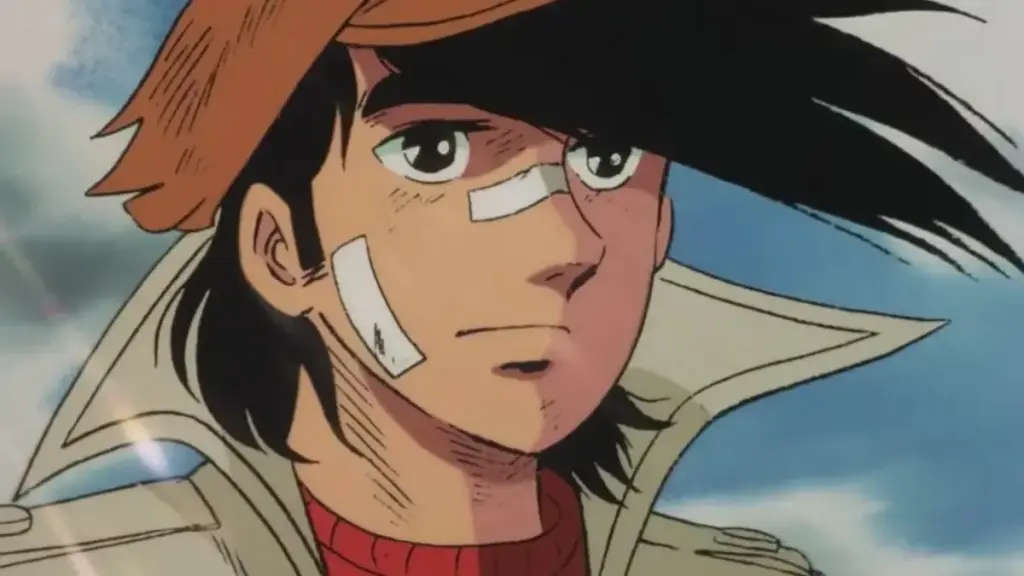
“The Mushi Production of that time was free-spirited. Dezaki said, ‘Let’s just make a pilot,’ and cut out the original illustrations, pasted them onto storyboard paper and shot them to create a short film,” he explained.
Maruyama believes this experiment may have influenced Dezaki’s approach to directing, particularly his understanding that animation did not always require characters to move constantly to make a scene work.
The experience may have helped develop what Maruyama described as the idea that things could be fine even when they didn’t move.
He also stressed the importance of preserving the freedom and willingness to experiment that existed at Mushi Production.
“Everyone accepted that, and that’s why we are where we are today. I think we have to preserve that approach,” he said.
Animation Experts Examine Osamu Dezaki’s Unique Direction in Golgo 13
The festival also screened Dezaki’s 1983 theatrical film Golgo 13, followed by a discussion featuring Kaishi Professional University professor Tomoya Kimura and anime critic Ryota Fujitsu.
The two examined Dezaki’s directing techniques using original production materials, including approximately 30 minutes of storyboards from the latter half of the film preserved at Niigata University.
Kimura highlighted several unusual visual choices found in the storyboards. These included a scene where the Statue of Liberty appears upside down in a building’s window and another in which a motorcycle appears to travel upwards towards a building.
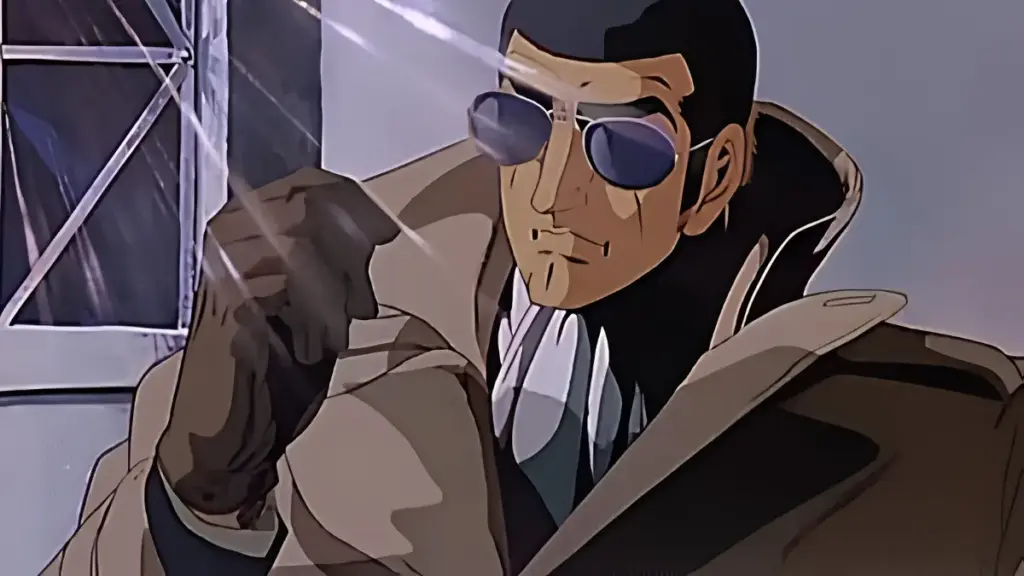
He also discussed a scene involving a flooded scrapyard, where buildings were reflected on the water’s surface. Interestingly, Dezaki had reportedly written “For some reason, a building is reflected” in the storyboard itself.
Kimura joked, “If even the director doesn’t know, then nobody knows,” prompting laughter from the audience.
Fujitsu offered another interpretation of the film’s unusual imagery, suggesting that the upside-down world could make Golgo, who is normally portrayed as a bad person, appear almost good in comparison.
He also recalled Dezaki once admitting that he personally disliked Golgo 13 as a person, opening up another discussion about the relationship between a director’s personal views and the characters they bring to life.
The special screening was part of ANIAFF’s Director Focus programme, which dedicated its second edition to Osamu Dezaki and featured 10 of his works, including Aim for the Ace!, Ashita no Joe 2, Golgo 13 and The Rose of Versailles. Bookmark Otaku Mantra for more amazing updates!
Maruyama’s recollections offer a glimpse into an important period of Japanese animation history, particularly how the unconventional working environment at Mushi Production gave creators like Dezaki room to experiment. His comments also serve as a reminder of the influence Tezuka and Dezaki had on the industry and the generations of animators and directors who followed them.
Source: Kai-You