Motoki Tanaka, the founder and CEO of Bibury Animation Studios, has addressed people considering a career in the anime industry, claiming that working conditions and compensation have improved considerably in recent years.
Tanaka, also known by his alias Tensho, shared his thoughts on X, discussing improvements in salaries, payment practices, overtime and the changing perception of anime-related professions in Japan.
While his comments offer an optimistic view of the industry’s progress, reports of low pay, excessive workloads and vulnerable working arrangements continue to highlight the challenges many animation workers face.
Motoki Tanaka Says Anime Industry Conditions Have Improved
In his post, Tanaka encouraged people who are uncertain about entering the anime industry to consider pursuing a career in animation.
He specifically mentioned animators and production coordinators, stating that working conditions and compensation have improved significantly compared to the past.
“Compared to the past, I feel that the environment and working conditions, including those for animators and production coordinators, have improved considerably over the past few years,” Tanaka wrote.
He also pointed to improved salary payments and reduced overtime, including overnight stays at studios.
“Salaries are properly paid, and I feel that overtime and overnight stays have also decreased considerably at many studios,” he stated.
According to Tanaka, the anime industry has moved beyond the period when low wages and excessive working hours were considered unavoidable parts of the profession.
“The era when low pay was the norm and overtime was a given in the anime industry is over,” he said.
However, Tanaka’s statement reflects his perspective on the industry’s recent changes rather than establishing that these problems have disappeared across all animation studios and job positions.
Tanaka Says Anime Is Now A Profession To Be Proud Of
The Bibury Animation Studios CEO also discussed the social stigma that previously surrounded working in anime.
He recalled a time when working in animation was viewed as embarrassing or dismissed as “a job for otaku.” According to Tanaka, that perception has changed as anime has grown into a cultural export that Japan can proudly showcase to the world.
“The time when people were persecuted for working in anime because it was embarrassing or an otaku job is also over,” Tanaka wrote.
He added that anime has become a cultural asset that Japan can proudly present internationally, making it a profession workers should feel comfortable pursuing.
“Today, anime has become a culture that Japan can be proud of around the world, and it has become a job you can hold your head high about,” he stated.
Tanaka acknowledged that working in animation is not easy, but he emphasized the creative satisfaction that comes from producing anime.
“It isn’t an easy job, but making anime is still really interesting,” he wrote.
He ultimately encouraged aspiring industry workers to consider taking the first step.
“If you’re hesitating about making anime your profession, I think it might be worth jumping in once,” Tanaka said. “If it doesn’t suit you, you can quit. If you’re suited to it, you can continue.”
Anime Industry Still Faces Concerns Over Pay And Working Conditions
Tanaka’s comments arrive amid years of discussion surrounding the working conditions of anime professionals in Japan.
A 2023 report highlighted the financial difficulties faced by newcomers, with some animators reportedly earning around ¥50,000 per month. The report also discussed how workers were sometimes encouraged to use their free time to practice, despite struggling to take on additional part-time employment.
In March 2024, another case drew attention after an animator shared details about receiving the equivalent of approximately $132 for their first month at an anime studio. Other animators subsequently shared experiences involving low compensation and demanding deadlines.
Concerns have also extended beyond salaries. Industry discussions have examined long working hours, freelance arrangements, subcontracting practices and the protections available to animation workers.
A 2025 United Nations human rights committee report, as referenced in the supplied coverage, raised concerns about working conditions for freelancers and independent contractors in Japan’s anime industry. The report also highlighted potential issues involving subcontractor relationships and intellectual property protections in animator contracts.
These reports indicate that improvements may not be distributed evenly across the industry. Conditions can differ depending on the studio, position, employment arrangement and level of experience.
A Positive Outlook, But The Industry’s Problems Are Not Over
Tanaka’s comments provide an optimistic perspective from a studio executive who believes that parts of the anime industry have made meaningful progress.
His statements about better payment practices, reduced overtime and the growing cultural recognition of anime reflect changes that some workers and companies may have experienced in recent years. However, they do not establish that all animators and production staff now receive adequate compensation or work under healthy conditions.
Low and delayed payments, demanding schedules and concerns surrounding freelance employment continue to be part of the broader conversation about anime production.
The industry may be changing, but the extent of that progress remains dependent on individual companies, positions and employment conditions.
Bookmark Otaku Mantra for more anime news and updates!
About Bibury Animation Studios
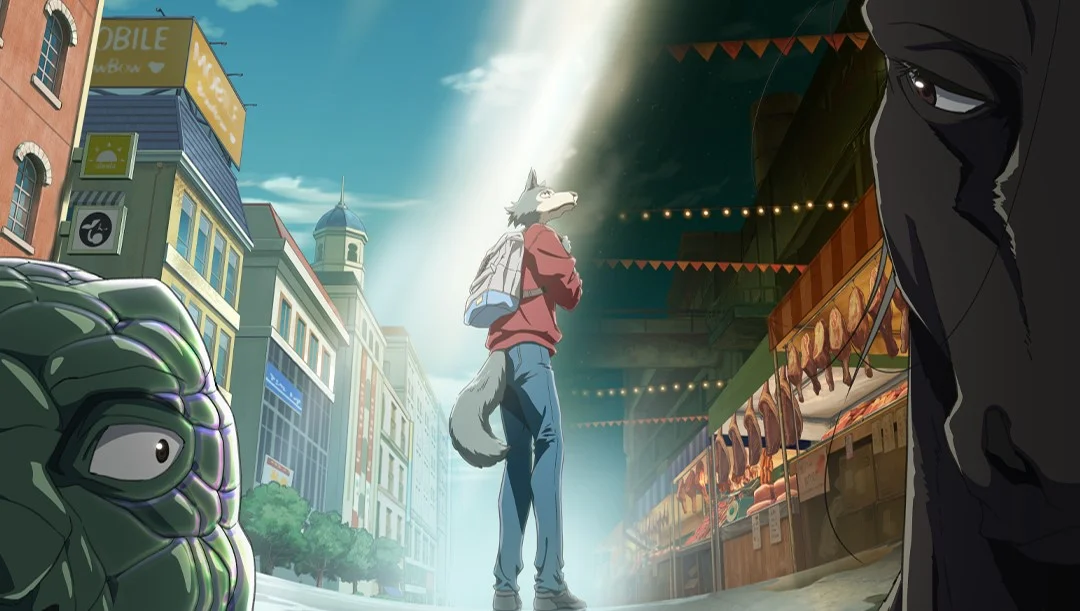
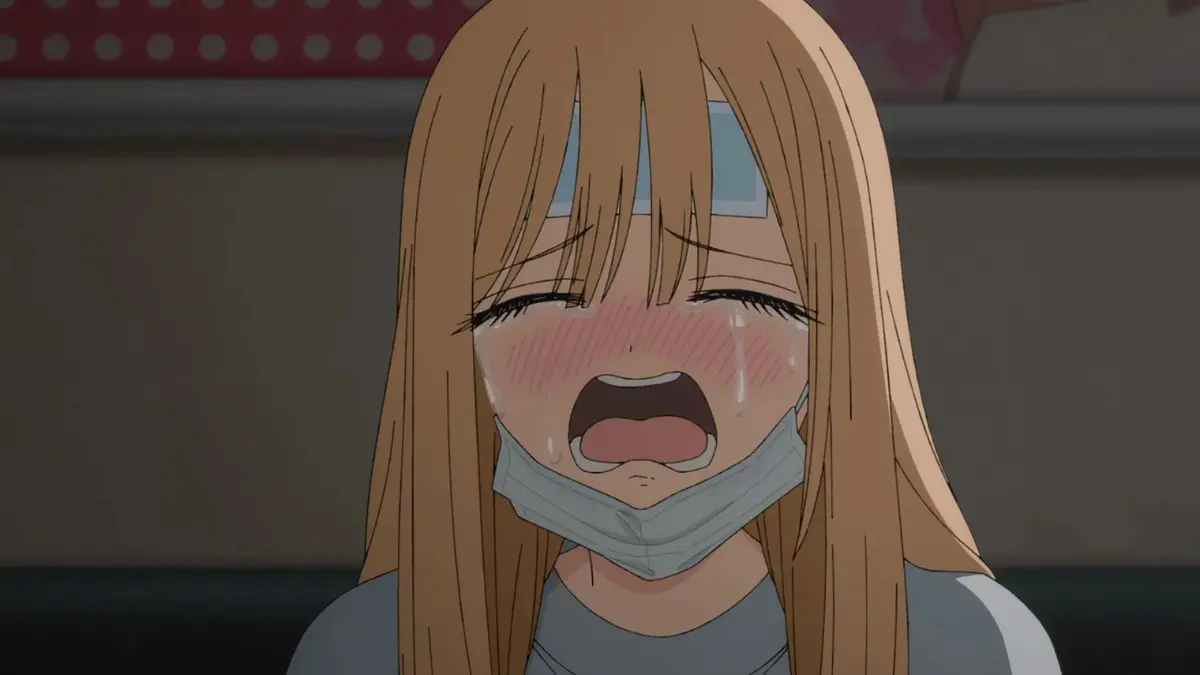
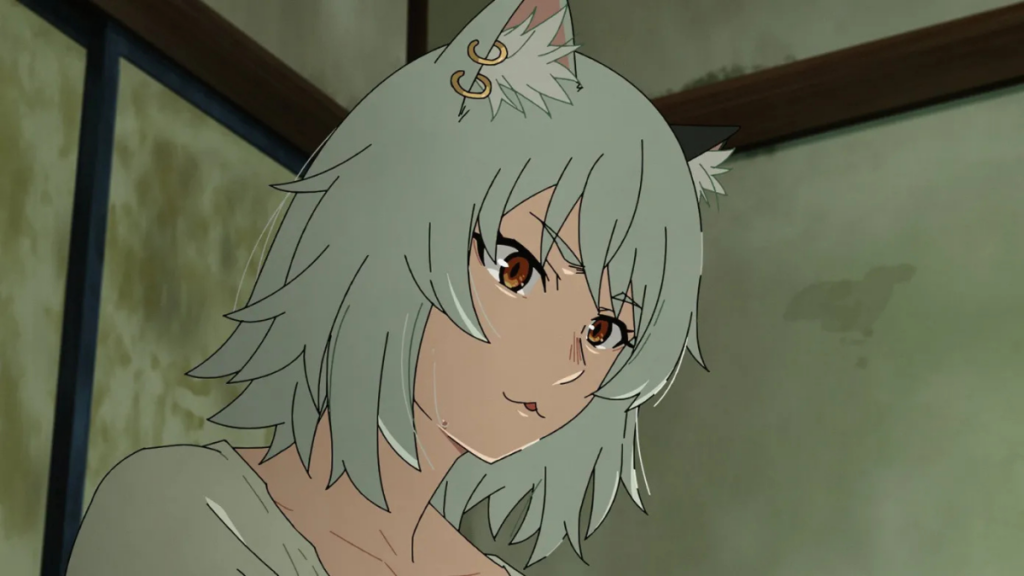
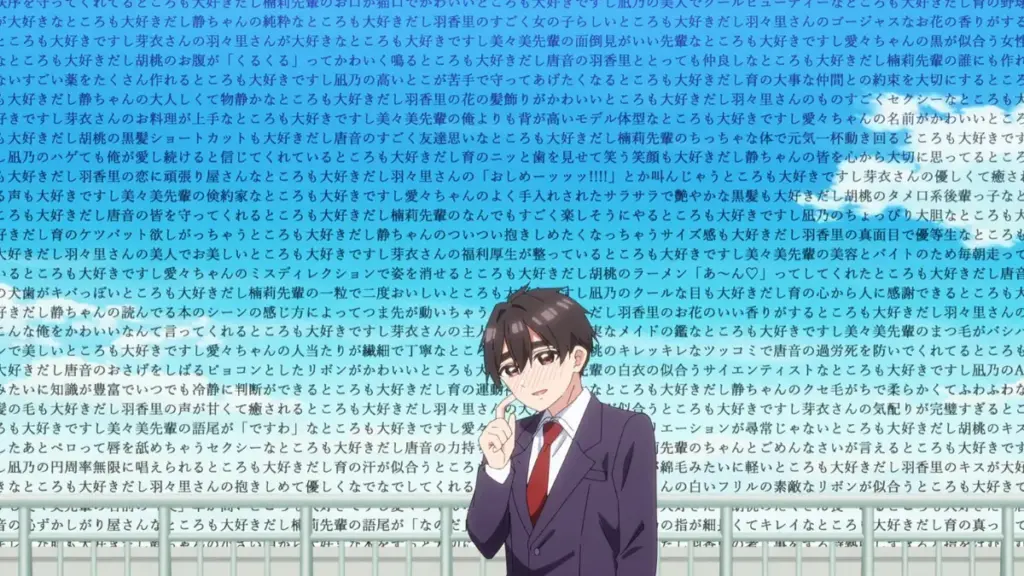
Bibury Animation Studios is a Japanese animation studio founded by Motoki Tanaka, also known as Tensho. The studio has worked on anime projects including The 100 Girlfriends Who Really, Really, Really, Really, Really Love You and Chainsmoker Cat.
Tanaka has been involved in anime direction and production, and his recent comments focus on the working environment, compensation and changing public perception of Japan’s animation industry.