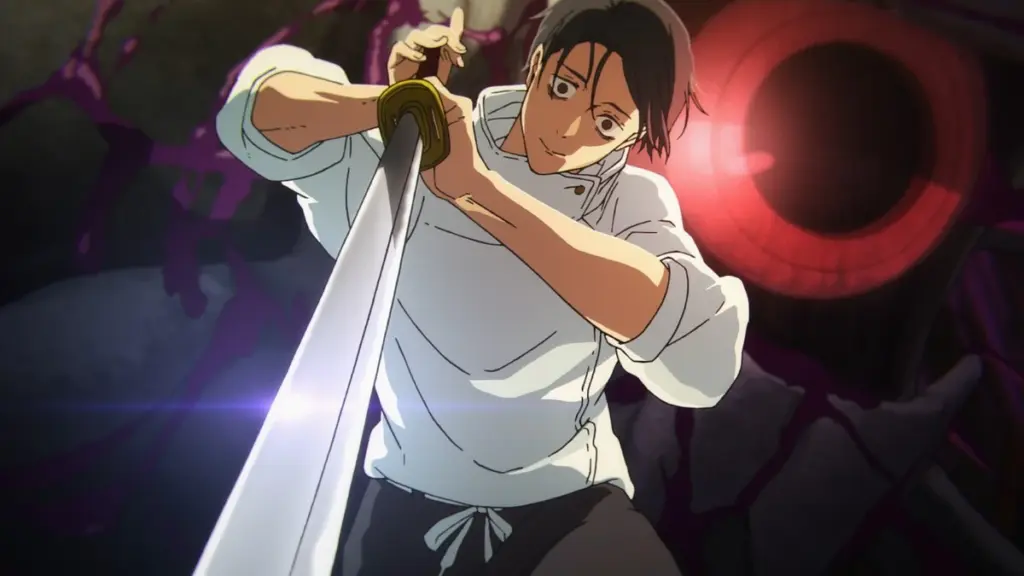
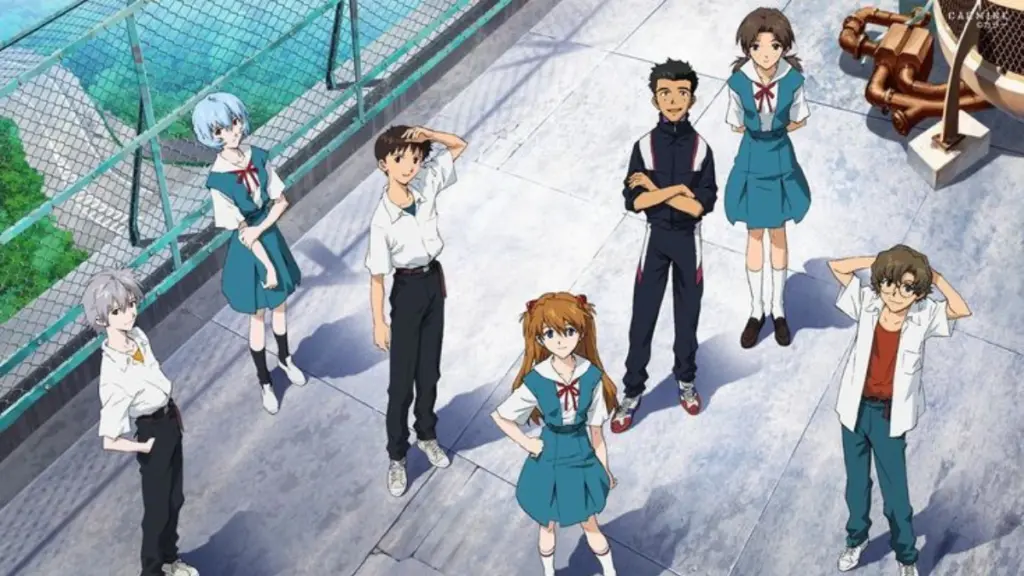
Megumi Ogata, the acclaimed voice actress behind Shinji Ikari in Neon Genesis Evangelion, Yuta Okkotsu in Jujutsu Kaisen 0, and several other iconic anime characters, has spoken out against the growing misuse of AI-generated voices, calling the unauthorized cloning of voice actors’ performances “heartbreaking.”
Her comments come as Japan takes a significant step toward strengthening protections for voice actors. On July 27, a Ministry of Justice expert panel approved a draft set of guidelines that would recognize voices as being protected under publicity rights, potentially allowing legal action against those who create and monetize AI-generated voice content without permission.
Japan Moves to Protect Voices Under Publicity Rights
The Ministry of Justice’s draft guidelines state that a person’s voice can be protected in the same way as their name or likeness under Japan’s publicity rights framework.
If finalized, creating AI-generated videos using a voice actor’s voice without permission and monetizing that content on social media could be considered an infringement of those rights and may result in claims for damages. The draft also says that selling AI voice models designed to recreate a specific celebrity or character’s voice could similarly expose creators to legal liability.
However, the proposed guidance also makes an important distinction for traditional impersonation performances. Voice impressions or impersonations would generally not be considered rights violations as long as audiences are not misled into believing the performance is actually by the original person.
The guidelines are expected to be formally published next month and are intended to provide clearer legal guidance on how publicity rights should apply to AI-generated voices.
“My Voice Is Part of My Identity”
Speaking about the rapid spread of AI-generated voices, Ogata said the issue has become impossible for her to ignore.
“My voice is part of my identity. I really don’t understand why somebody would want to make me say things that I don’t want to say as they please and then sell it as my own voice. It’s heartbreaking.”
Ogata explained that many of the AI models circulating online imitate not only voice actors themselves but also the characters they spent years bringing to life.
“The most common are character voices. Those characters were created by pouring a part of ourselves into them and building them together with everyone involved. Of course, that makes me angry.”
AI Models Already Mimic Characters She Played
According to the report, websites already exist that allow users to generate AI voices closely resembling popular anime characters.
One such platform reportedly included AI voice models based on characters voiced by Ogata herself. Users simply enter text, and the system generates dialogue in a voice resembling the original performance.
The report also noted that some of these services advertise commercial use of AI-generated voices, raising further concerns among voice actors whose performances may have been used for AI training without consent.
Organizations representing voice actors have since called on these websites to remove the AI voice models, arguing that they make unauthorized use of performers’ voices.
“Why Can’t Japan Establish Content Guidelines?”
Ogata stressed that the issue extends far beyond voice acting.
She argued that Japan, despite being known worldwide for its anime and manga industries, has been slow to establish clear rules governing how creative works can be used to train generative AI.
“It’s not just voices. Japan is already becoming a provider of training material for everything related to anime and manga. Why can’t Japan, which calls itself a content superpower, establish rules for content use or tell the world, ‘This is our policy,’ or ‘This is a problem for us?'”
Her comments reflect broader concerns within Japan’s entertainment industry that creators’ work is increasingly being used to train AI systems without permission or compensation.
The report also highlighted the scale of the problem.
According to estimates from an NPO, approximately 43,000 AI-generated images and videos believed to have used performers’ voices without authorization were identified over roughly a two-month period in 2025.
The resulting economic losses to entertainers were estimated at between 2 billion and 4.5 billion yen, underscoring why many performers are pushing for stronger legal protections.
Ogata Has Been Pushing for Change
Ogata’s public comments follow months of involvement in discussions with the Japanese government.
In May 2026, she participated alongside fellow voice actors in a Ministry of Justice review panel examining when unauthorized AI-generated voices and likenesses should result in civil liability.
During those discussions, she repeatedly argued that unauthorized AI generation of performers’ voices must be stopped.
The newly approved draft guidelines are seen as one of the first major outcomes of those discussions.
Protecting the Next Generation of Voice Actors
Beyond protecting her own work, Ogata said she is deeply concerned about the future of aspiring performers.
As someone who also teaches young voice actors, she encourages students to develop emotional performances that cannot simply be replicated by artificial intelligence.
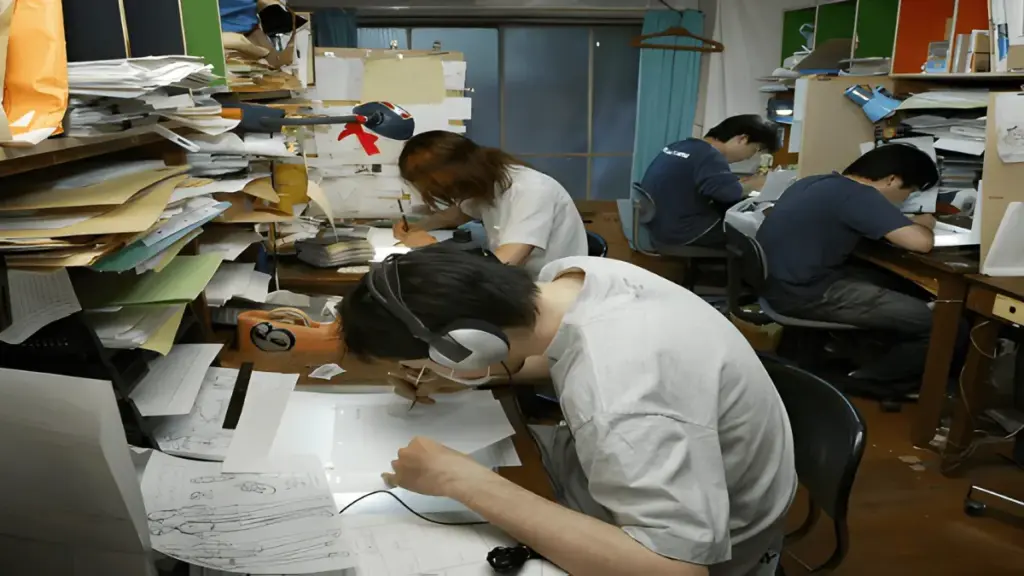
She warned that while established actors may still be able to defend their identities, younger performers entering the industry could struggle to build sustainable careers if AI voice cloning continues without stronger safeguards.
Ogata emphasized that she is not opposed to AI technology itself.
“I think it’s wonderful that AI continues to evolve. But if its use comes at the cost of trampling on everything that other people have created and puts the future of this industry at risk, then something is clearly wrong. We need safeguards before it’s too late.”
The issue has gained increasing attention across Japan in recent months. Earlier this year, voice actor Kenjiro Tsuda, known for voicing Kento Nanami in Jujutsu Kaisen and Seto Kaiba in Yu-Gi-Oh!, also took legal action over the unauthorized AI-generated use of his voice in monetized online videos, highlighting growing concerns across the voice acting industry.
With Japan now moving toward formal guidelines recognizing voices under publicity rights, many in the anime industry hope it marks the beginning of stronger protections against unauthorized AI voice cloning.
Bookmark Otaku Mantra for more anime news and updates!
Source: TBS