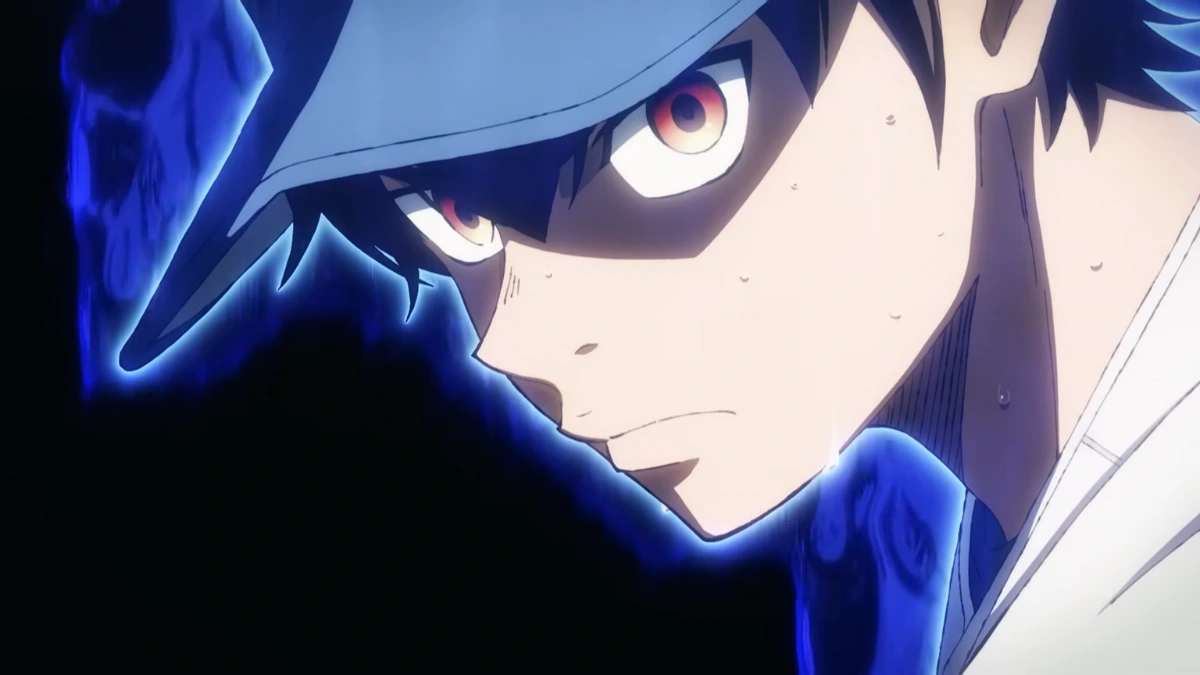
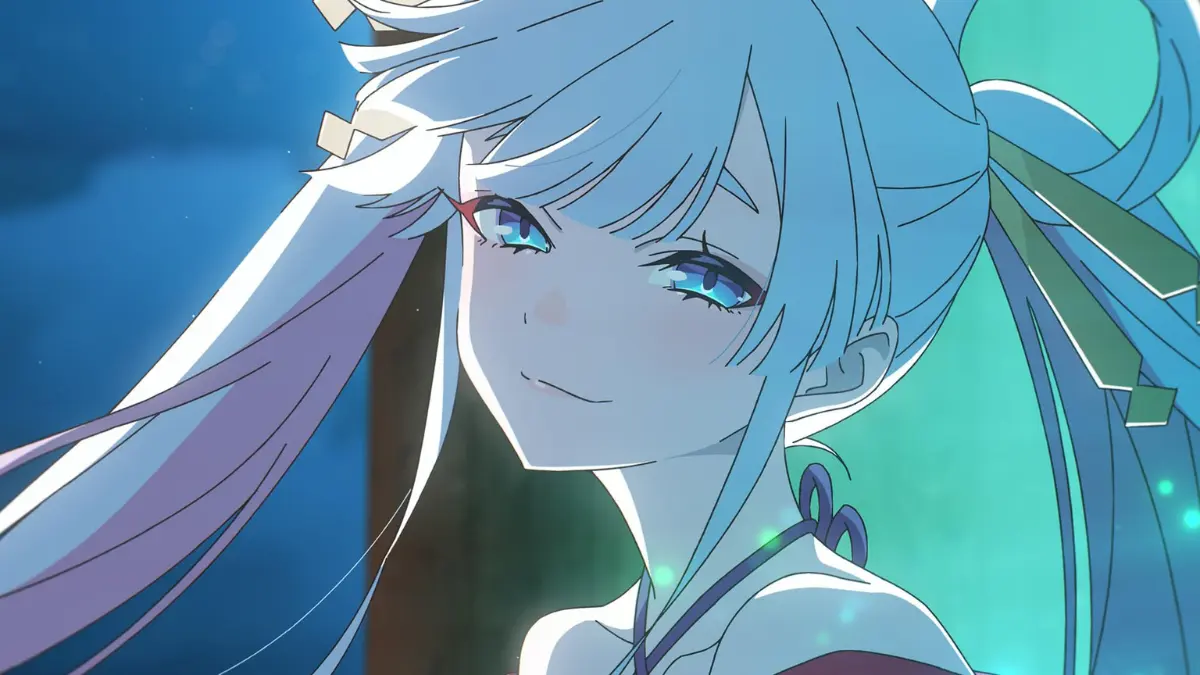
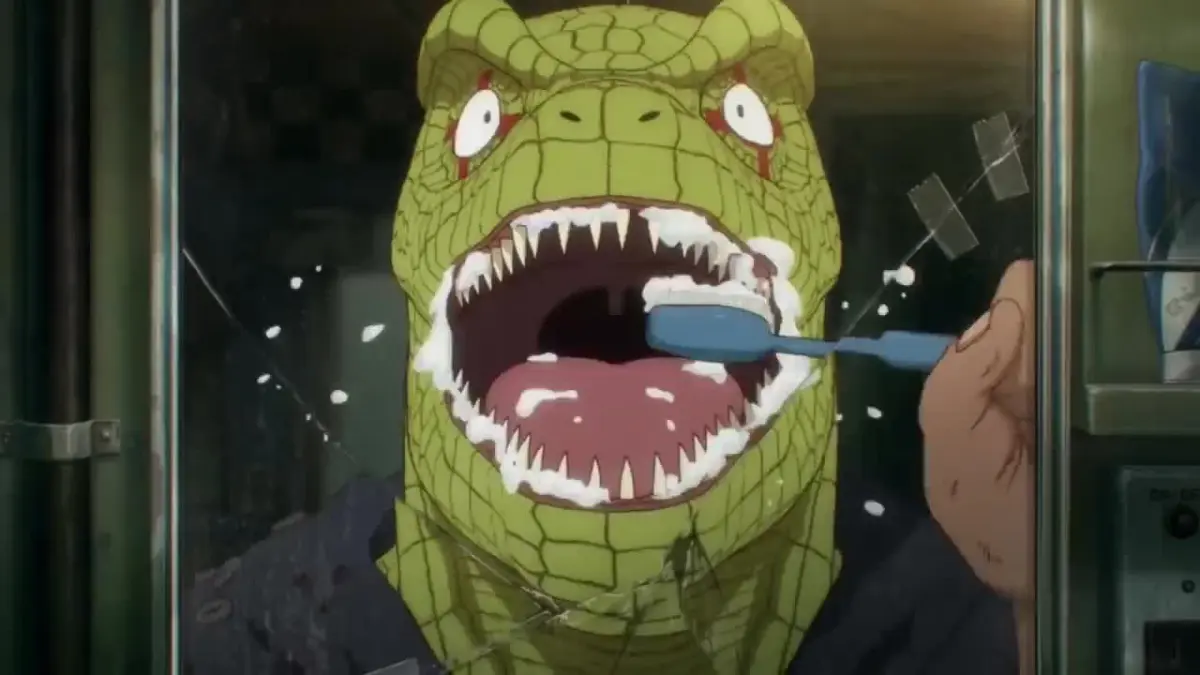
Tatsuki Fujimoto 17-26 brings the Chainsaw Man creator’s early one-shots to life through an ambitious anime anthology. In this comprehensive review, I’ll analyse all 8 episodes, rank them from best to worst, and give you my final verdict on whether this series is worth your time. From post-apocalyptic alien battles to heartwarming sibling bonds, here’s everything you need to know about Fujimoto’s creative beginnings.
What is Tatsuki Fujimoto 17-26? an overview
Tatsuki Fujimoto 17-26 is an anime anthology series based on the manga series Tatsuki Fujimoto Before Chainsaw Manga that brings to life eight one-shots created by the acclaimed author of the manga Chainsaw Man in his youth. Six studios and seven directors come together to adapt these early works, including the first manga Fujimoto submitted to a contest.
Each episode opens a window into a different world, where the everyday intertwines with the fantastic, the intimate with the disturbing. Between the innocence of first love and the abyss of tragedy, passing through violence, magic, and madness, the desires, fears, and obsessions that marked the author’s creative beginnings are revealed, leading him to become one of the most influential and essential voices in contemporary manga.
The subtle ways that Tatsuki Fujimoto has evolved as a manga author are evident in his early-career standalone stories. The one-shots offer a glimpse into his raw but developing creative abilities, from attempting a simple romance tale to the early stages of the mysterious universe of Chainsaw Man. Given the name recognition for Fujimoto worldwide following the international success of his magnum opus and the universally positive reception of the 2024 film adaptation of Look Back, Avex Pictures must have seen potential in adapting Tatsuki Fujimoto’s 17-26 into anime.
This anthology strikes up a series of unique and visually stunning installments by giving directors and studios budgets for their respective episodes. This maintains their integrity as standalone stories without trying to forcibly connect the eight through some sort of extended throughline, instead allowing the staff of an episode to creatively adapt their given one-shot however they’d like. According to producer Ryo Oyama, they discussed whether to connect the stories or keep them apart. Fortunately, they went with the completed work.
The eight episodes span each story in Tatsuki Fujimoto Before Chainsaw Man: 17-21 and Tatsuki Fujimoto Before Chainsaw Man: 22–26, each in order. On their own, they’re a smorgasbord of Fujimoto’s boundless ideas and story experimentation. You can easily see some early phases of his later character designs and more refined plotlines.
Episode-by-Episode Review & Analysis
Episode 1: A Couple Clucking Chickens were Still Kickin’ in the Schoolyard Explained and Reviewed
With veteran directors taking the reins of his stories, they are made anew. Some episodes eclipsed their manga versions and others completely changed my perspective on the one-shot. Seishirō Nagaya’s direction in A Couple Clucking Chickens Were Still Kickin’ in the Schoolyard gets this series off to a flying start by infusing the vibrancy and action that was missing in the 2011-released story. The anime rendition of the tongue-twister expands on the alien-infested post-apocalyptic world and, god, the designs of the aliens steal the show. While Ami’s character wasn’t really compelling at first glance in the manga, I was moved by the catharsis she and Yuto earned. In contrast to the abrupt cut-to-black ending in the manga, the episode expands on the final battle between the two aliens, bringing things to a close on an optimistic note despite the bleak reality.
Episode 2 – Sasaki Stopped a Bullet Review
Sasaki Stopped a Bullet has a title that very much sums up the whole story behind it. Nobukage Kimura’s direction shows Fujimoto’s humorously delivered message about the power of believing in impossible feats, which he defines as merely an outcome with extremely low odds. The production animation is straightforward and standard compared to the episode that preceded it, but Teruko Utsumi’s screenplay elicits witty dialogue, while the voice actors deliver absurd line reads, matching the exaggerated facial expressions. Rounded out by the episode’s impeccable comedic timing, Kimura succinctly gets across how influential a person’s words can be and how that can be passed on to others who later go on to achieve the unthinkable.
Episode 3 – Love is Blind Review
The cosmically absurd Love is Blind offers a pleasant respite after two tales of desolate and grim situations. This is the crowd-pleaser, mixing the straightforward drama of a teen romance with utter absurdity. Ibuki’s determination to confess to his vice president come hell or high water sees him stuck in escalating situations that follow Murphy’s law. The viewer can’t help but cheer on the fearless resolution of the student council president, even as annihilation bursts through the door. Love is Blind doesn’t need any fancy animations or surprises to pull humorous punches, just pure romantic tension told in the most straightforward of forms.
Episode 4 – Shikaku Review
Despite the deceptive name, Shikaku is yet another love story in this anthology. The story demonstrates how Fujimoto’s ability to create relationships has advanced to new heights, although the opening was a hard watch as it featured some light bug torture and physical child abuse. At the request of an eternal vampire, a female assassin with an odd sense of morals takes on her latest job. She is attracted to him even though she is unable to take him down and he finds her amusing. Their original attraction is not clearl even in the manga. As a result, Naoya Ando, the director of Paradox Live The Animation, must take a serious approach to this examination of love between the unusual couple. Although it’s a spectacle, the remarkable animation ultimately falls short of the story’s lack of character development and nuance.
Episode 5 – Mermaid Rhapsody Review
Next is the touching-but-middling Mermaid Rhapsody, which adapts what is arguably Fujimoto’s most conventional one-shot amidst his suite of hitmen, vampire, alien and high schooler romance stories: the coming-of-age tale of a boy and a mermaid. Blue Lock’s Season 1 director, Tetsuaki Watanabe, adapts the story straightforwardly but with little of the sentimentality that made the manga so appealing. Except for the sweet piano melody Toshihide plays for Shiju, this adaptation struck me as largely interchangeable with any given slice-of-life anime on the marketplace.
Episode 6 – Woke-Up-as-a-Girl Syndrome Review
Woke-Up-as-a-Girl Syndrome is easily a candidate for the most vividly imaginative and colorful episode next to the first one. At times, it appears that the staff at Studio Kafka want to show off how they can experiment with camera angles and incorporate eye-catching designs at the drop of a hat. Every episode comes complete with an ending song, but this sixth episode outdoes the rest with its stylized finishing sequence and earworm city-pop track. All of this keeps the contentious subject of gender identity and bodily dysmorphia somewhat lighthearted. Layered between a pleasant song and eye-catching visuals, even awkward moments of objectification and sexual harassment are given a carefree tinge. Nevertheless, director Kazuaki Terasawa gives the spectator a reason to cheer for Toshihide and Rie while preserving the humorous tone of Fujimoto’s original one-shot.
Episode 7 – Nayuta of the Prophecy Review
The production team was itching to draw parallels to the bizarre world of Chainsaw Man after we reach Nayuta of the Prophecy. The two siblings find themselves thrown into a harsh world with an even harsher fate when crazed zealots-who fear Nayuta’s prophesied world-ending powers-murder their father.
Tonally, director Watanabe figuratively and visually depicts the world in a dark gradient, making Kenji feel emotionally and physically trapped on-screen as he is compelled to clean up after his younger sister’s carnage. The episode continues escalating tensions between the siblings and society, until it culminates in a crashing crescendo as Nayuta summons a sky full of swords and severed hands in retaliation for their attack on her brother. However beneath her bizarre remarks and heaps of animal carcasses, Nayuta is just a child who worries about her brother. Kenji is unwaveringly loyal to Nayuta as her brother in spite of everything that has happened to him. Once he admits his fear of her – facing the issue head on – he finds the courage to properly scold her. Once he sincerely expresses his intention to continue defending her, mankind be damned, The ominous clouds finally clear. Kenji and Nayuta’s heartwarming sibling bond cleanly wraps up as color schemes, upbeat musical composition and emotional payoff bring the episode to a close.
Episode 8 – Sisters Review
Wrapping up the eight-part series in Sisters. This episode is an unforgettable closer due to its potent mix of a good story, high production and smooth execution. A crass yet heartwarming one-shot follows Akiko, who separated herself from her sister out of jealousy. One day, she gets publicly humiliated in front of the whole school by her younger sister’s award-winning nude drawing of her. She soon realizes how much her little sister looks up to her, which rekindles her passion for art and her relationship with her sister. Director Shū Honma tells this tale with a gentleness that had me in tears. While there was less room for creative liberties, Honma doesn’t hold back and pulls the emotional punches right where they hurt, in a good way. You can tell he previously worked on the comedy series Ya Boy Kongming! with how hysterical the funny scenes are to give an emotional break before plunging into the heaviest of scenes. On a side note, the nude drawing from the manga and full nudity scene remain uncensored in the episode.
Tatsuki Fujimoto 17-26 Episodes Ranked (Best to Worst)
- Episode 8: Sisters
- Episode 1: A Couple Clucking Chickens were Still Kickin’ in the Schoolyard
- Episode 6: Woke-Up-as-a-Girl Syndrome
- Episode 7: Nayuta of the Prophecy
- Episode 4: Shikaku
- Episode 3: Love is Blind
- Episode 5: Mermaid Rhapsody
- Episode 2: Sasaki Stopped a Bullet
Final Verdict: Is Tatsuki Fujimoto 17-26 Worth Watching?
Tatsuki Fujimoto 17-26 will show you Fujimoto’s early foundations if you’ve just seen Chainsaw Man or Look Back. However, compared to his serialized work, viewing this anime series will be a different experience due to how underdeveloped and unequal the characters, plot and scenes are. Fujimoto’s steady development as a storyteller shines through even when delivered through an animated perspective. With their own distinct interpretations of Fujimoto’s stories, the seven directors complete Fujimoto’s creative infancy with their own unique takes on his stories. The eight episodes are a wild ride from beginning to end, akin to the longest (but delightful) roller coaster you’ve ever experienced.
Frequently Asked Questions
Q: Is Tatsuki Fujimoto 17-26 worth watching?
A: Yes, especially if you’re a Chainsaw Man fan or enjoy anime anthologies. While episode quality varies, the highs (Sisters, A Couple Clucking Chickens) are exceptional and offer insight into Fujimoto’s creative evolution.
Q: Do I need to watch Chainsaw Man first?
A: No, Tatsuki Fujimoto 17-26 is completely standalone. However, Chainsaw Man fans will appreciate seeing the early development of Fujimoto’s signature style and themes.
Q: Which episode of 17-26 is the best?
A: Episode 8 “Sisters” is widely considered the best, combining emotional storytelling with excellent direction. Episode 1, “A Couple Clucking Chickens”, is a close second for its stunning animation and expanded worldbuilding.
Q: Are all episodes connected?
A: No, each of the 8 episodes is a standalone story adapting a different Fujimoto one-shot. There’s no continuing narrative connecting them.
Q: What is Tatsuki Fujimoto 17-26 about?
A: It’s an anthology series adapting eight early manga one-shots by Chainsaw Man creator Tatsuki Fujimoto, showcasing his work from ages 17-26. Each episode explores different genres from romance to horror to sci-fi.