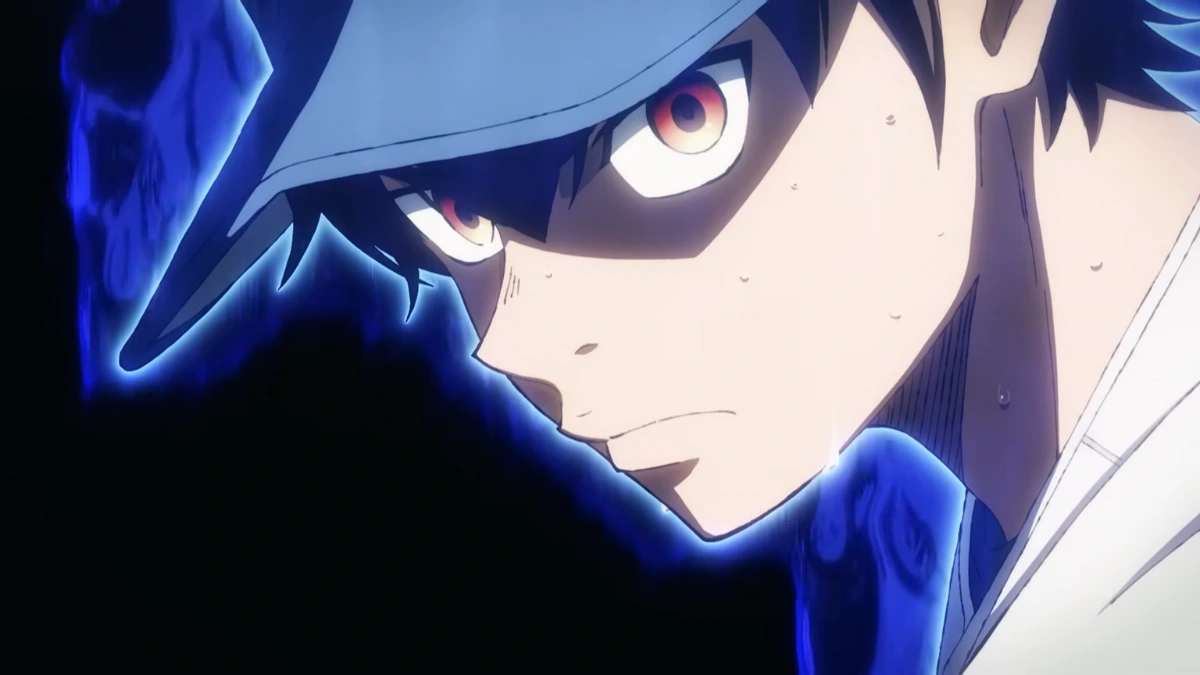
The creator of Gachiakuta, Kei Urana, has spoken out against fans repeatedly pushing unofficial interpretations of the series, saying she will reject settings that contradict the story’s canon.
Urana recently shared a message on her Instagram story addressing ongoing interactions with fans who present their own interpretations of the series’ world and characters. In the post, she stated that while fan ideas exist, she will not accept unofficial or incorrect settings when they are brought to her as if they were canon.
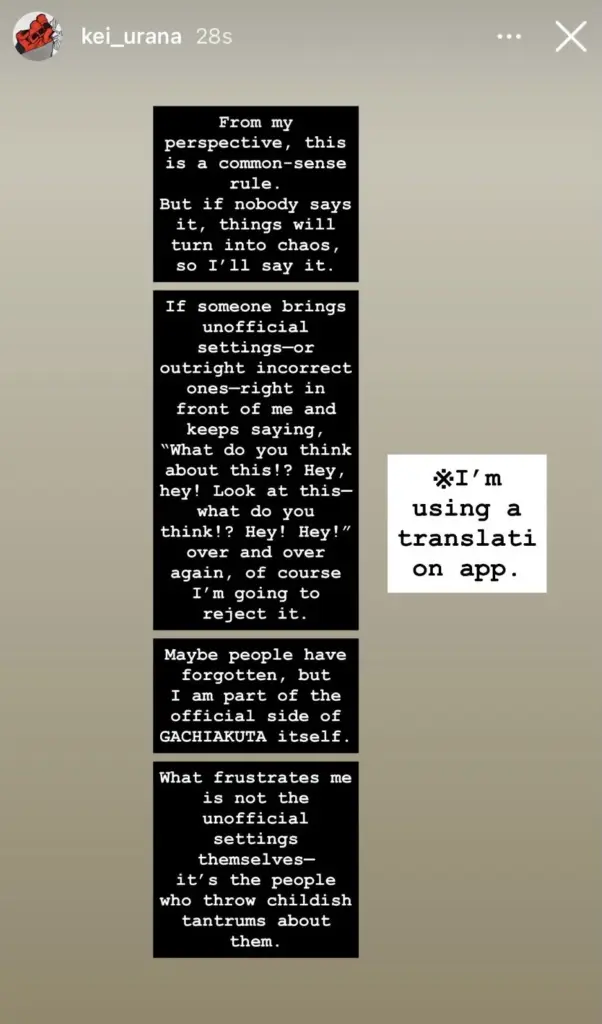
“From my perspective, this is a common-sense rule. But if nobody says it, things will turn into chaos, so I’ll say it,” Urana wrote.
She continued by describing situations where people repeatedly present unofficial ideas and demand her opinion on them.
“If someone brings unofficial settings—or outright incorrect ones—right in front of me and keeps saying, ‘What do you think about this!? Hey, hey! Look at this—what do you think!? Hey! Hey!’ over and over again, of course I’m going to reject it.”
Urana also emphasized that she is part of the official side responsible for the series.
“Maybe people have forgotten, but I am part of the official side of Gachiakuta itself.”
According to the mangaka, the issue is not the existence of fan interpretations, but the reactions that sometimes follow.
“What frustrates me is not the unofficial settings themselves—it’s the people who throw childish tantrums about them.”
The comments quickly spread across social media, where fans began discussing the creator’s statement and the broader issue of fandom interpretations versus official canon.
In recent years, debates within parts of the international fandom have occasionally emerged over character interpretations and story details in Gachiakuta. Some fans have promoted alternate readings of characters and settings that differ from the information presented in the manga itself. Urana’s message appears to address situations where those interpretations are repeatedly brought to the creator for validation.
While fan theories and headcanons are common in many anime and manga communities, Urana’s statement makes it clear that she intends to maintain a clear boundary between unofficial fan interpretations and the official canon of Gachiakuta.
The series has continued to grow in popularity worldwide, and discussions surrounding its characters and story have become increasingly active across online communities.
Urana’s message ultimately serves as a reminder that while fan creativity is a natural part of fandom culture, the final authority over a series’ canon still lies with its creator.
Urana’s statement also follows earlier debates within the international fandom after she clarified that a character some fans believed to be transgender was not written that way in the story, which sparked backlash from parts of the online community.
Source: Instagram