A manga scene from more than two decades ago has unexpectedly brought its creator into a social media controversy. Ryo Koshino, the creator of the medical manga Ns’ Aoi, has apologised after a scene featuring an apparently incompetent ENT doctor attracted criticism from doctors and other medical professionals. The controversy began after Koshino shared an old scene from the manga on X, prompting criticism over how it portrayed the doctor while highlighting the abilities of its nurse protagonist, Misora Aoi.
The scene features a patient suffering from acute alcohol intoxication and an on-duty doctor whose speciality is otolaryngology, commonly known as ear, nose and throat (ENT). As the doctor struggles to respond, Aoi takes the initiative and demonstrates her nursing abilities. However, readers criticised the portrayal for making the doctor appear unnecessarily incompetent, particularly because the story connects his inability to handle the situation to his ENT speciality.
The discussion quickly moved beyond the fictional character, with medical professionals questioning why the manga appeared to use an entire medical speciality as a way to make its protagonist look more capable.
Following the backlash, Koshino deleted the post and issued an apology on November 23, acknowledging that his wording lacked consideration for doctors, other medical professionals, and readers.
Why Did a 22-Year-Old Ns’ Aoi Manga Scene Suddenly Become Controversial?
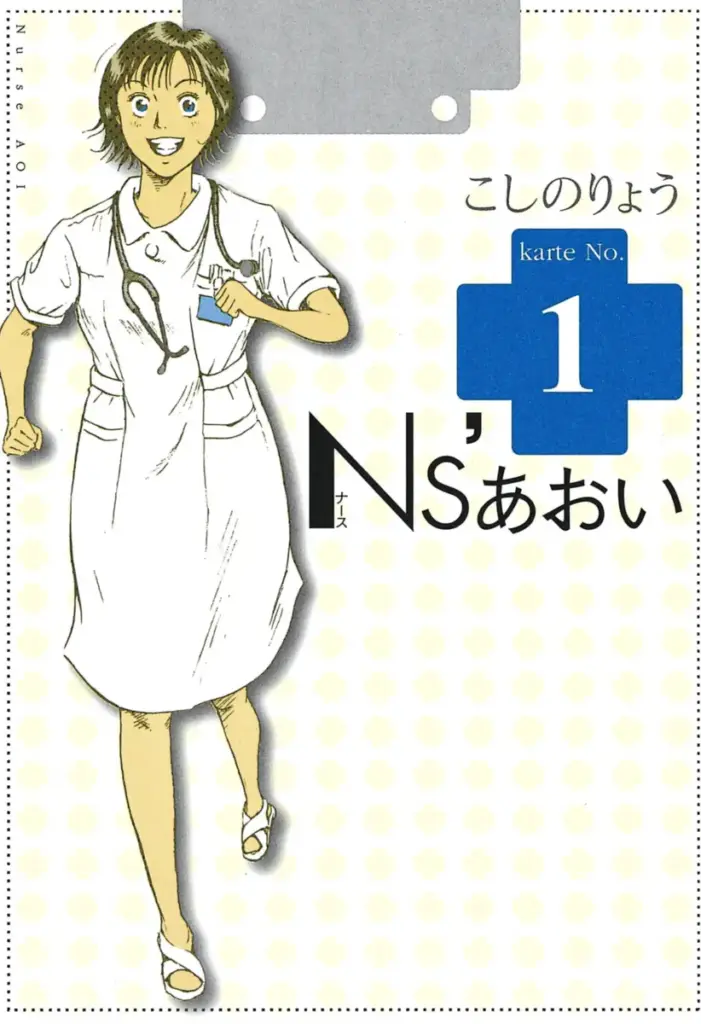
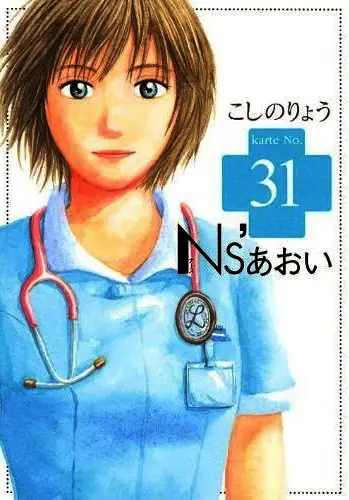
The controversy centres on an old scene from Ns’ Aoi, a medical drama manga that Koshino originally serialised in Kodansha’s Morning magazine from 2004 to 2010. The completed series spans 32 volumes and follows Misora Aoi, a nurse who tries to uphold her ideals while working in a hospital full of medical and organisational problems.
The scene that triggered the latest discussion involves an emergency case involving acute alcohol intoxication.
The story presents an on-duty ENT doctor who appears overwhelmed by the situation. Rather than portraying him as a competent physician dealing with a difficult emergency, the scene makes him look incapable of responding effectively. Aoi, meanwhile, takes the initiative and demonstrates the competence that the story wants readers to associate with its protagonist.
The scene’s presentation became an even bigger part of the controversy because of the message Koshino attached when he shared it.
His post used the phrase “Can money make it disappear? Don’t underestimate nurses!” This framing encouraged readers to view the scene as a moment in which Aoi stood up for nurses and challenged an incompetent doctor.
However, the response from medical professionals went in a different direction. They questioned why the story needed to portray an ENT doctor as so incapable to establish the nurse’s competence.
The fact that the original manga dates back to 2004 became another part of the discussion. Koshino had already acknowledged in an earlier exchange that he might not be able to draw the same material in today’s environment.
Doctors Question Why an ENT Specialist Couldn’t Handle Acute Alcohol Intoxication
One of the biggest criticisms concerned the doctor’s medical speciality.
Some readers argued that the scene treated ENT as though doctors in that field couldn’t handle an emergency involving acute alcohol intoxication. They pointed out that becoming an ENT specialist doesn’t mean a doctor lacks the fundamental medical knowledge needed to assess and respond to an emergency outside their usual speciality.
Japanese physician and author Miki Chinen also joined the discussion.
Chinen argued that ENT doctors have the medical training to manage patients beyond routine ear, nose, and throat complaints. He also pointed out that vomiting and the resulting risk of airway obstruction can make acute alcohol intoxication particularly relevant to an ENT specialist’s expertise.
His criticism raised a specific question about the scene: why did the manga portray the doctor’s speciality as a reason for his inability to respond?
Other medical professionals expressed similar frustration. One doctor responded with the blunt remark, “Don’t look down on ENT doctors.”
Another criticism focused on the difference between depicting one incompetent doctor and suggesting that his medical speciality explains his incompetence. One medical professional argued that these are two different portrayals: a character can be bad at his job, but presenting him as incapable because he is an ENT doctor creates a different impression.
This distinction became central to the backlash.
The criticism wasn’t simply that a medical manga included a doctor who made mistakes. Readers questioned whether the story unfairly used the ENT speciality as a shortcut to make another character appear more knowledgeable.
Critics Also Questioned Aoi’s Actions in the Emergency Scene
The backlash didn’t focus exclusively on the doctor.
Some commenters also questioned how Aoi handled the emergency, particularly her decision to accept and respond to a patient without properly notifying the relevant medical staff or following the hospital’s established chain of responsibility.
They argued that the scene placed the nurse in a position where she could take control of a medical situation while treating the on-duty doctor as an obstacle.
Others questioned whether the story’s presentation made Aoi’s actions look unquestionably correct while giving the doctor little room to demonstrate his medical judgement.
One reader criticised the writing for making almost everyone around the protagonist appear incompetent just to highlight her abilities.
Another commenter questioned the hospital’s overall setup, arguing that the scene portrayed both the nurse’s actions and the doctor’s response in ways that would raise serious concerns in a real medical workplace.
These criticisms added another dimension to the discussion. Beyond the portrayal of ENT doctors, readers also debated how far a fictional nurse should go when handling an emergency and how medical dramas should represent professional responsibilities.
Not Everyone Agreed With the Backlash Against Ns’ Aoi
Despite the criticism, some readers defended Koshino’s storytelling and argued that people shouldn’t treat every fictional character as a representation of an entire profession.
One side of the discussion maintained that the doctor was simply an incompetent individual character. Just because the character happened to specialise in ENT didn’t mean the manga intended to insult every ENT doctor.
Others argued that fictional stories need flawed characters, workplace conflicts, and unreasonable situations to create drama. They questioned whether creators could still tell stories about dysfunctional hospitals if every portrayal of a medical professional had to satisfy real-world expectations.
The debate also brought up an important difference between an old manga panel and a contemporary social media post.
A scene that originally appeared within a larger story can carry a different impression when someone shares it separately. Readers who see only a few panels may not have the same narrative context as someone who has followed the complete manga.
Some commenters argued that Koshino could have shared the old scene while making it clearer that it represented fictional characters and an exaggerated situation, rather than presenting it as a straightforward example of nurses challenging incompetent doctors.
Others disagreed with that argument and maintained that fiction should still receive criticism when it portrays real professions in a misleading or disrespectful way.
The disagreement illustrates why this incident became bigger than a simple argument about an old manga panel. It raised questions about medical accuracy, creative freedom, professional representation, and how creators should revisit their older work on social media.
Ryo Koshino Apologizes and Deletes the Controversial Post
As criticism continued, Koshino addressed the situation through a new X post on November 23.
The manga creator apologised to those who felt uncomfortable or inconvenienced by his post, acknowledging that his wording lacked consideration for people working in medicine.
He specifically mentioned doctors, medical professionals, and readers, saying he deeply regretted causing them discomfort.
Koshino also acknowledged that he had failed to consider how his message would affect others. He confirmed that he had deleted the original post and promised to exercise greater care in the future.
In his apology, he wrote:
“I deeply regret that my inconsiderate expressions caused great discomfort to the doctors, medical professionals, and readers who work hard every day.”
He also added that he reflected on his lack of awareness and promised to avoid similar incidents.
The response addressed the controversy surrounding his social media post. Koshino did not announce the cancellation or removal of the original Ns’ Aoi manga. His apology concerned the post he shared and the reaction it generated.
What Is Ns’ Aoi?
For readers unfamiliar with the series, Ns’ Aoi is a medical drama manga created by Ryo Koshino.
The story follows Misora Aoi, a nurse who transfers to Akane Municipal Hospital after an incident at her previous workplace. She encounters numerous problems within the hospital, from poor management and medical mistakes to conflicts between staff members.
Rather than following a doctor as its central character, the series focuses on the experiences of a nurse trying to provide better care for patients while challenging the problems she encounters at work.
Koshino serialised the manga in Kodansha’s Morning magazine from April 2004 to September 2010. The series concluded with 32 collected volumes and also received a live-action television drama adaptation in 2006 starring Satomi Ishihara.
The latest controversy has brought renewed attention to one of its older scenes, but the discussion has largely focused on the way Koshino presented that material to modern audiences.
A Debate About Medical Accuracy and Creative Freedom
The Ns’ Aoi controversy highlights a difficult balance for creators working with real-world professions as the foundation for fictional stories.
A medical drama needs conflict, flawed characters, and situations that challenge its protagonists. An incompetent doctor is not inherently an unacceptable character, just as a nurse who takes initiative isn’t automatically a problem.
However, the criticism in this case focused on something more specific: the apparent connection between the doctor’s incompetence and his ENT speciality, alongside a portrayal that made the nurse’s actions look unquestionably superior.
There is also a difference between criticising a fictional character and questioning an author’s decision to present an old scene as something worth celebrating today. Koshino’s post brought those two conversations together, prompting medical professionals and manga readers to revisit a scene that originally appeared more than 20 years ago.
The creator has now deleted the post and apologised, but the wider discussion about how manga portrays real professions continues.
Bookmark Otaku Mantra for more manga news, creator updates, and stories from the anime and manga industry.